Without Ever Really Relaxing
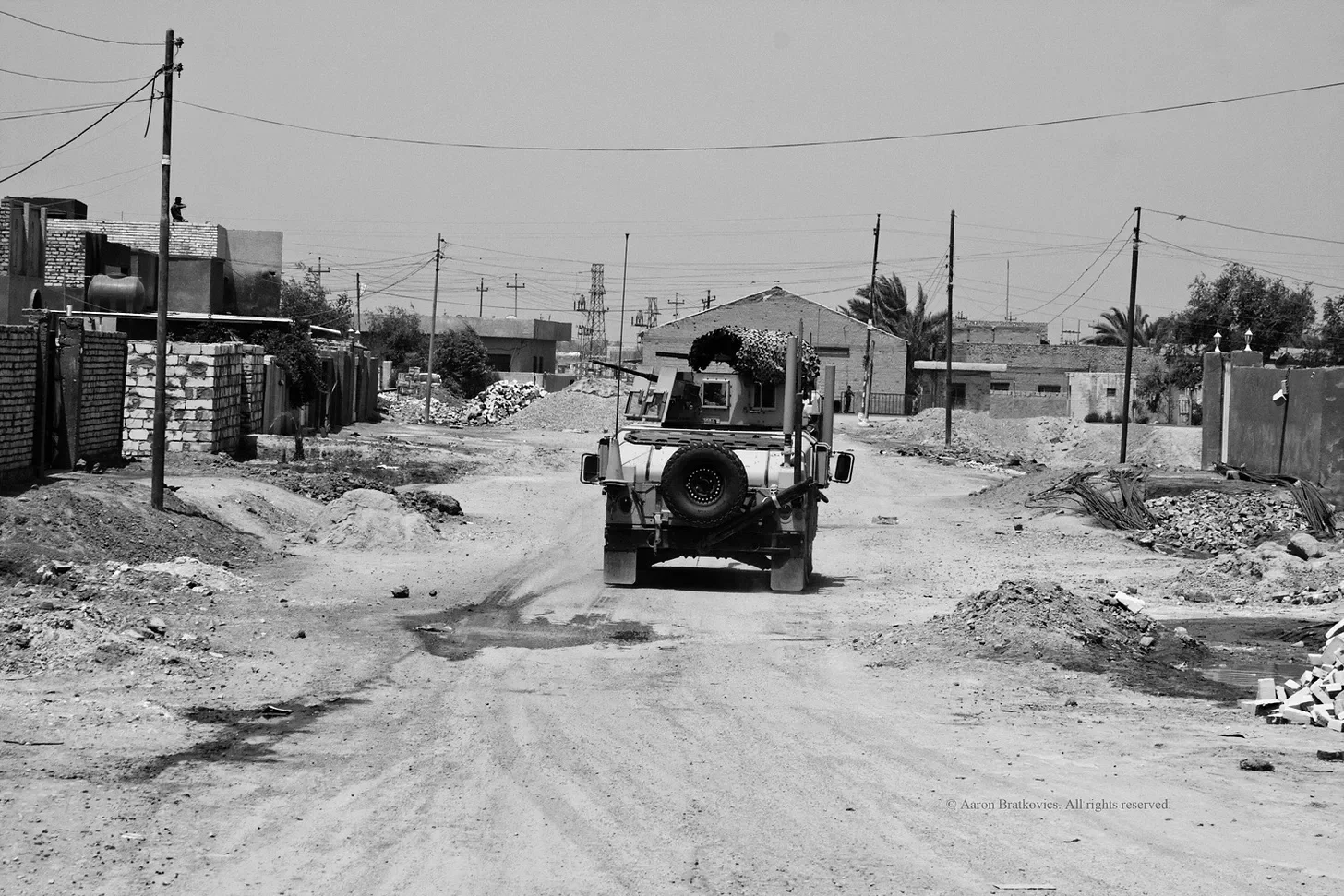
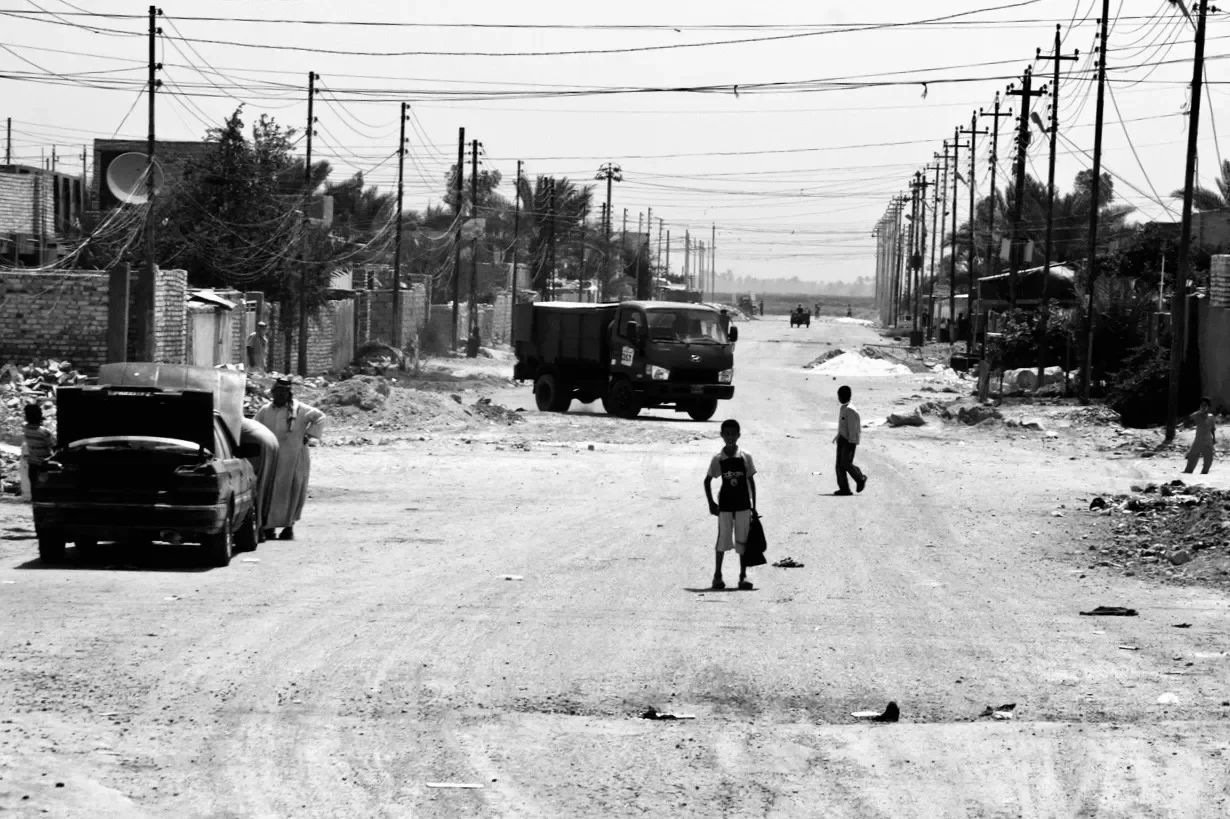
Patrol was mostly about moving without ever really relaxing. Walking, stopping, scanning, doing it all again. The gear stays tight, the rifle close, your body locked into a kind of readiness you don’t even notice until later.
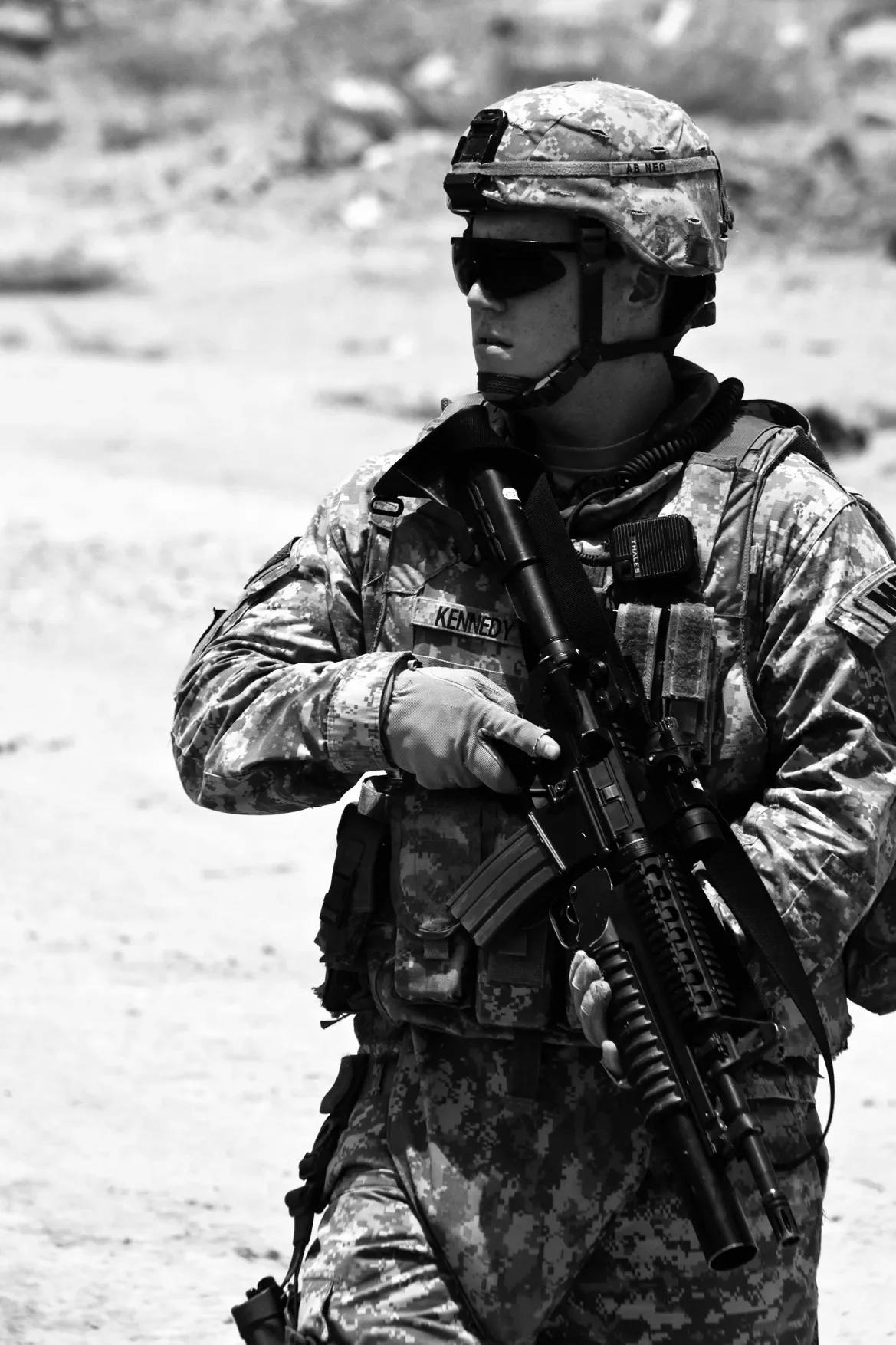
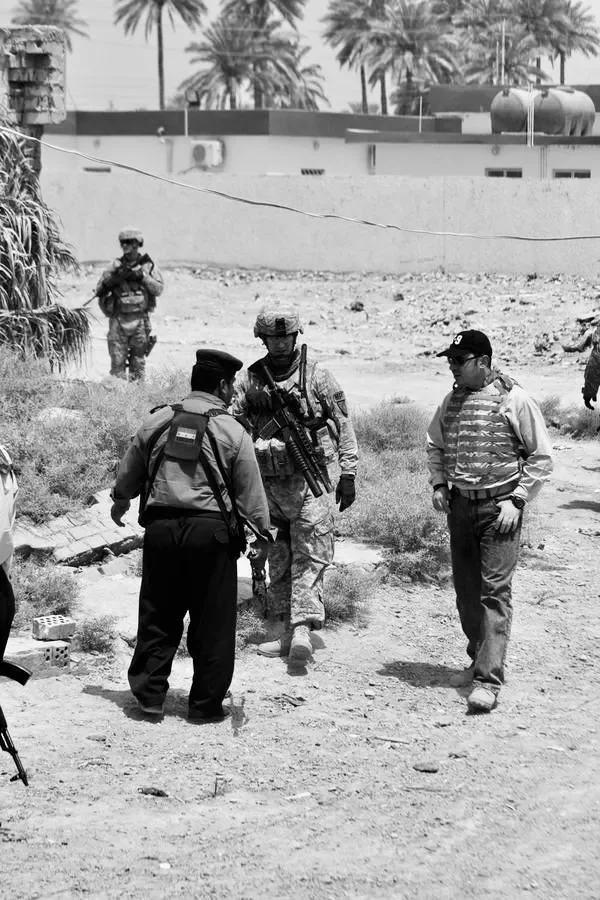
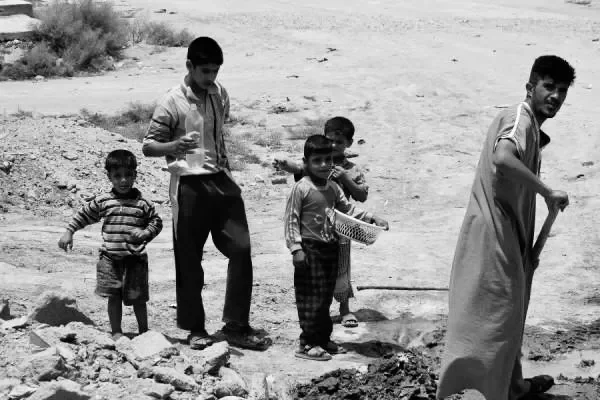
Around us, everyday life kept happening kids watching from the side, people passing through, routines continuing like we weren’t there at all. That’s what sticks with me now. Not the uniform or the weapons, but how close we were to people just living their lives, and how patrol meant being present without ever fully belonging to the place you were standing.
Downtime
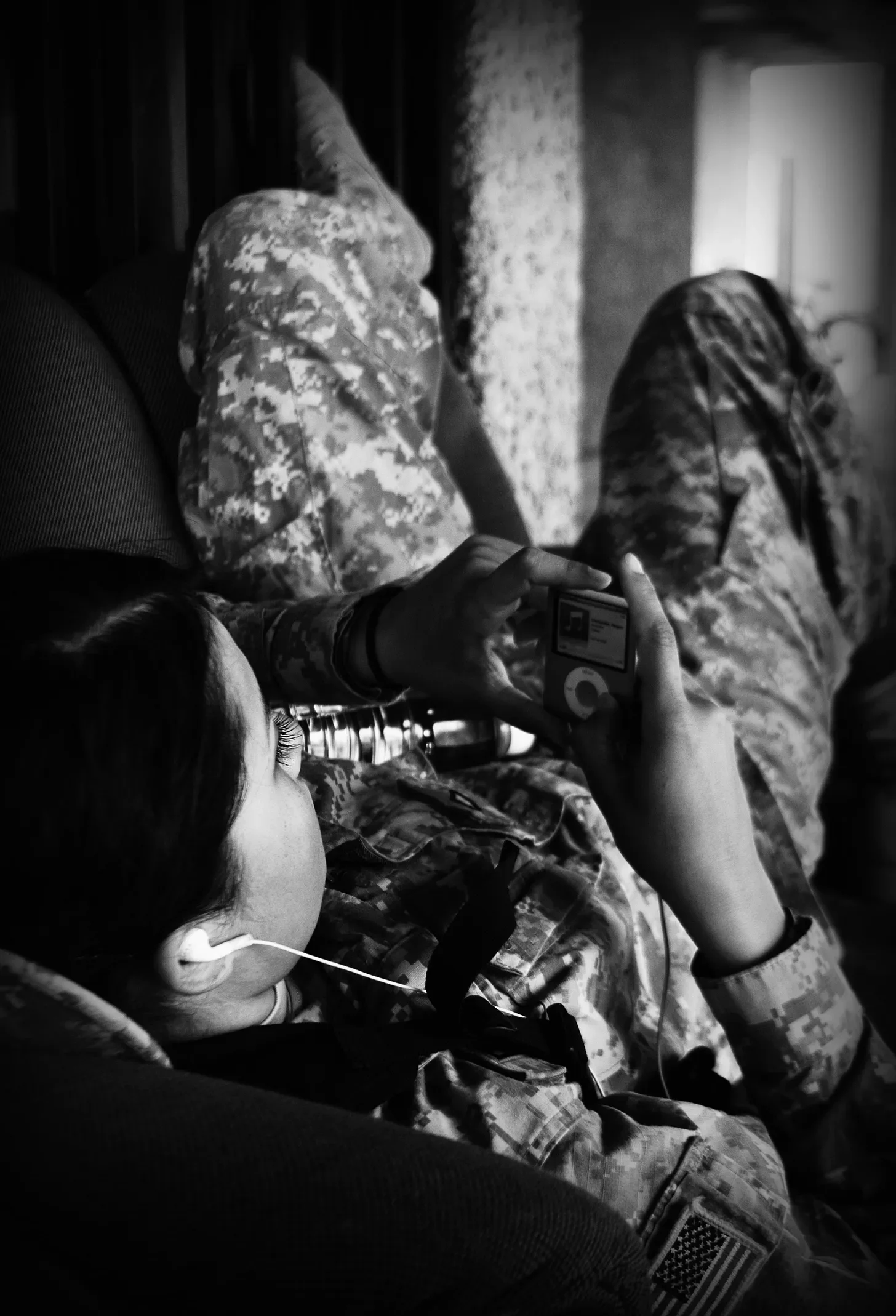
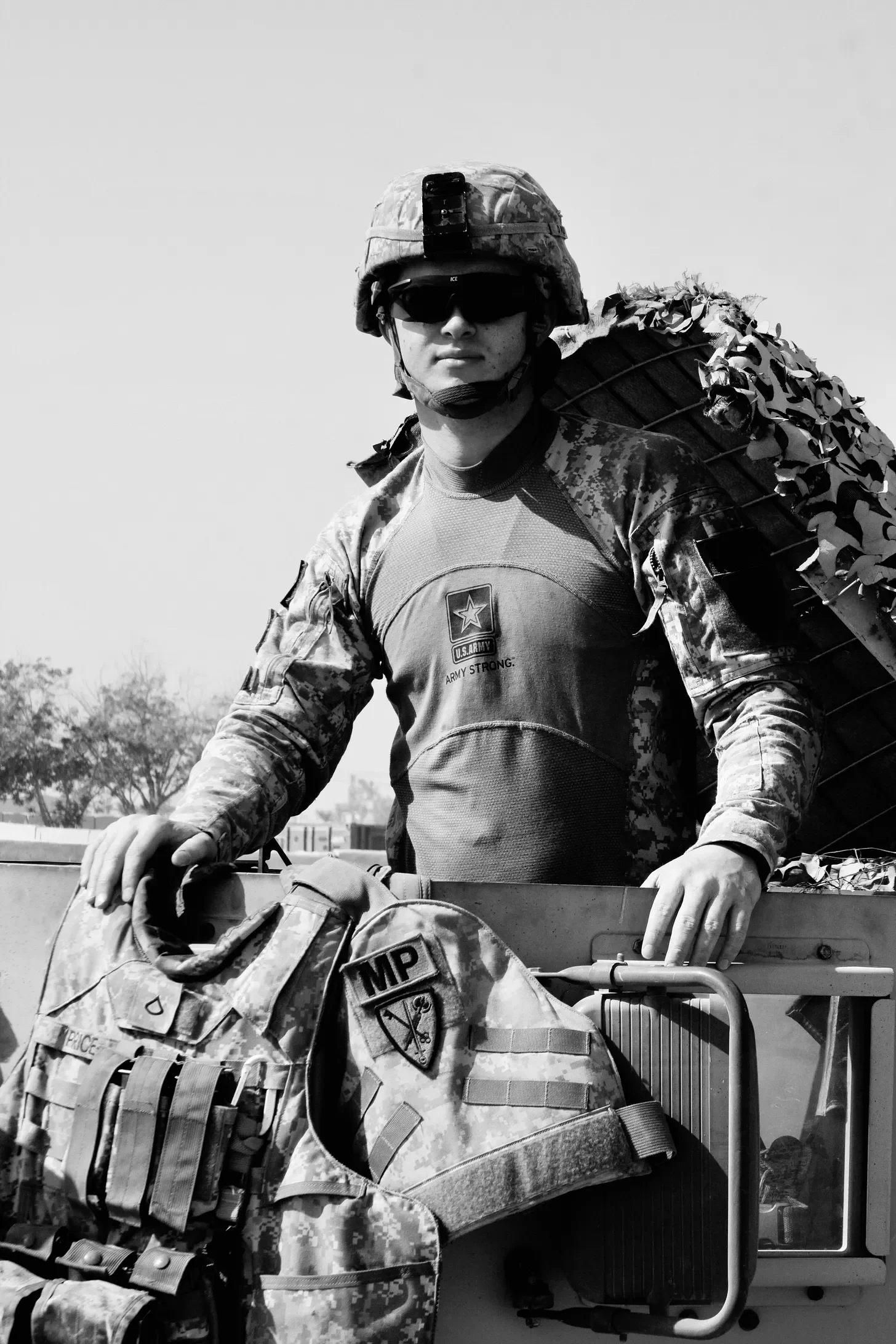
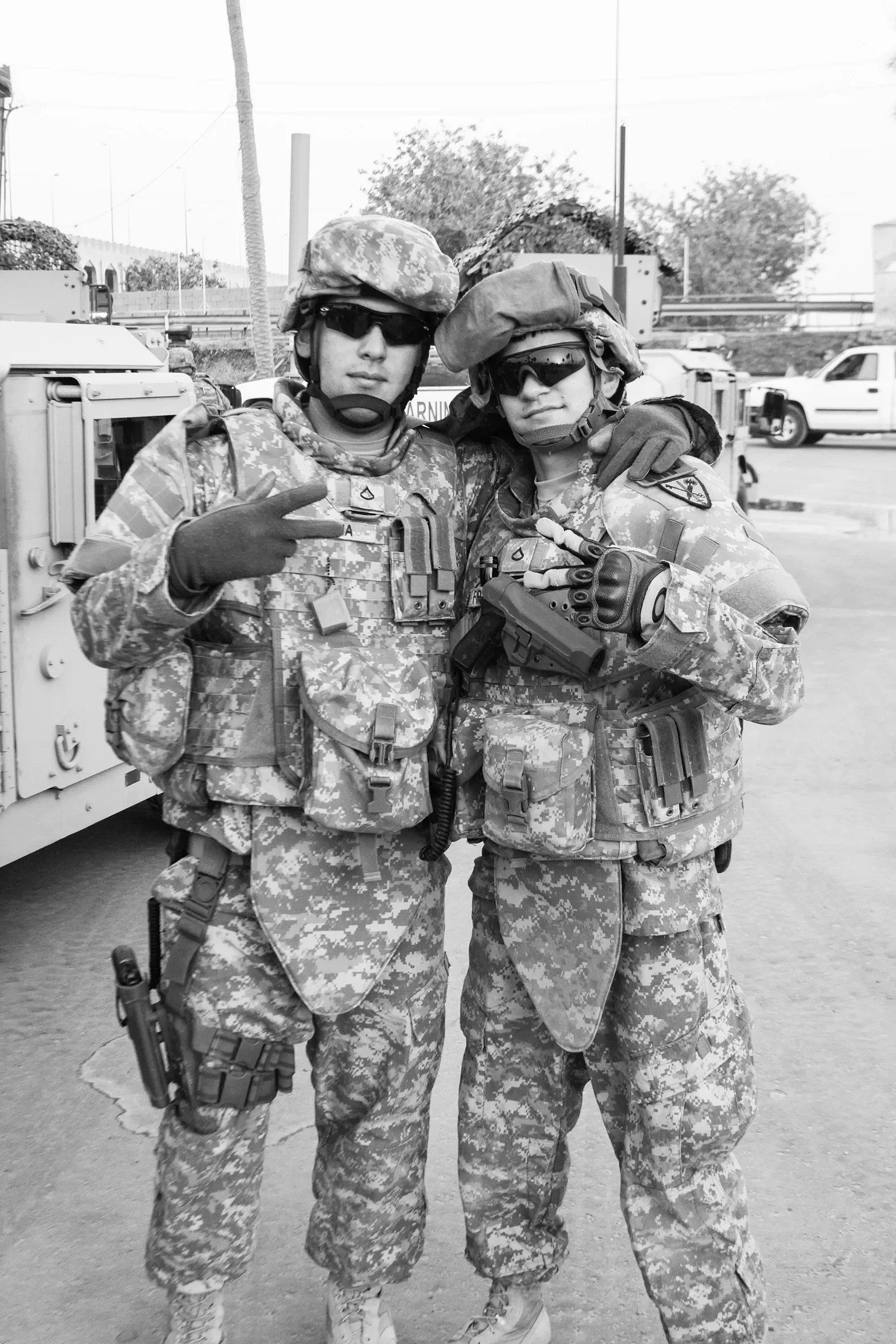
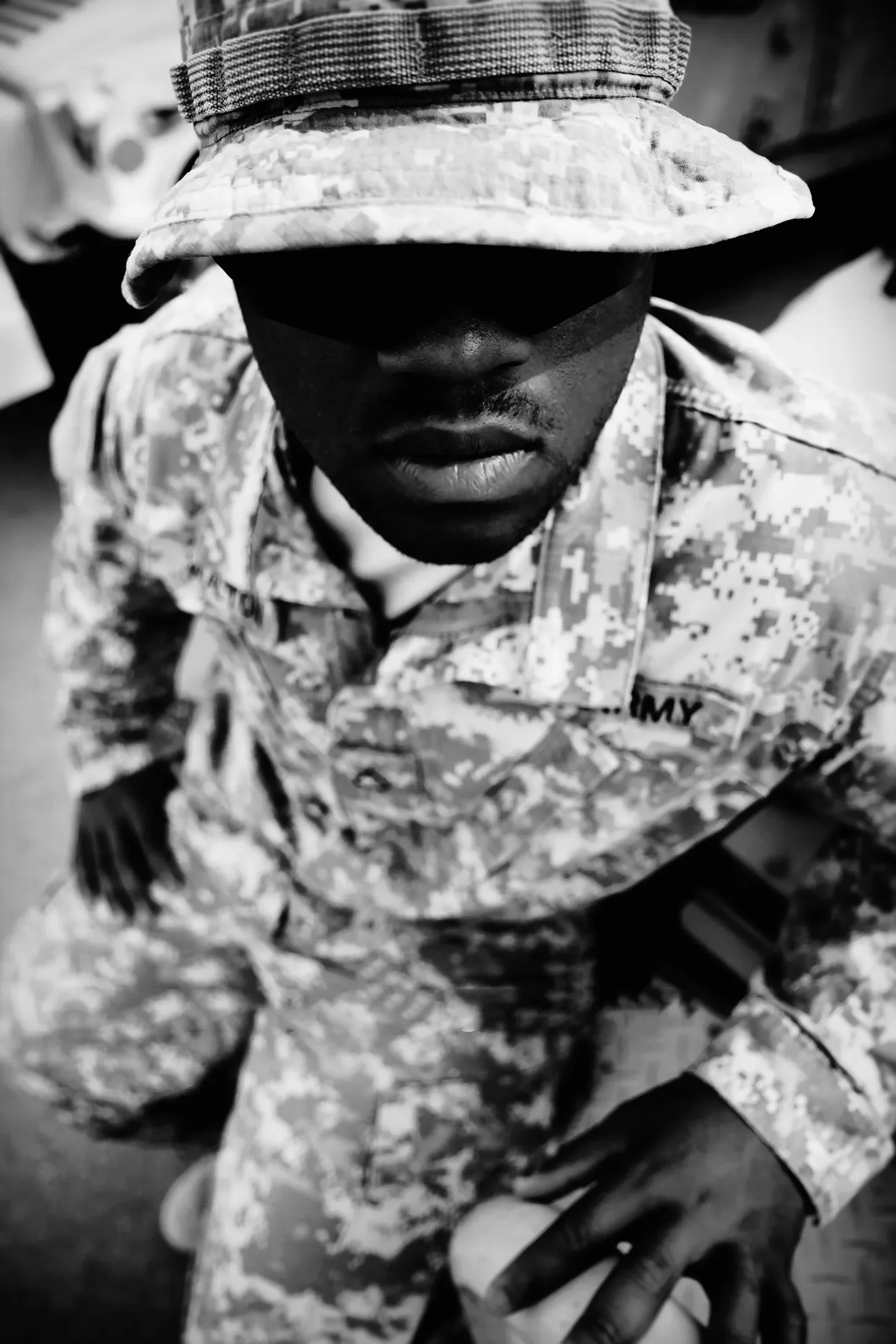
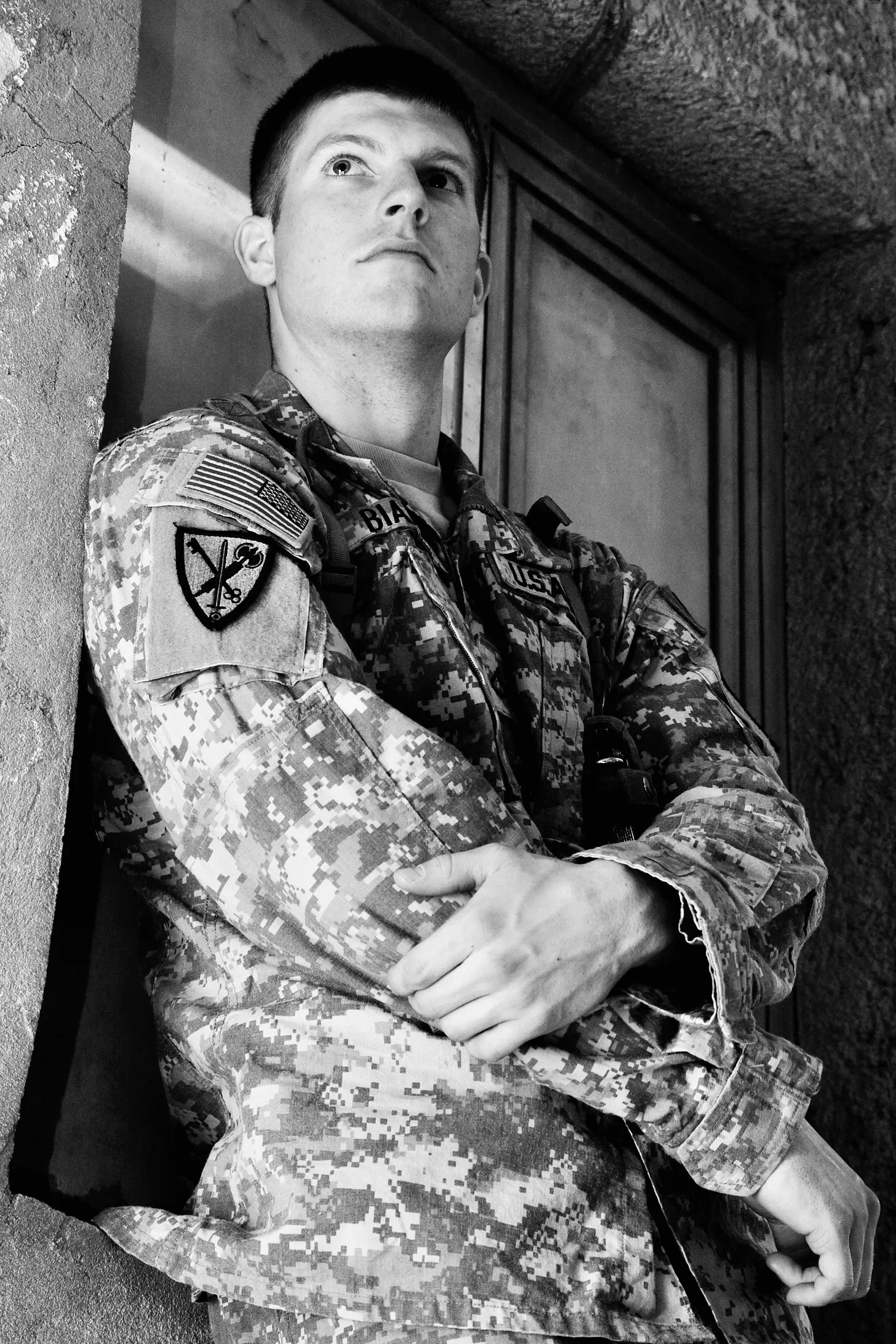
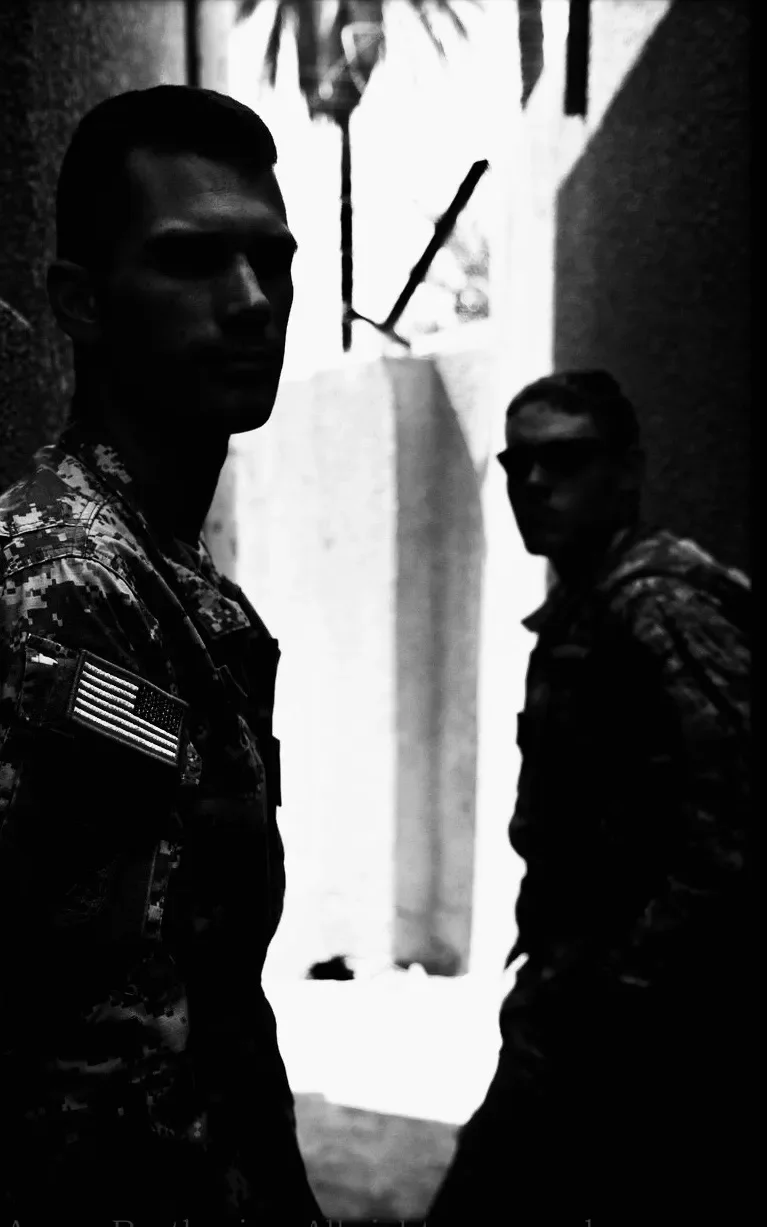
On my first tour, there were moments of downtime. I was already obsessed with photography, so I started asking my battle buddies if I could take their portraits. Most of the time it happened between loading trucks or yelling down from my gunner’s turret. I had my camera on me nearly all the time probably 90 percent of it.
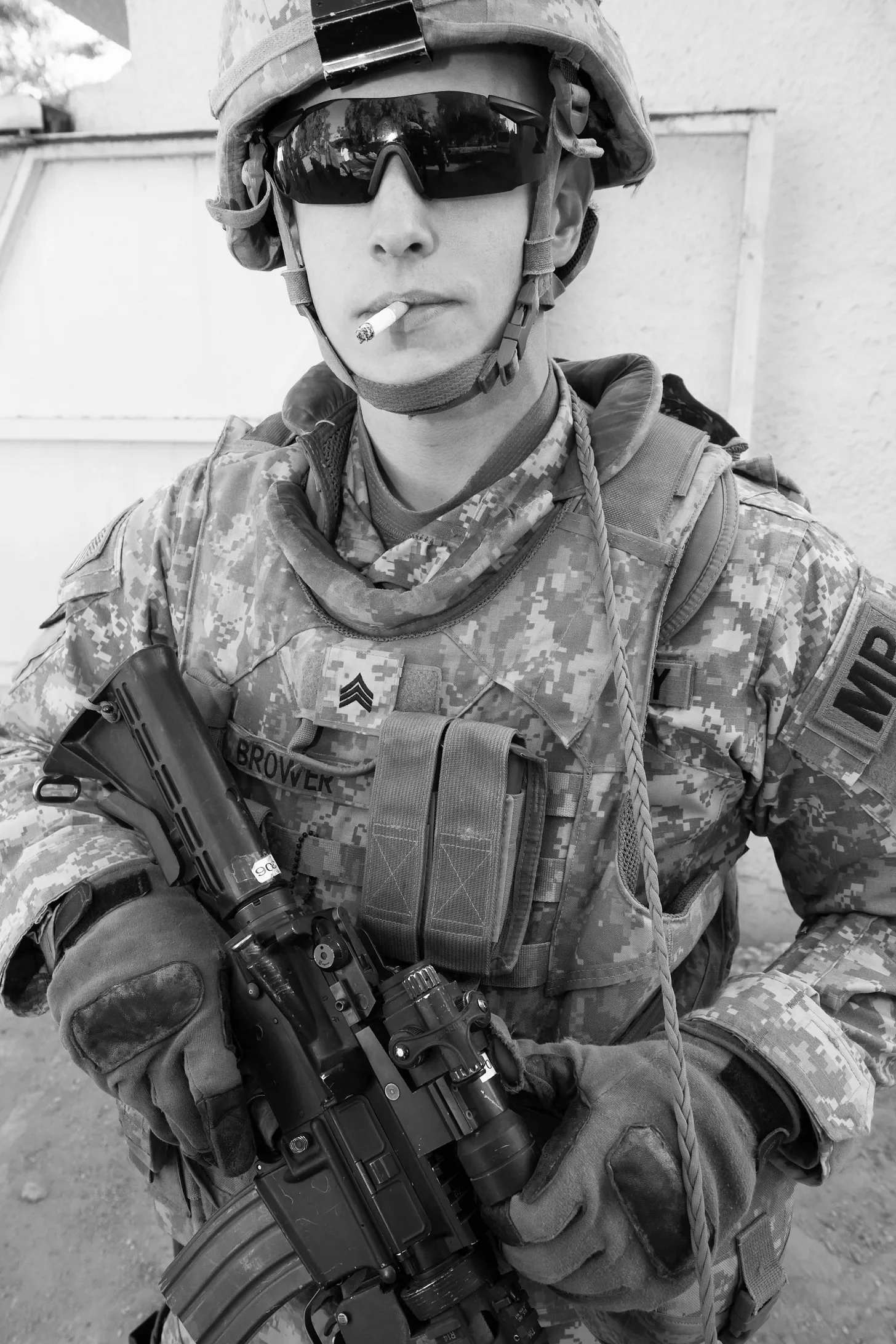
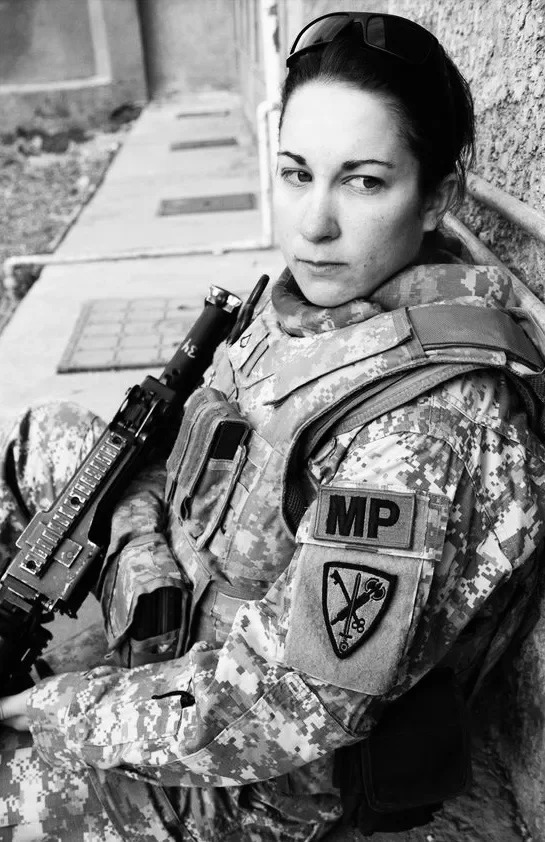
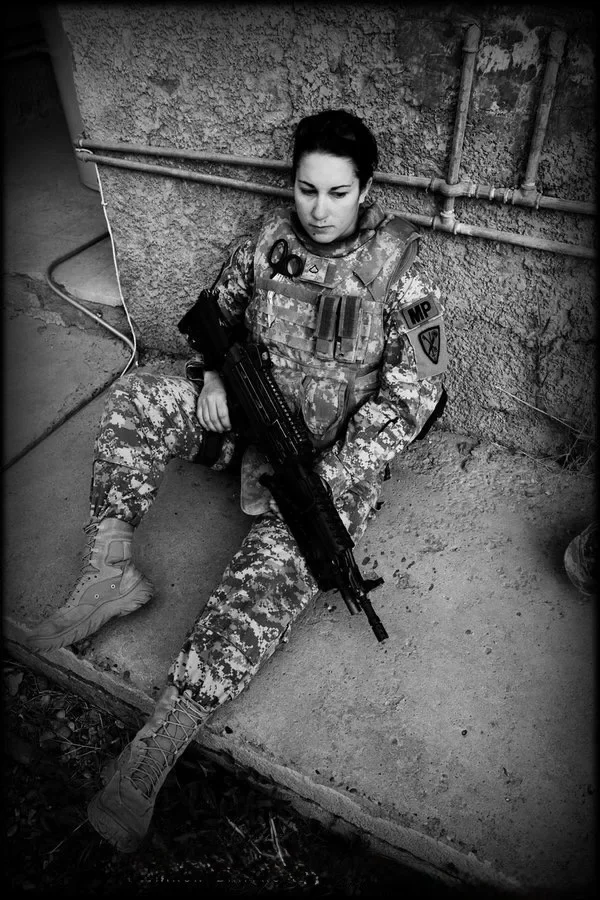
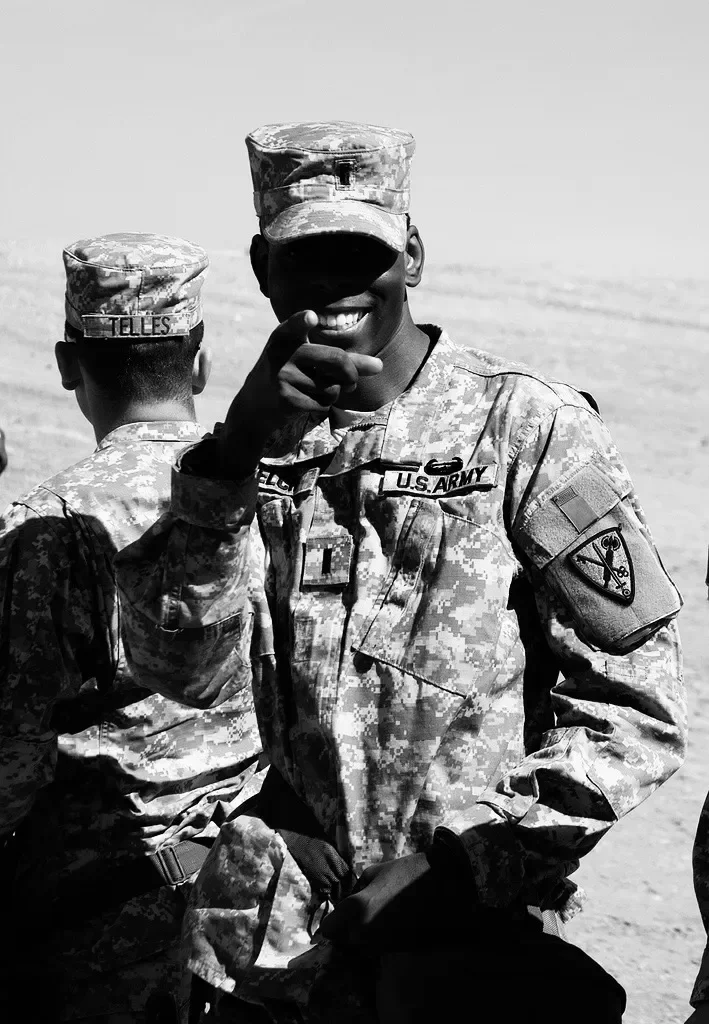
It wasn’t about making anything dramatic. I just wanted to remember faces, expressions, the way people carried themselves when no one was watching. Those quiet minutes felt important, even then. Looking back now, the photographs are less about the war itself and more about the people inside it caught in between movement, waiting, and whatever came next.
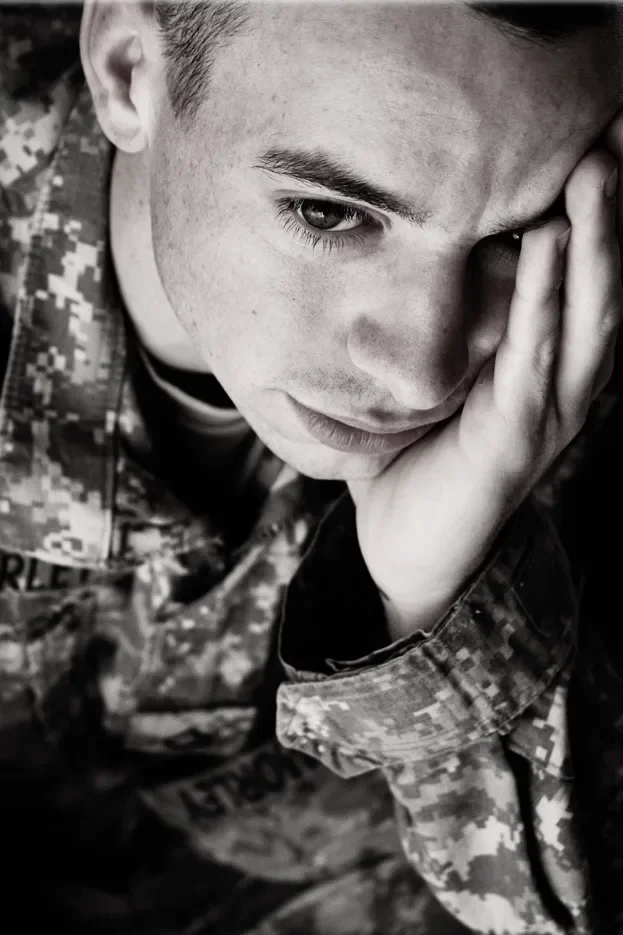
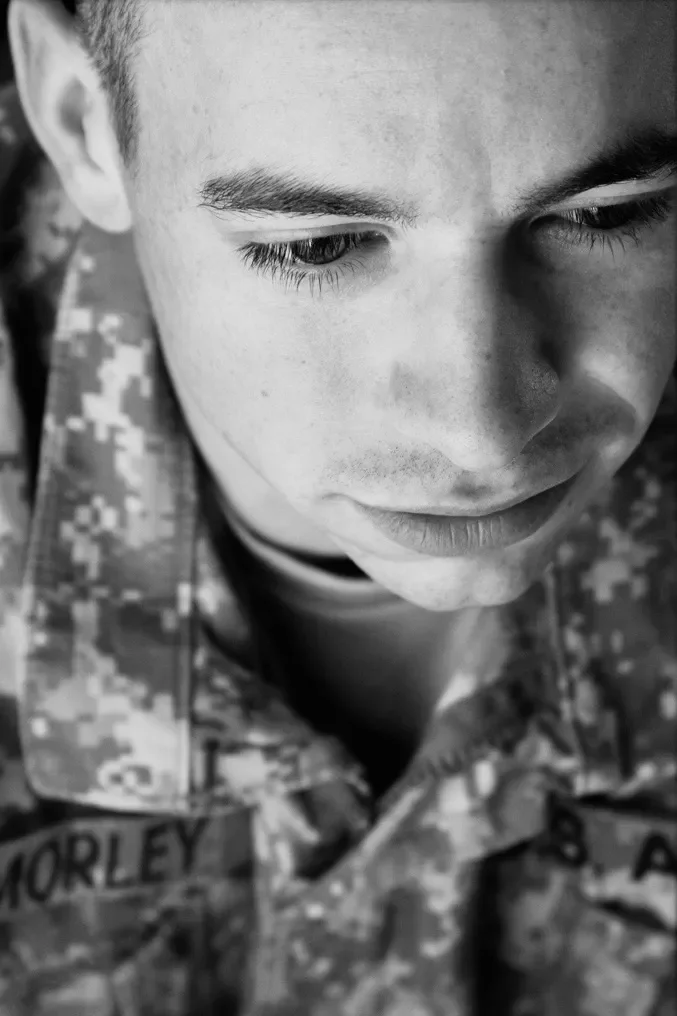
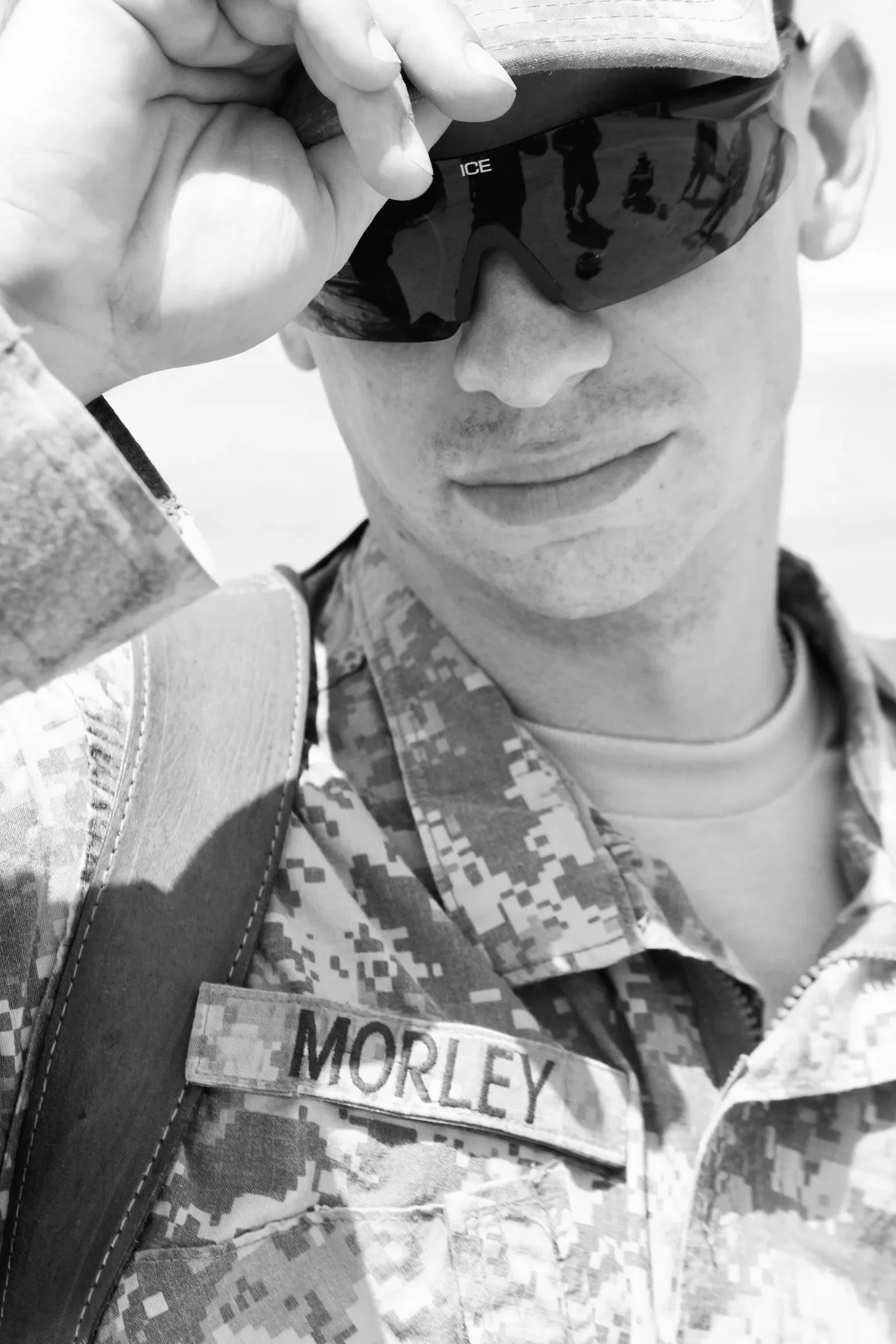
As I’m shooting, I’m learning about my equipment, about light, and about the person standing in front of me. Every interaction teaches me something different. Some people are guarded, some loosen up immediately, some never quite do. Each photo, or group of photos, starts to take on its own personality.
I didn’t think of it as a project at the time. It was just practice, curiosity, and a way to stay present. But looking back, those portraits became a quiet record of who we were in those in-between moments before moving out again, before the next task, before the next unknown.
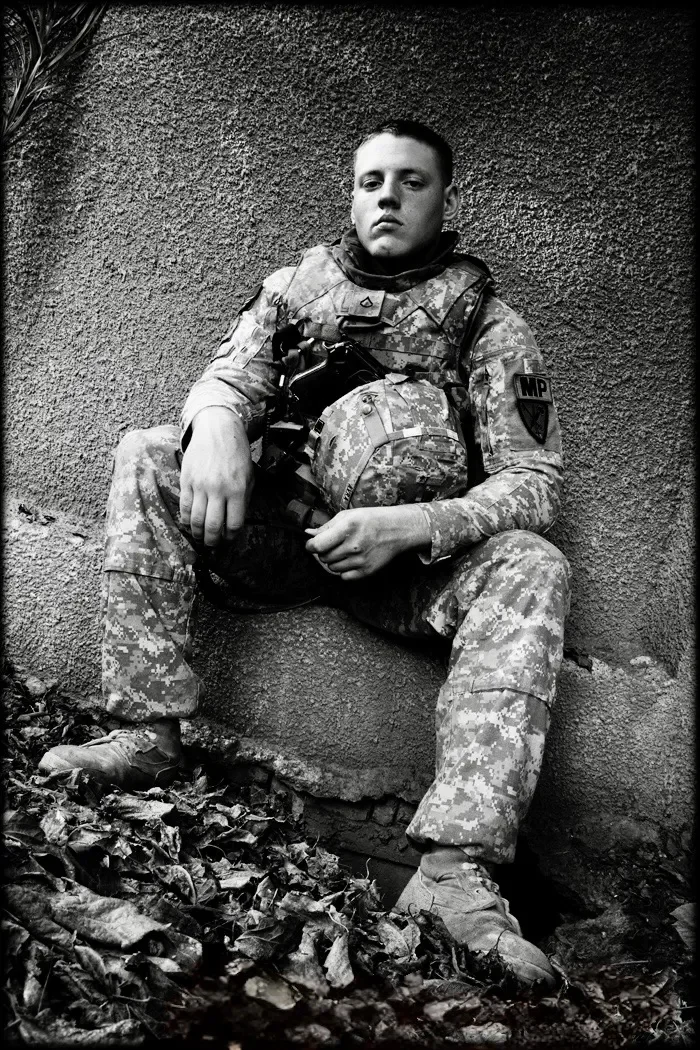
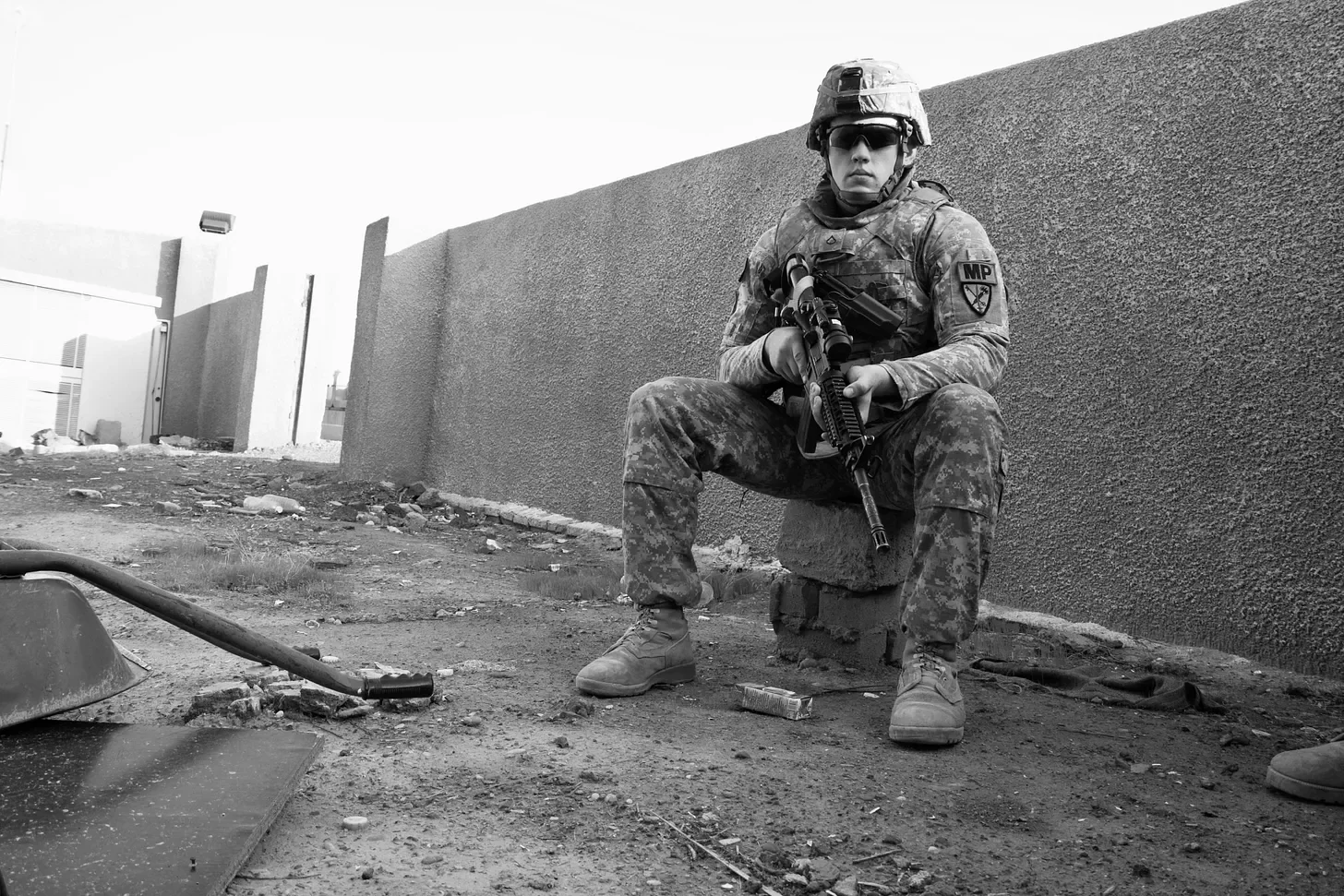
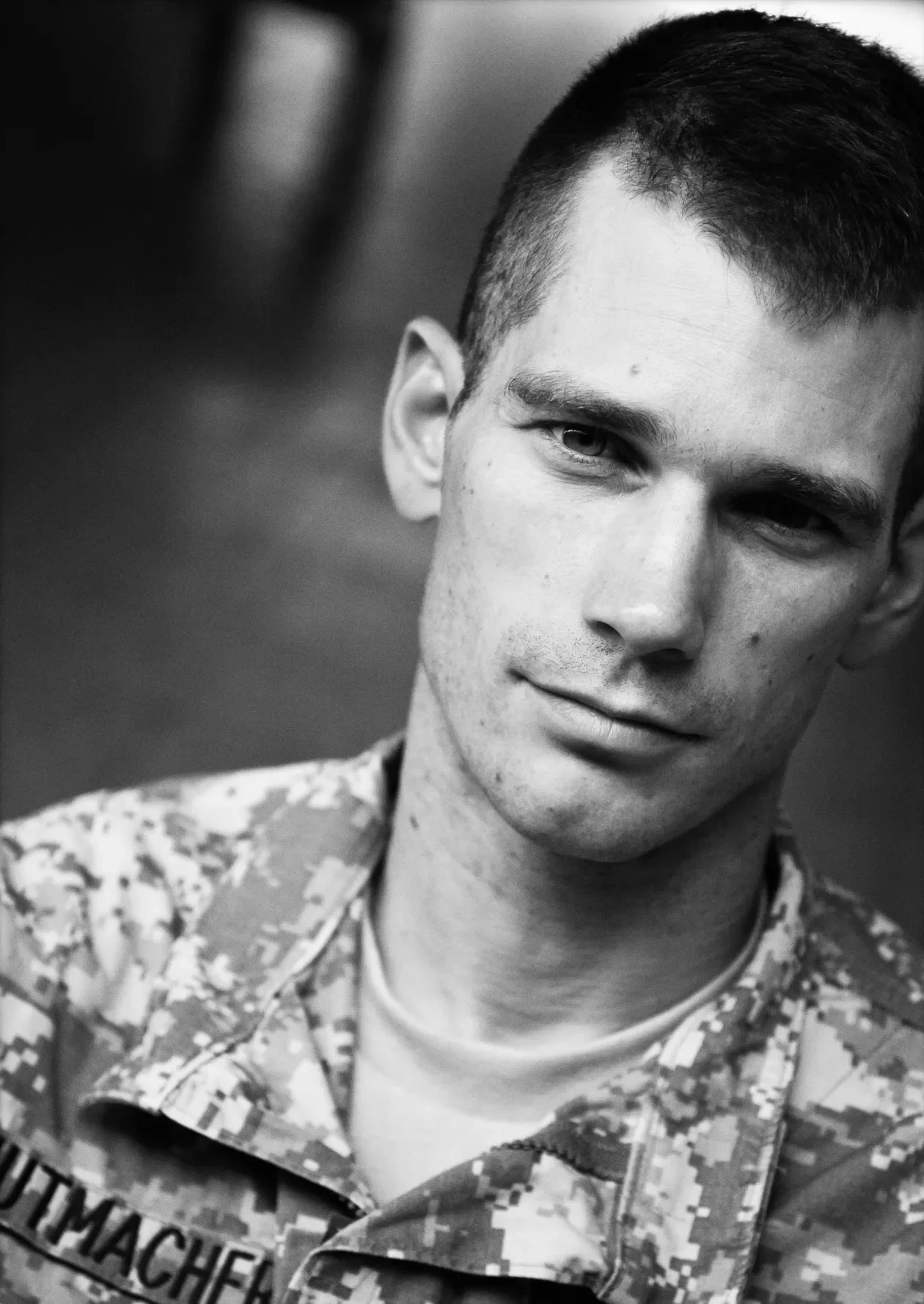
Moments
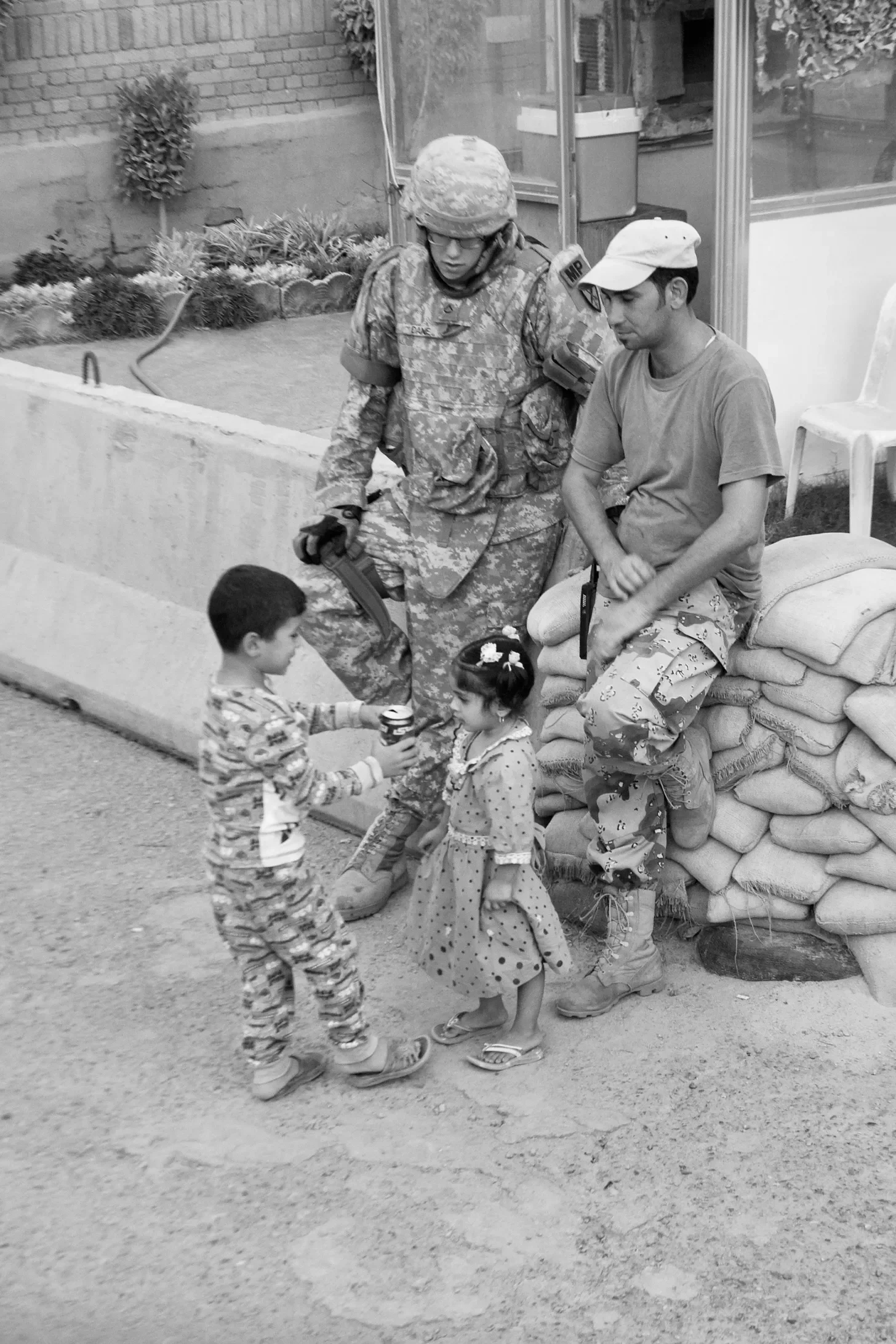
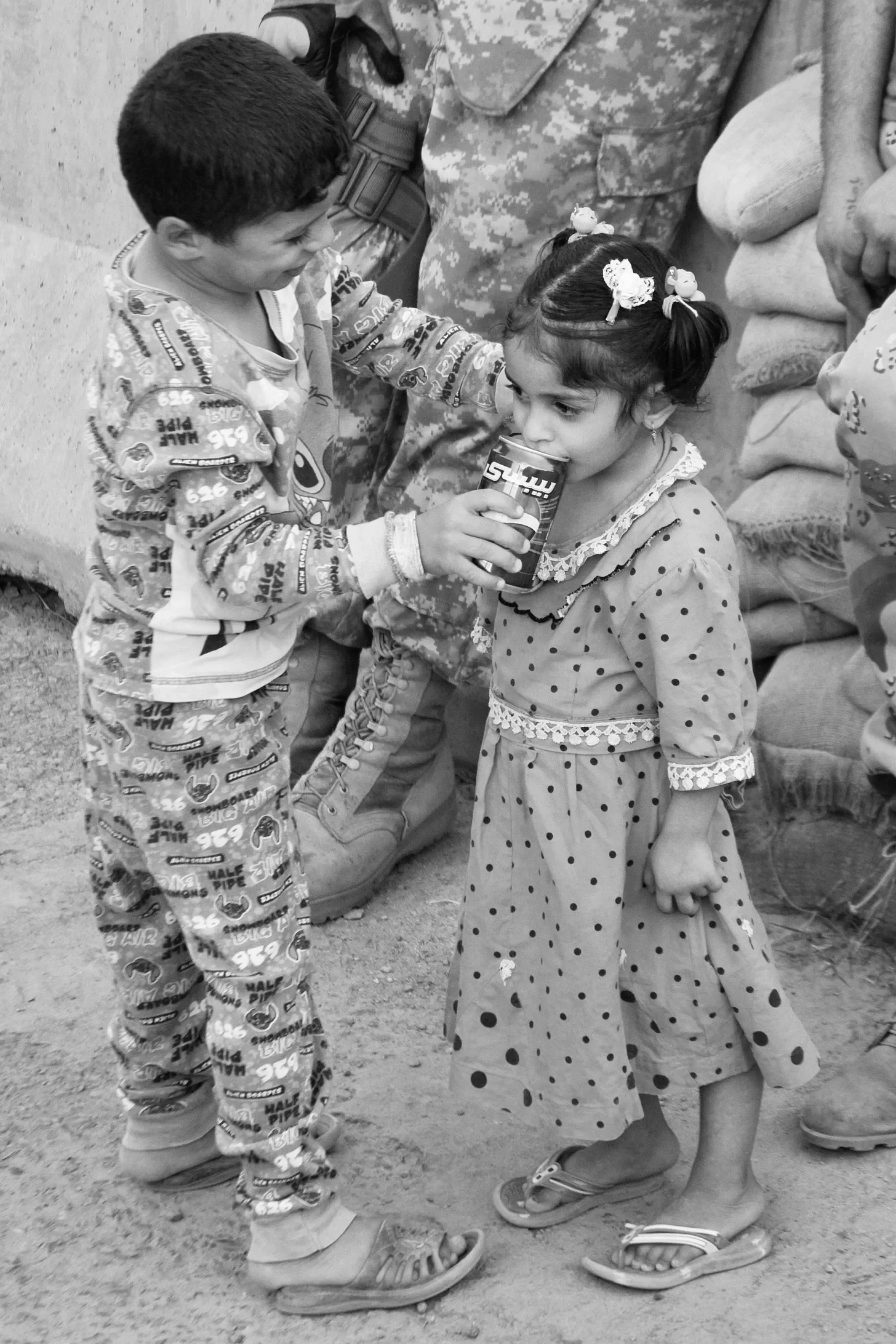
I took these photos in Iraq between 2009 and 2010. I was young, fresh out of high school, serving as a gunner. I carried a camera with me and photographed what was around me because it felt important, even when I didn’t have the words for why. These images aren’t about firefights or missions. They’re about being close.
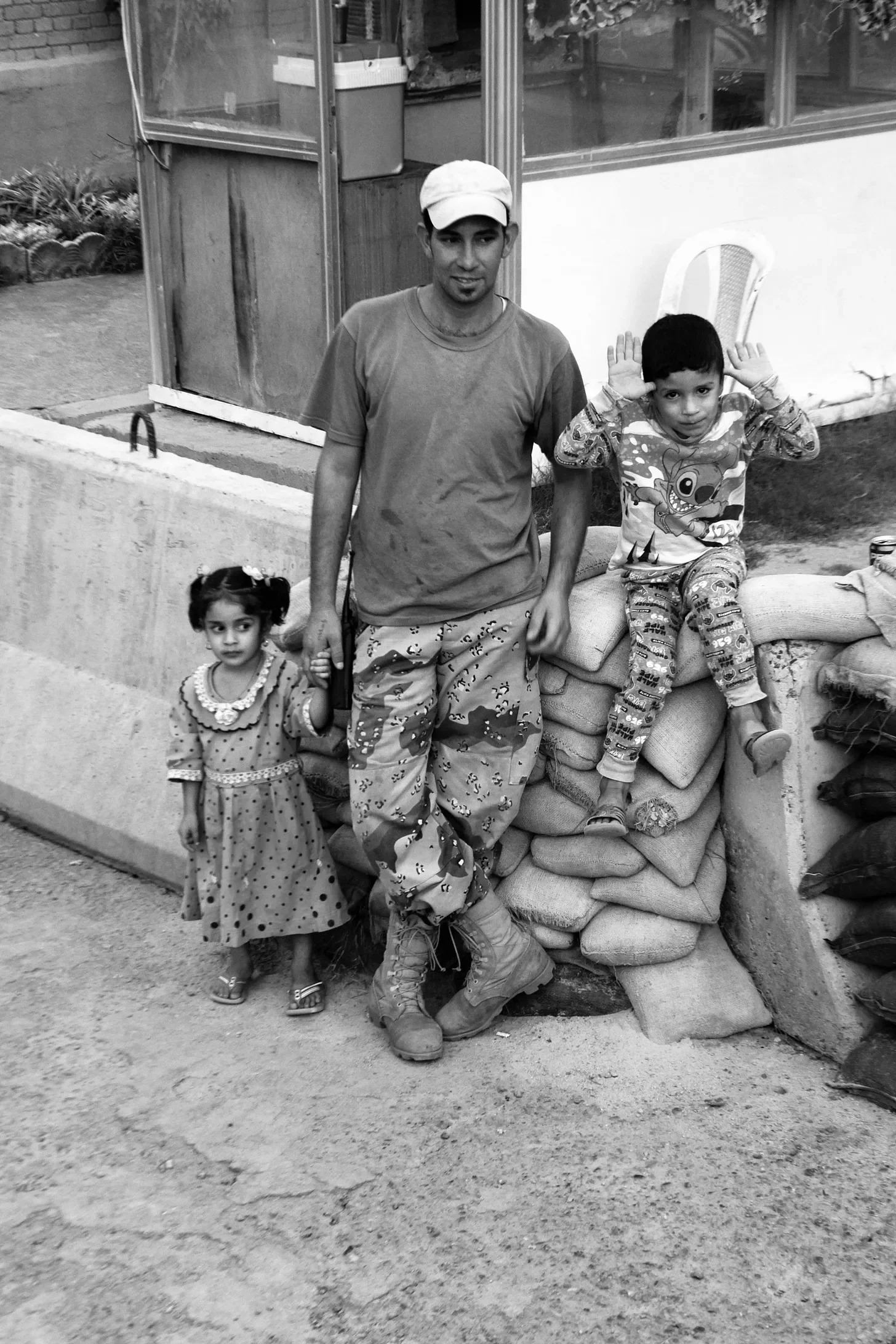
Kids moved freely through spaces built for protection and control sandbags, weapons, uniforms like it was just another part of the street. A boy shares a drink. A girl accepts it. No hesitation, no drama. Just something small and human happening in a place shaped by conflict.
At the time, moments like this felt normal. That’s what stays with me now. How quickly things that shouldn’t feel ordinary start to. How easily tenderness exists alongside violence without either one announcing itself.
I’m sharing them not to explain, justify, or resolve anything. Just to let the moments sit as they are. To acknowledge that life kept moving in places built to stop it. And to remember that even in the middle of conflict, people especially kids still find ways to be human.
Time Stretching Endlessly Forward
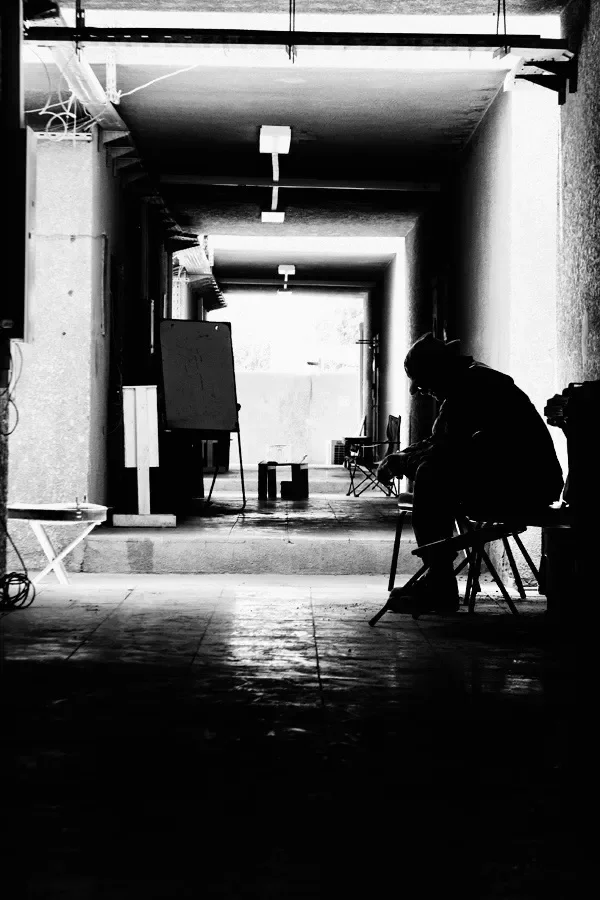
We were visiting a remote Iraqi prison to observe to understand how it functioned and to see if there was anything we could help improve. Another platoon sergeant asked to come along, partly because I had a camera and he thought it would be a good opportunity for me. After asking for permission and getting the green light from my leadership, I didn’t hesitate. I jumped at the chance. I wanted to document Americans and Iraqis working side by side small moments of cooperation inside a place most people would never see.
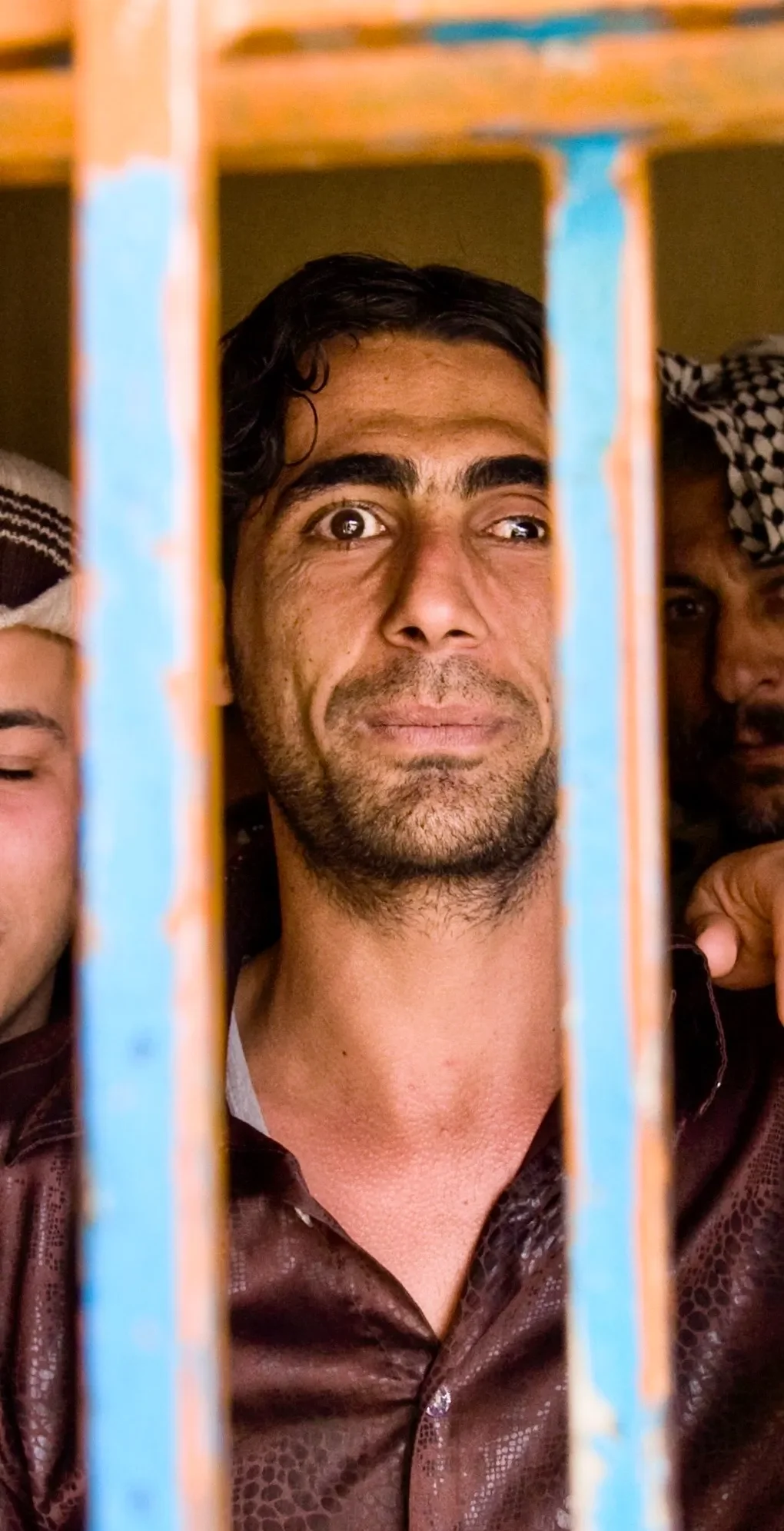
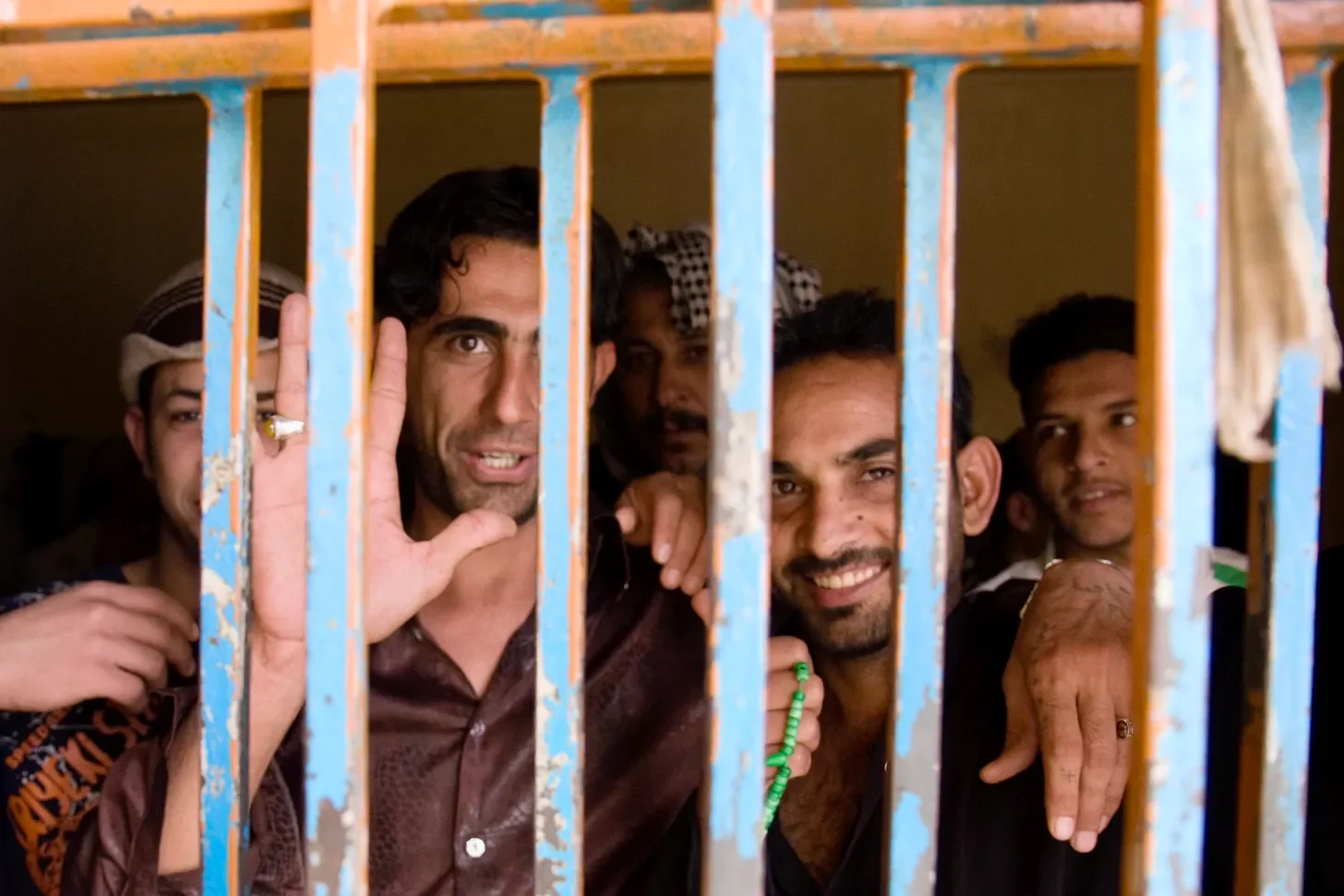
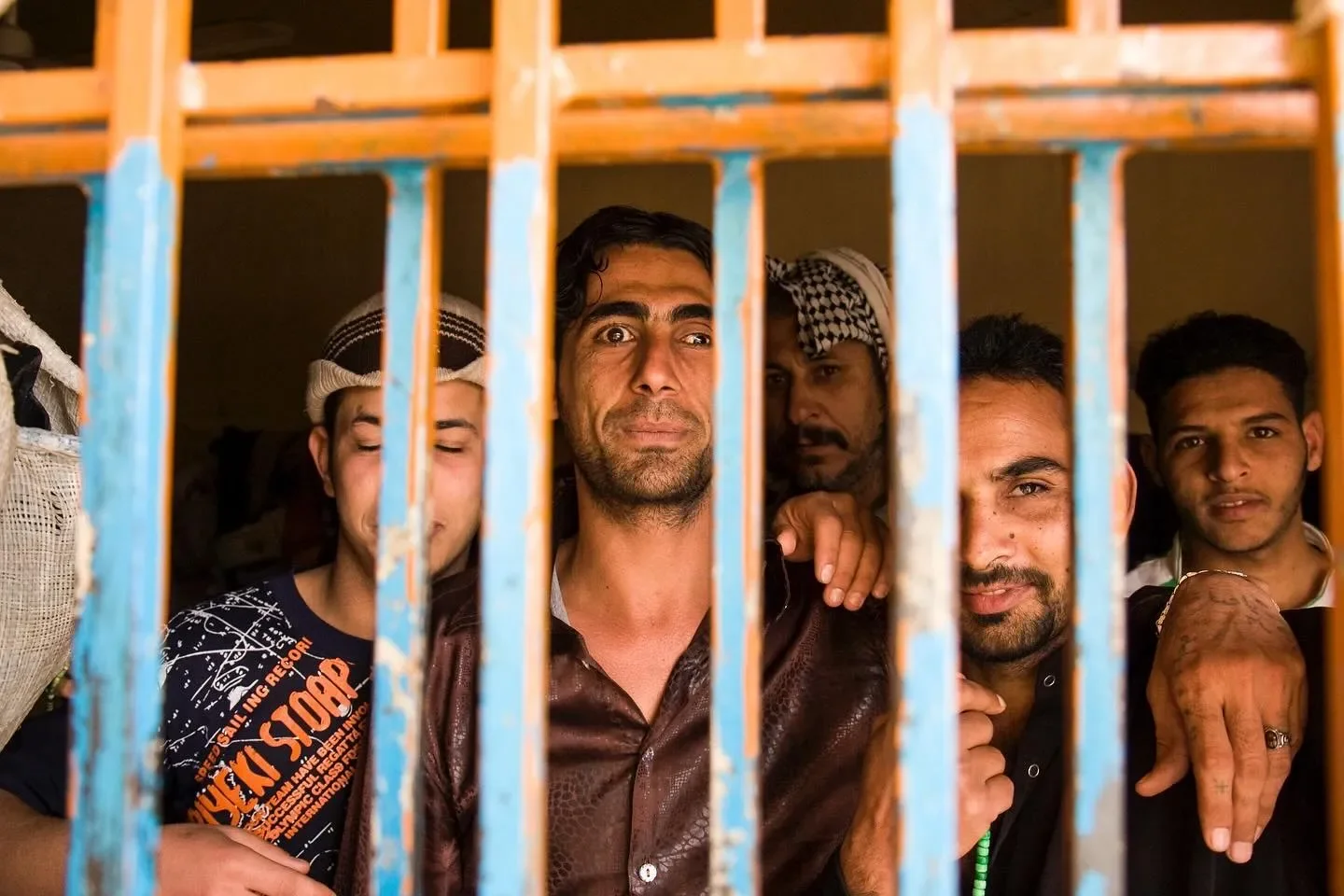
It was hot in the way that drains thought. The kind of heat that presses down and doesn’t let you forget where you are. As we approached the outpost, the conditions didn’t shock me. By then, shock had already burned off. What stopped me was the math of it all the range of ages, the number of bodies packed into rooms never meant to hold that many lives.
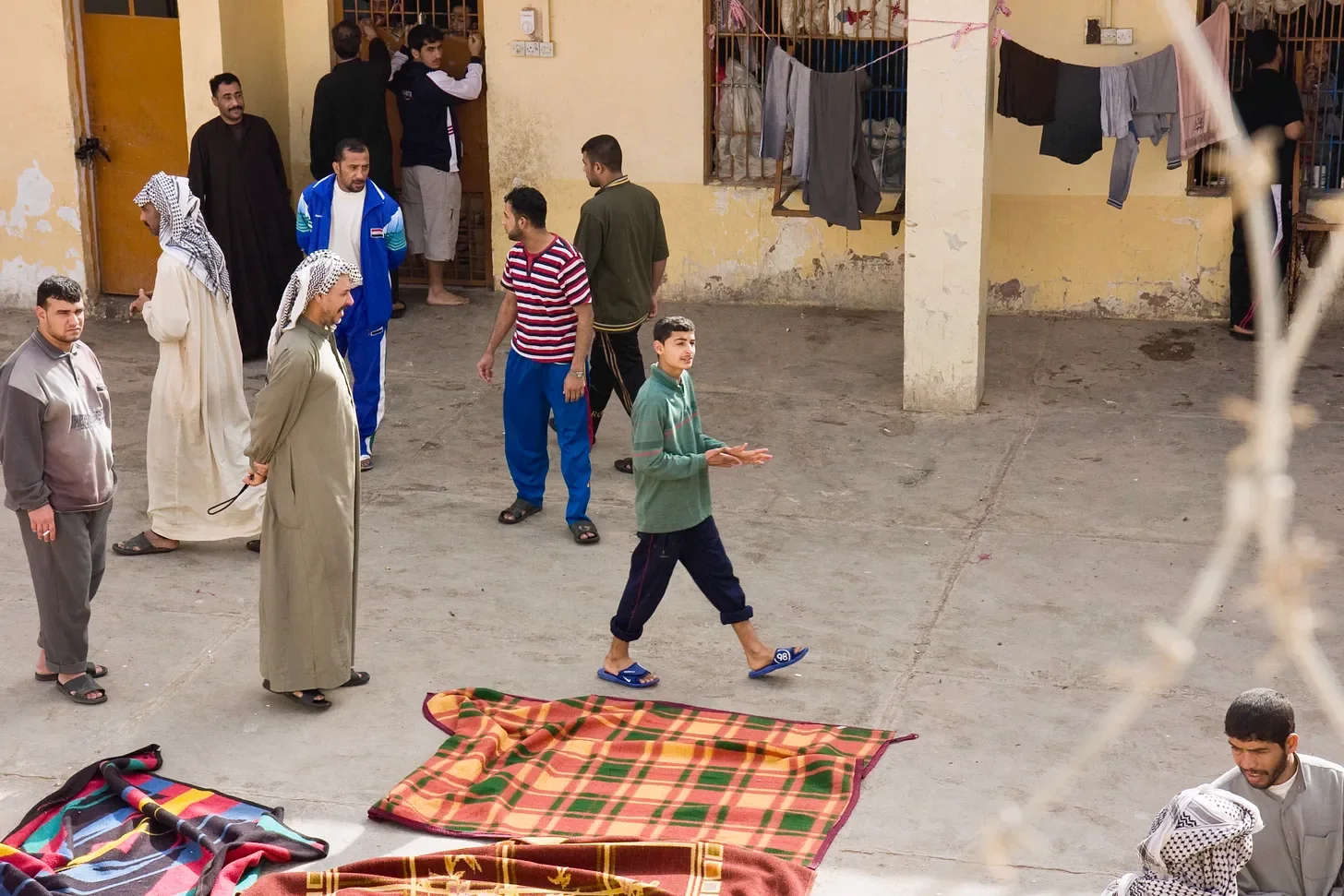
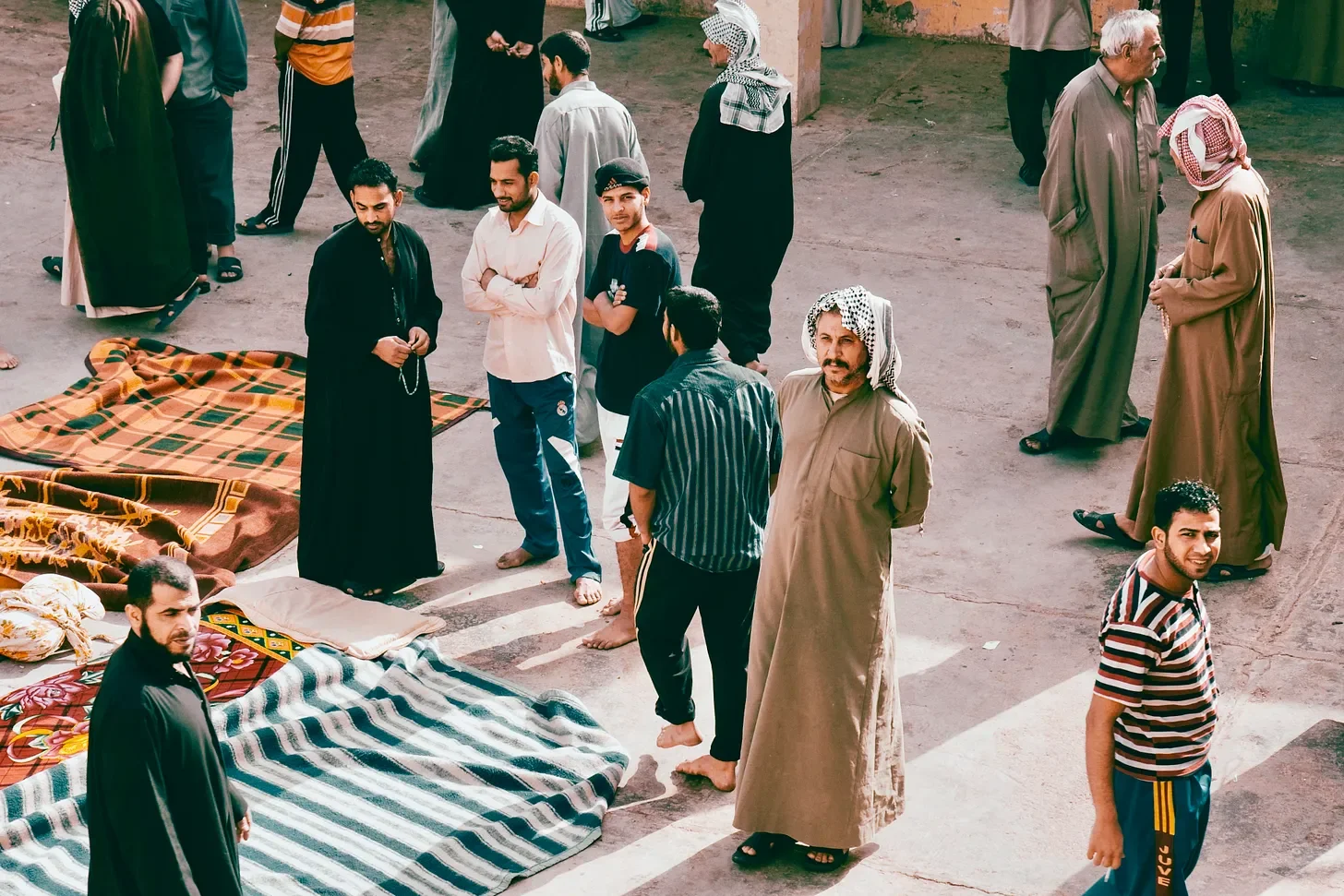
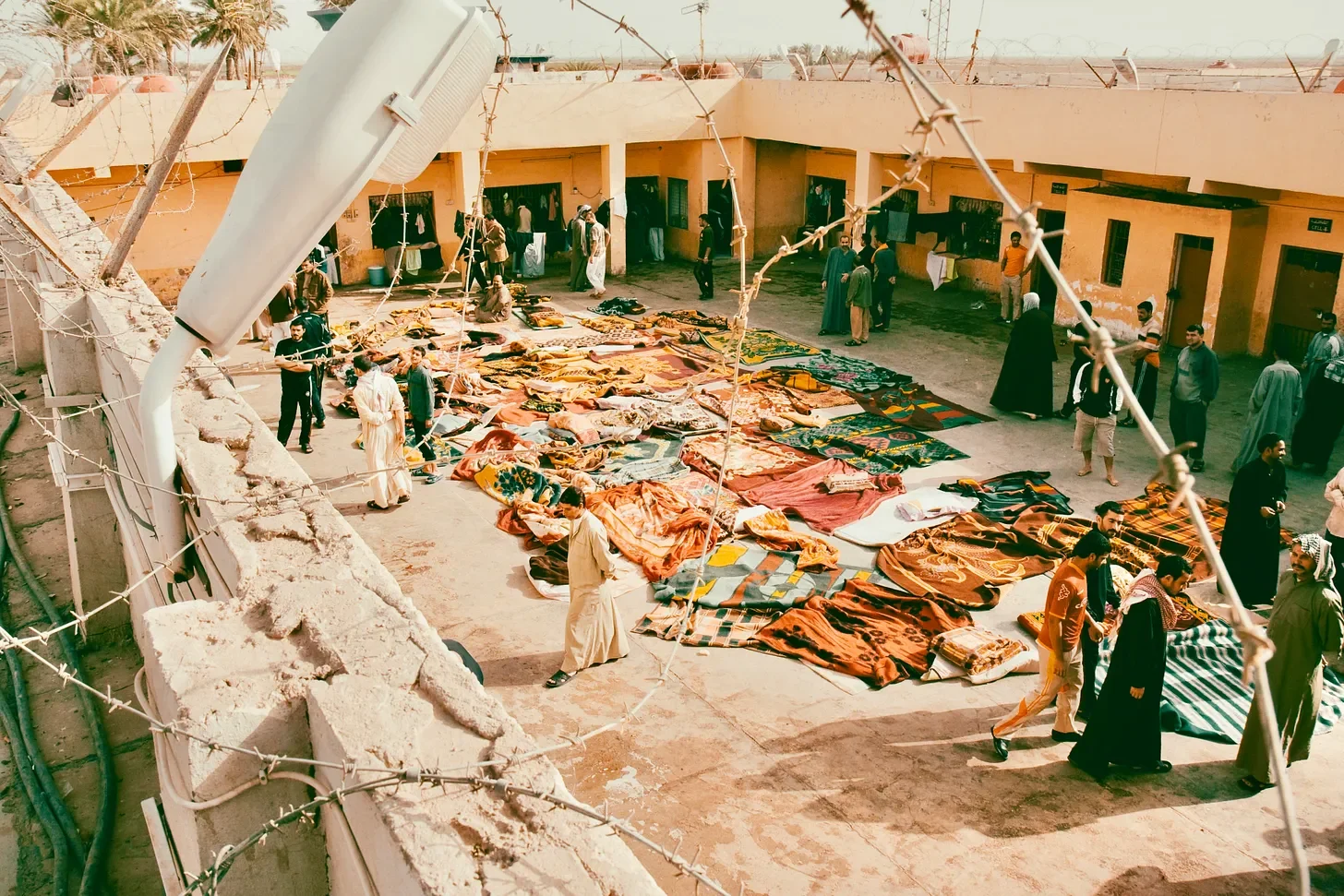
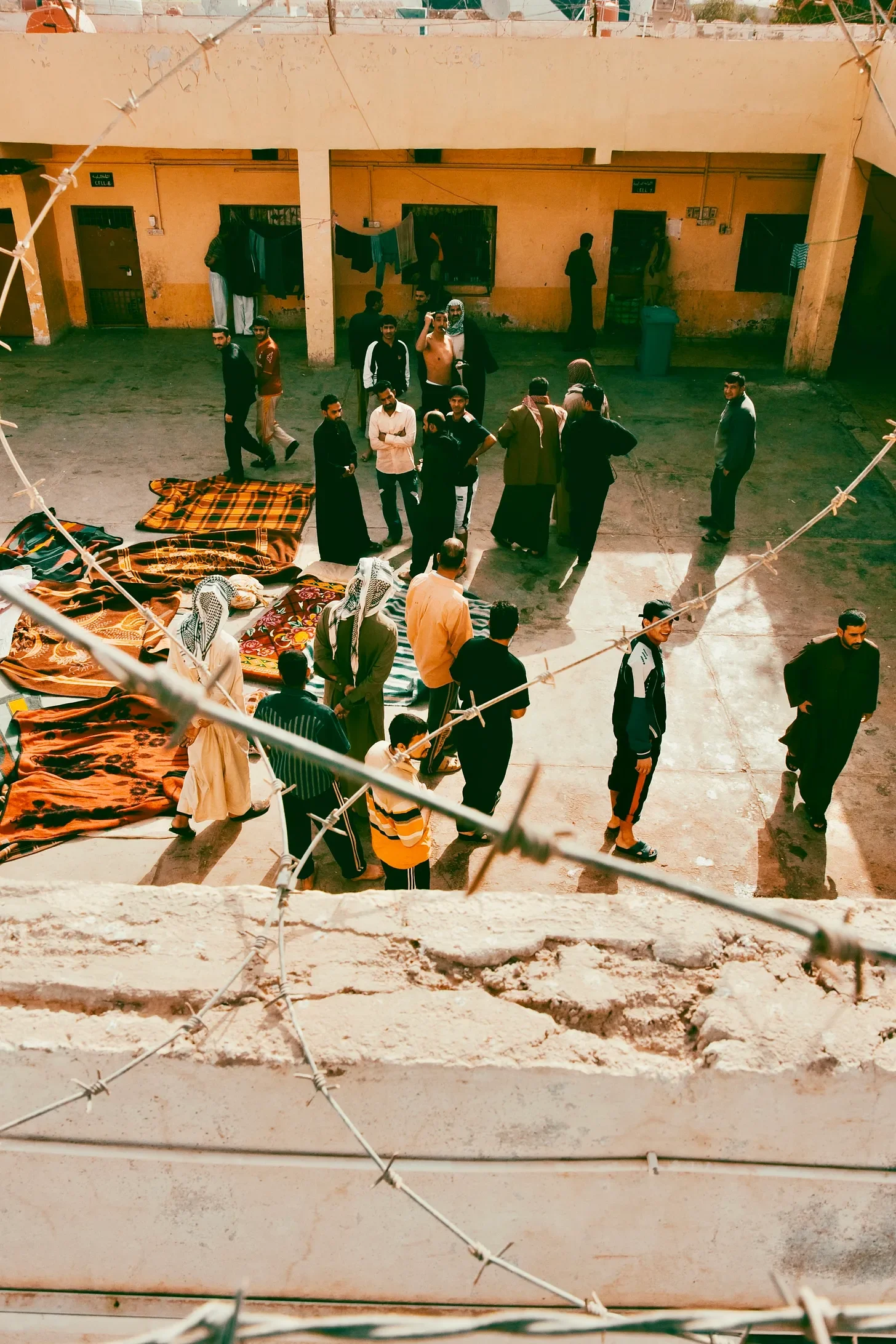
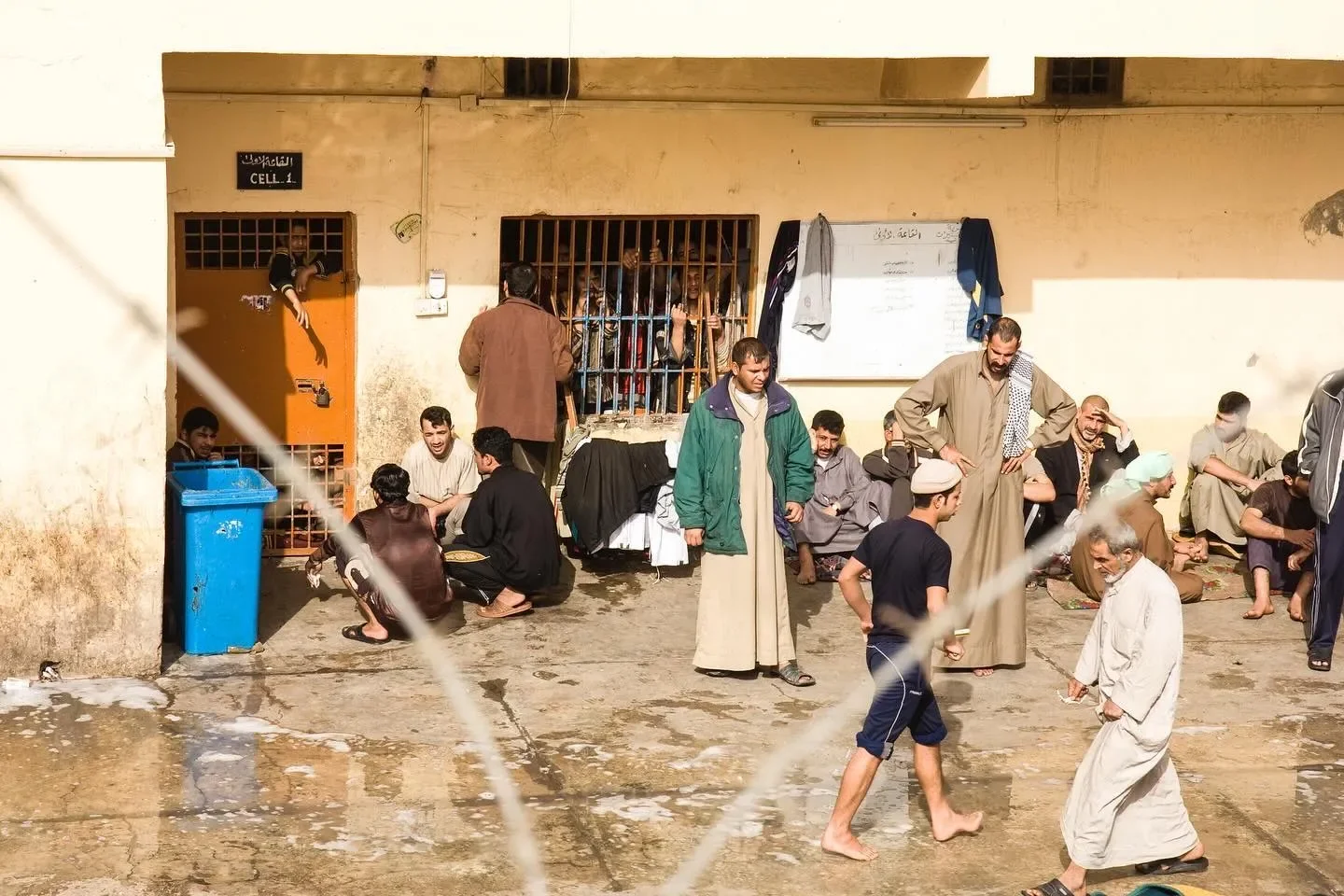
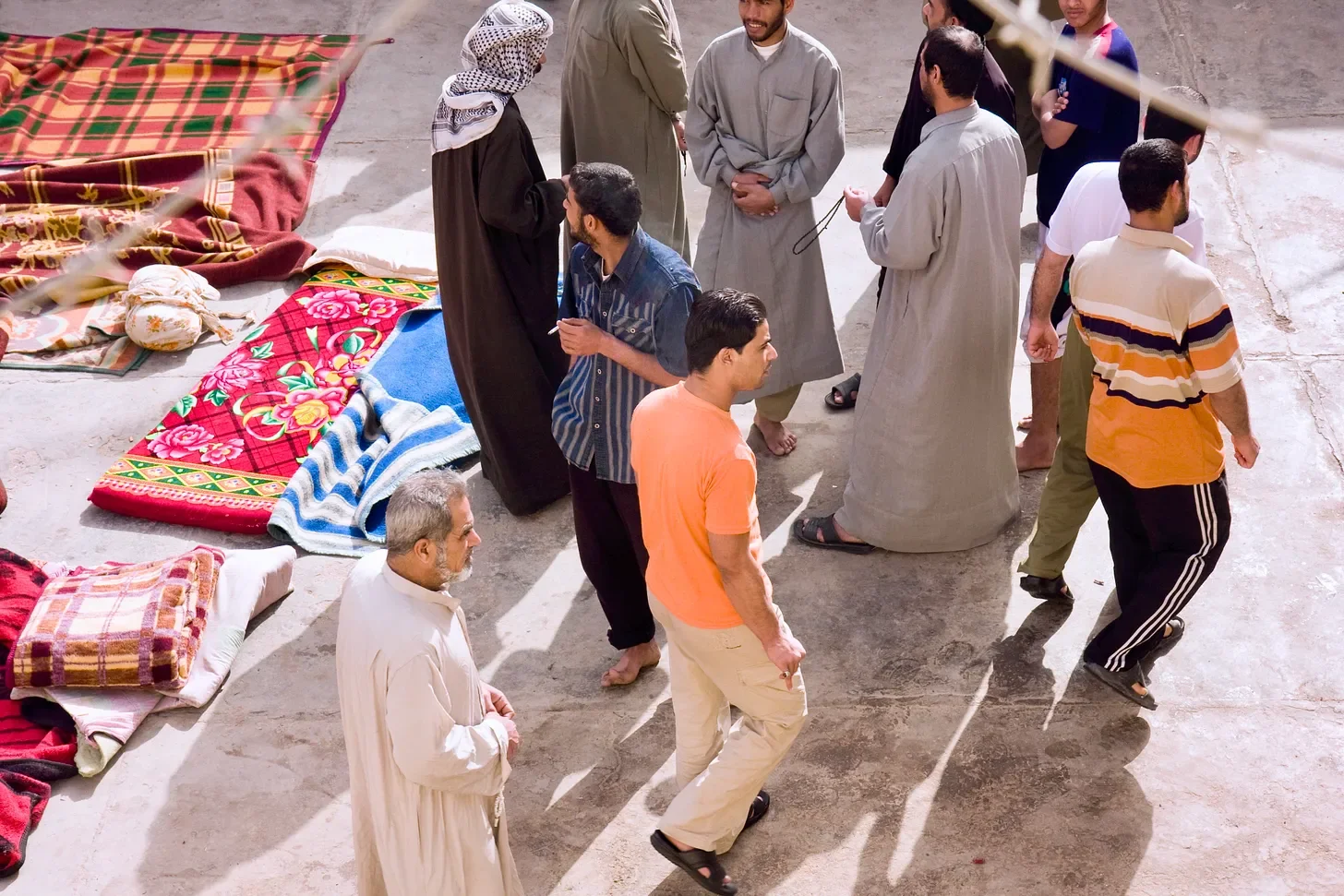
Too many people. Too little space. No privacy. No quiet.
I photographed it in color because black and white would have lied. Color showed the dust on the walls, the sweat on skin, the stains that never come out. It showed that this wasn’t symbolic or abstract. This was daily life. This was heat and concrete and time stretching endlessly forward.
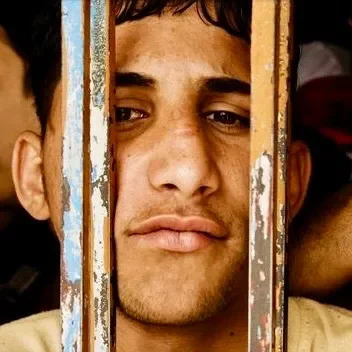
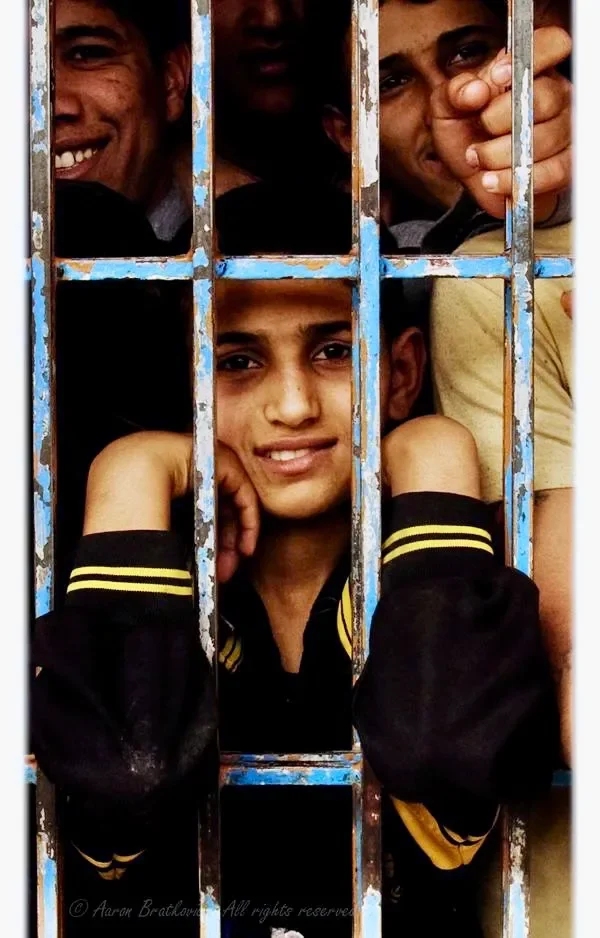
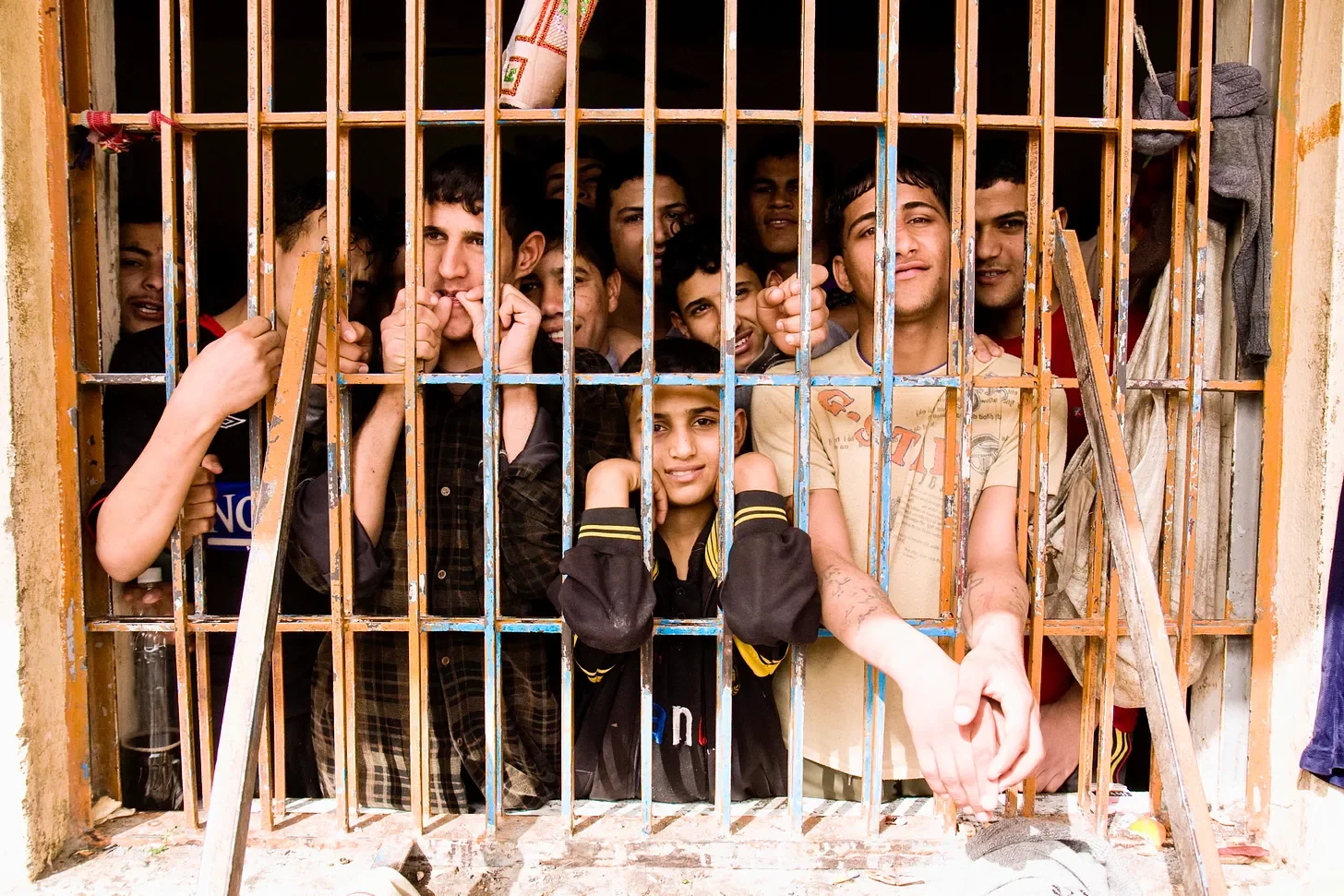
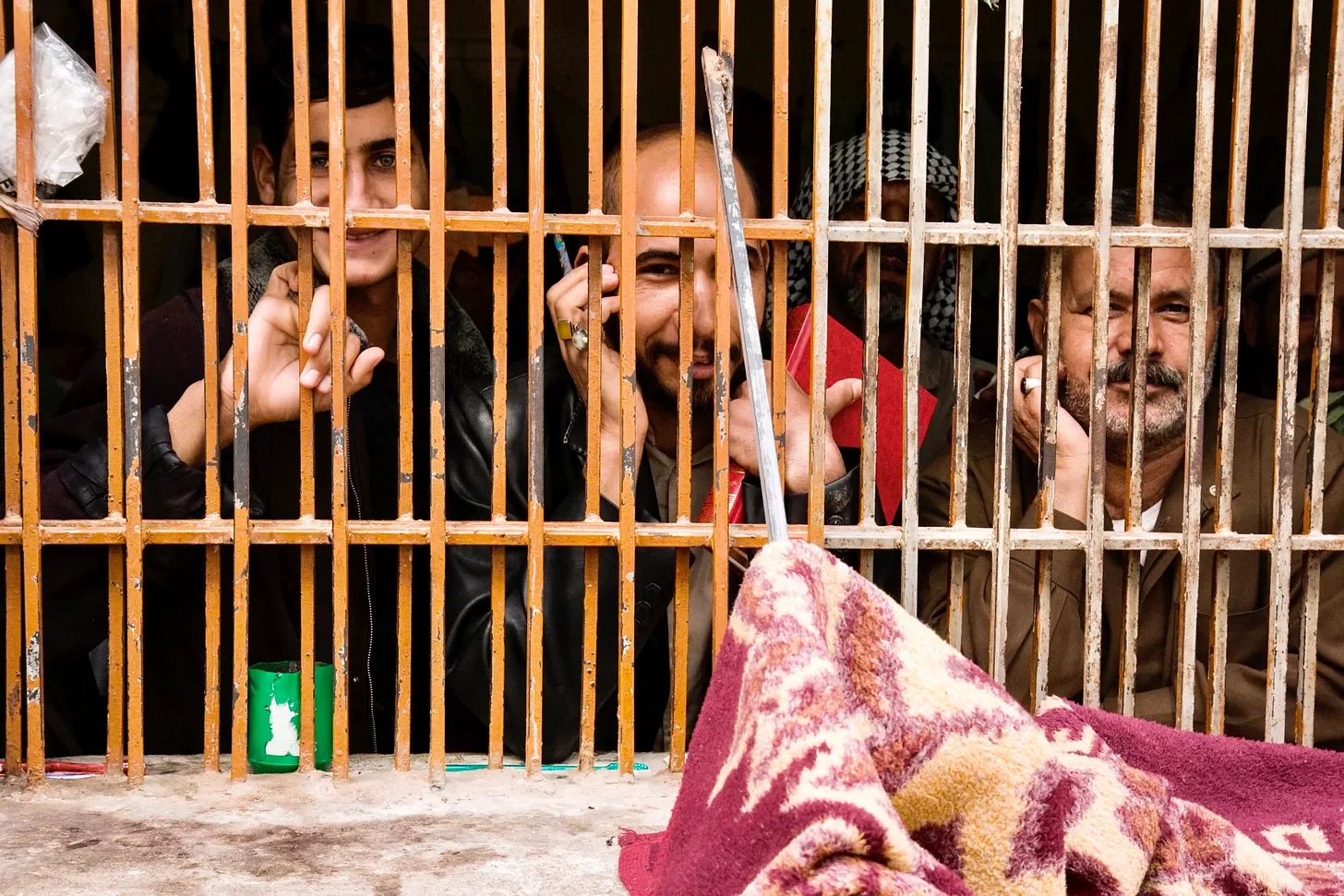
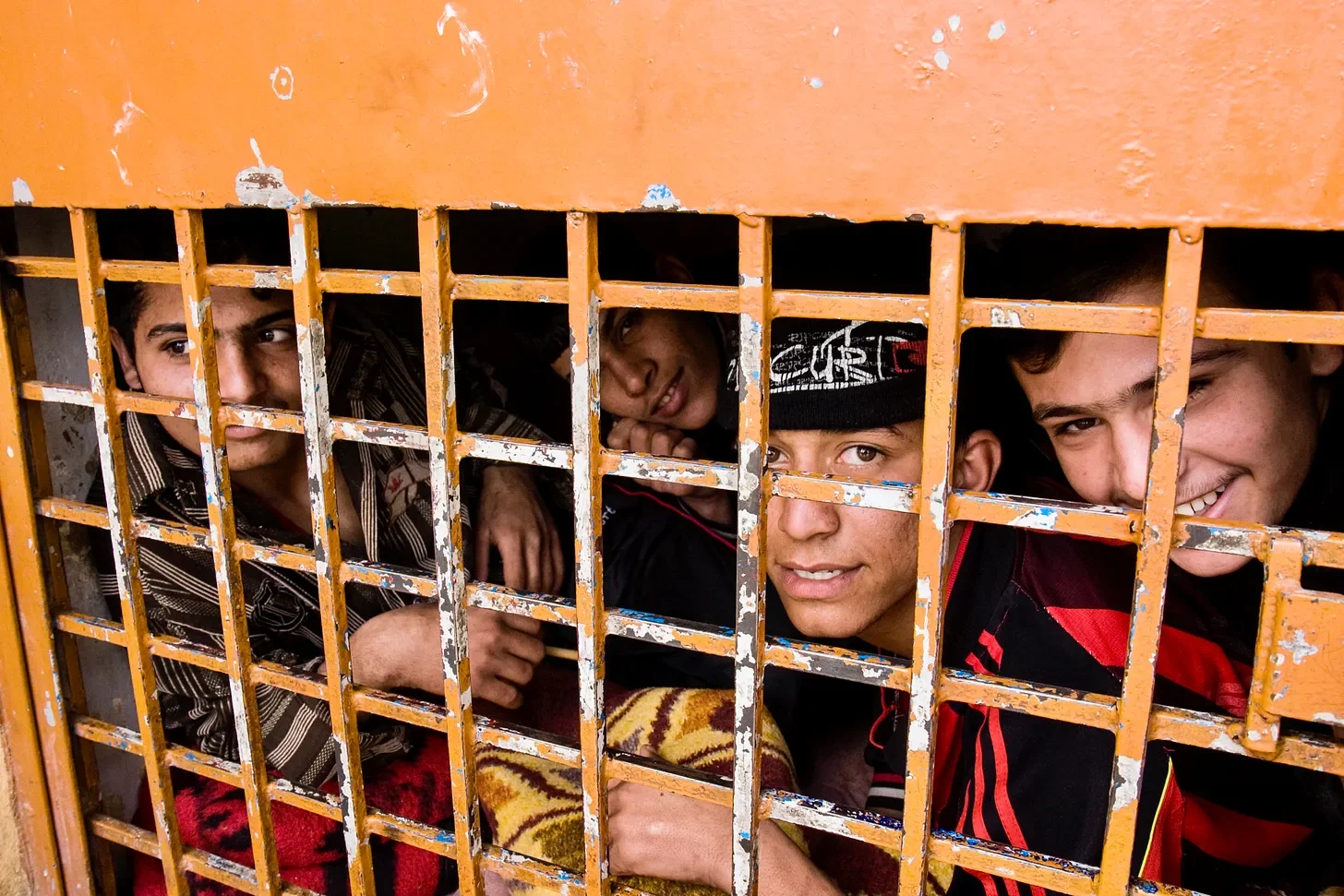
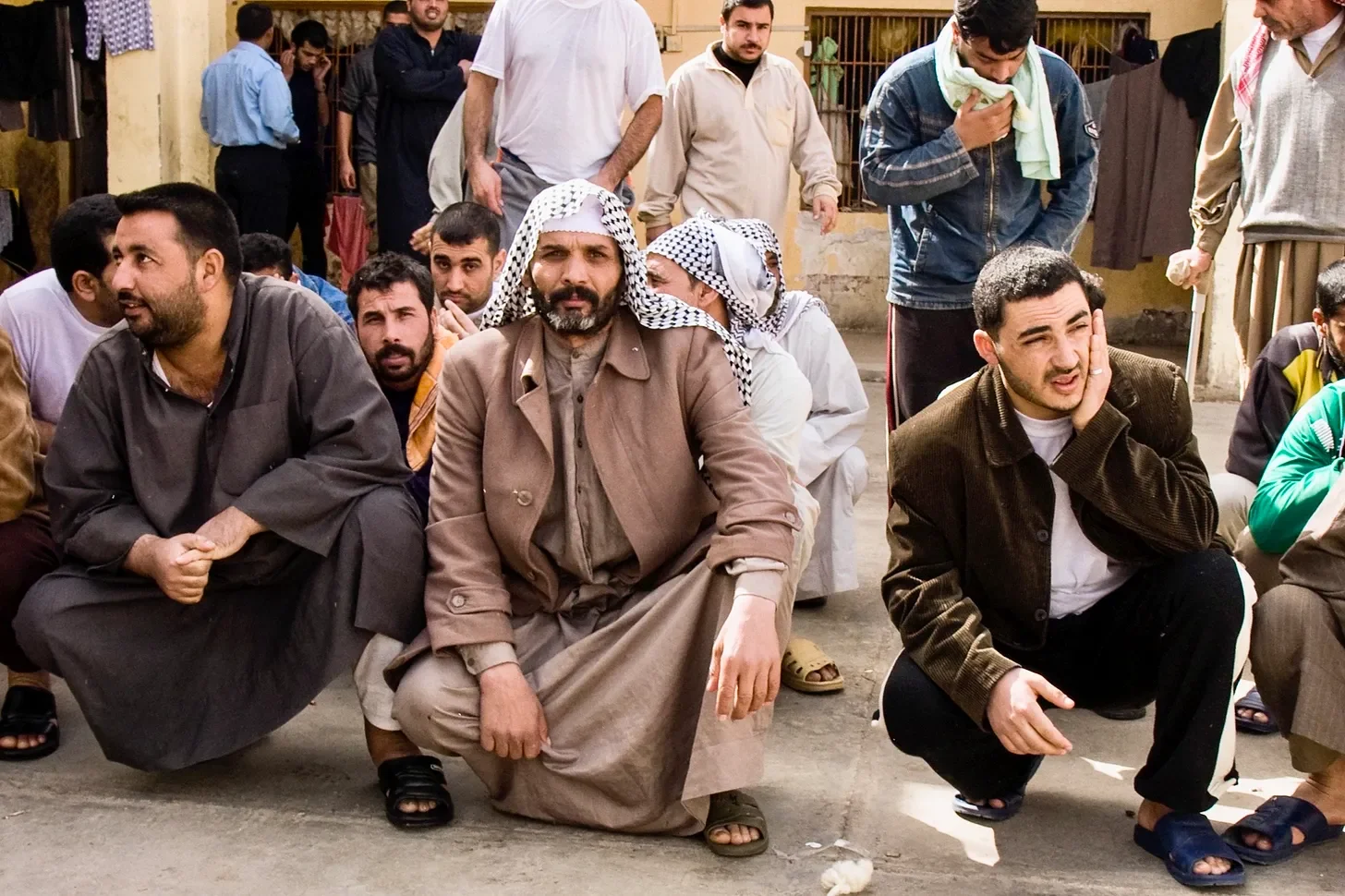
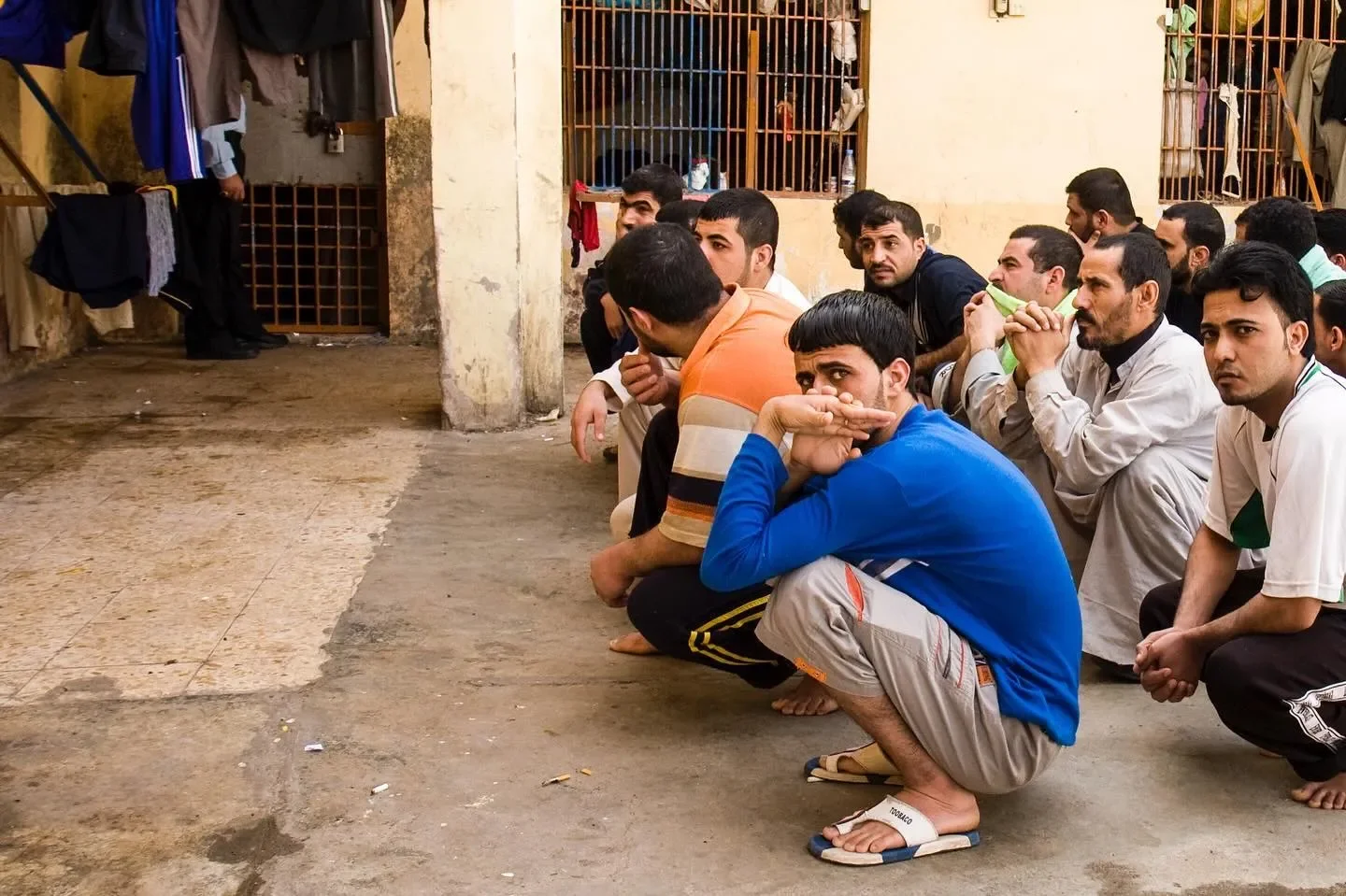
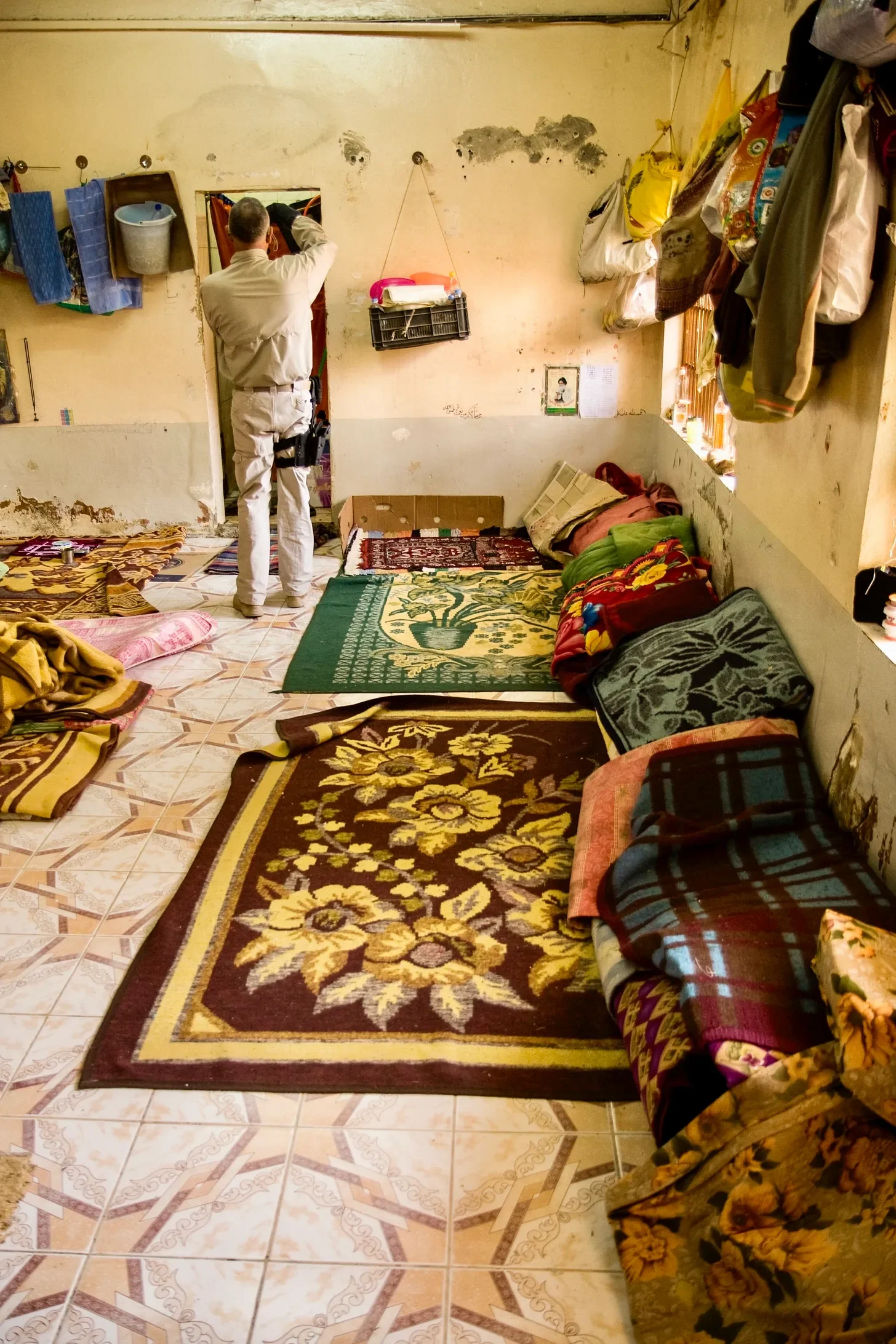
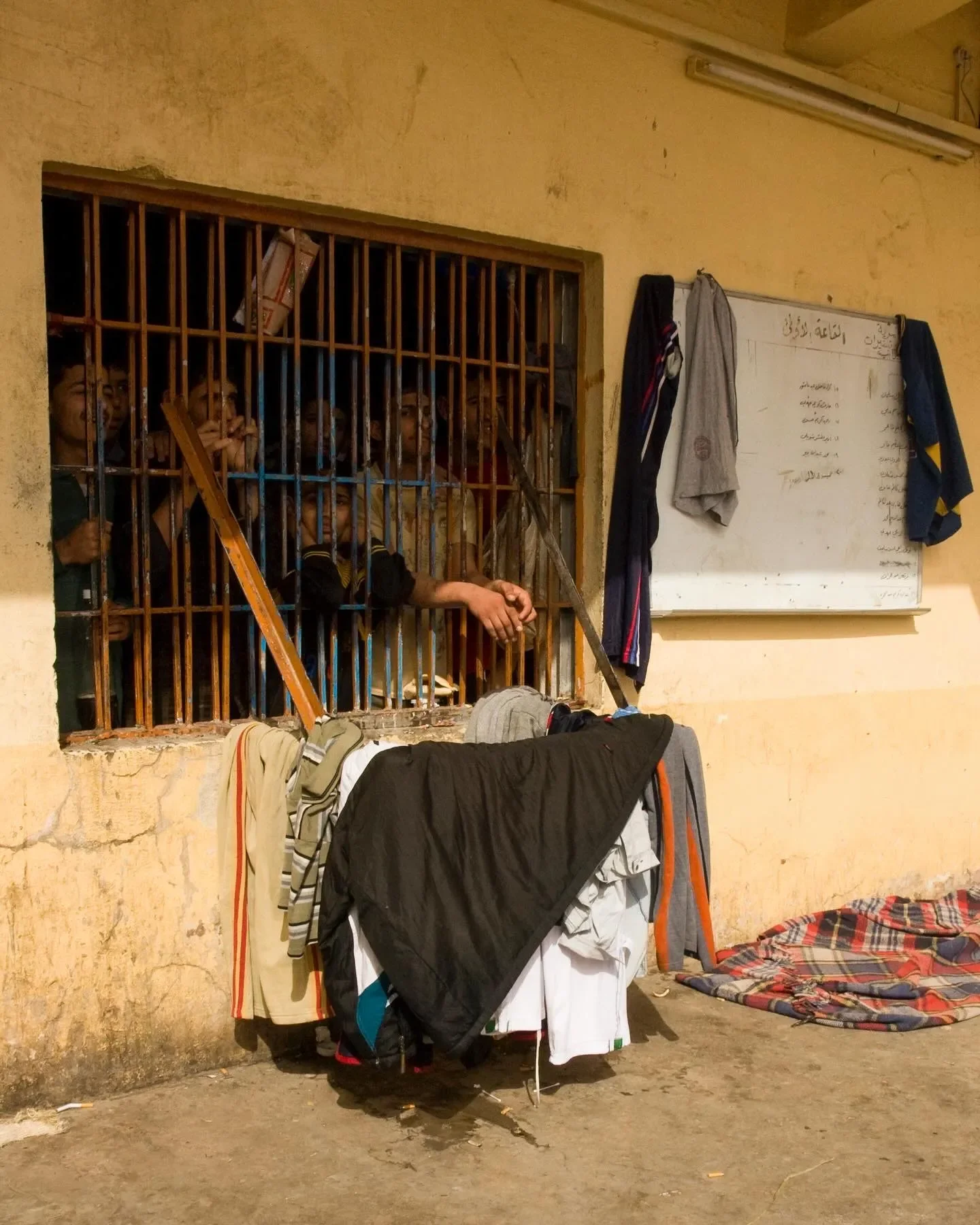
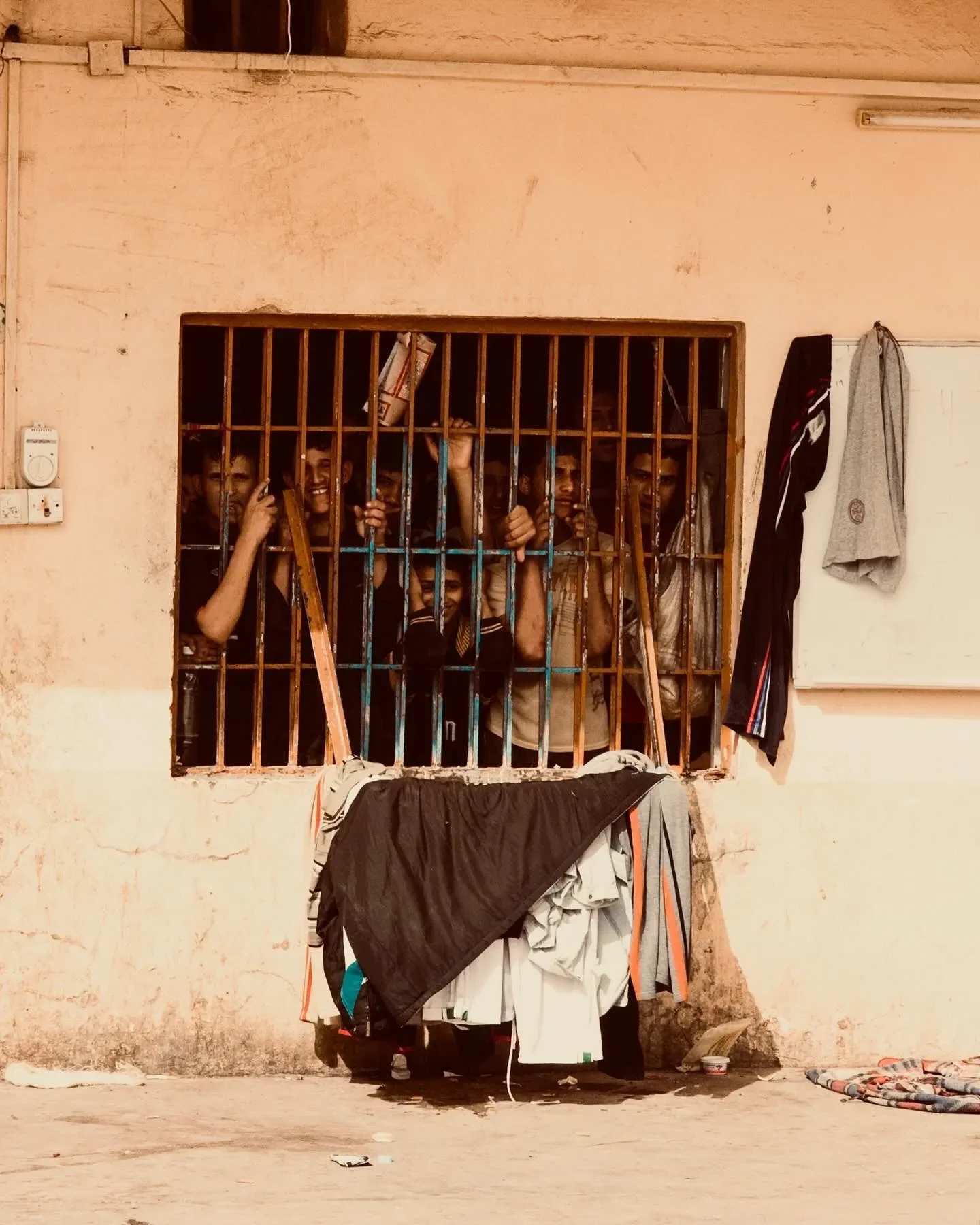
They walked us through their routines. Counts. Cells. Procedures. The doors opened and closed with a rhythm that felt practiced and final. The Iraqi guards explained how things worked, almost formally, as if structure alone could justify permanence.
It felt like they wanted us to see it. Not to approve it just to understand it.
I kept thinking about how many of these men would never leave. How this wasn’t a pause in their lives, but the remainder of them. That freedom wasn’t delayed it was already gone.
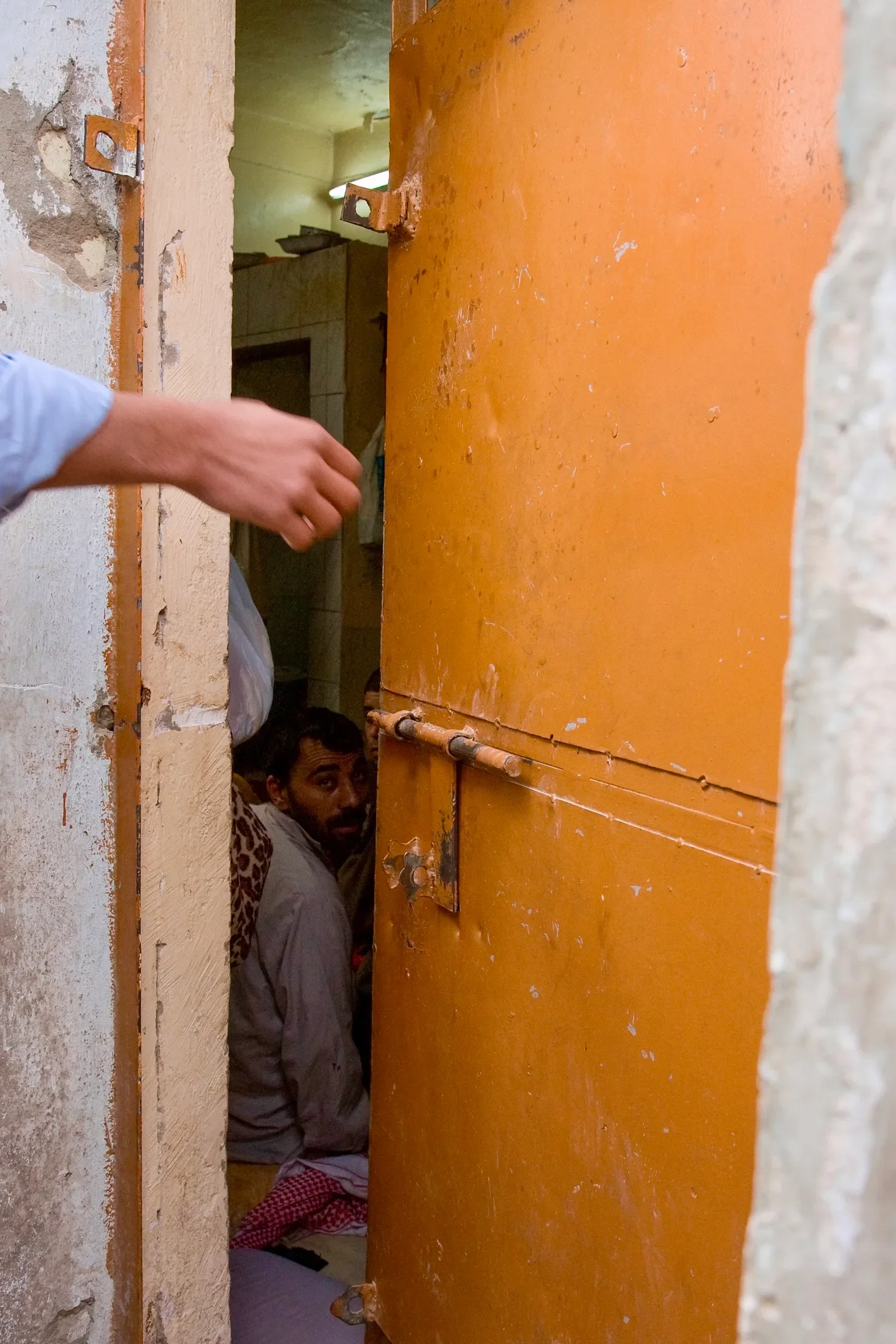
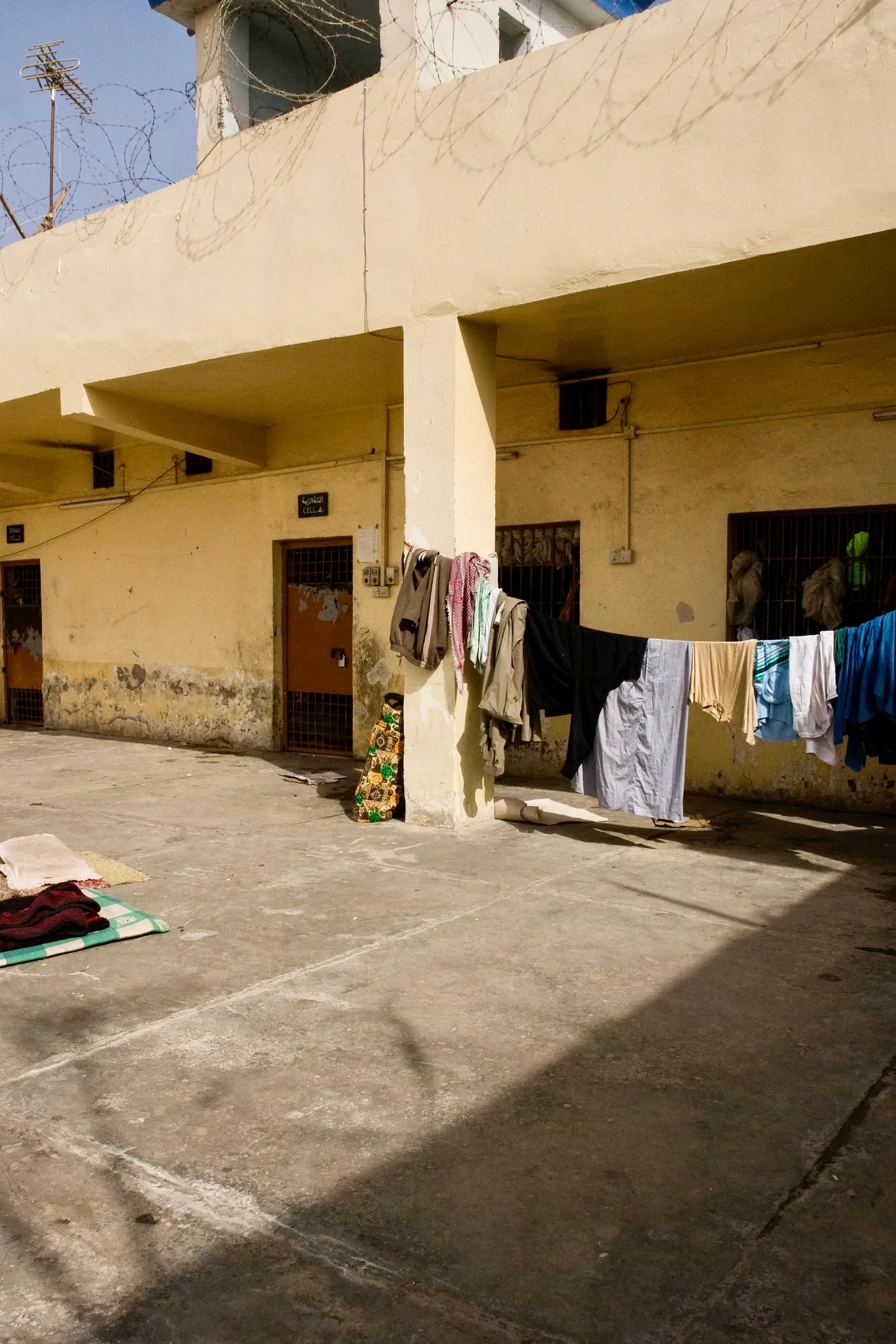
I left knowing that some places aren’t meant to be passed through. They’re meant to contain. To hold time still. And once you’re inside, the world doesn’t come back for you.
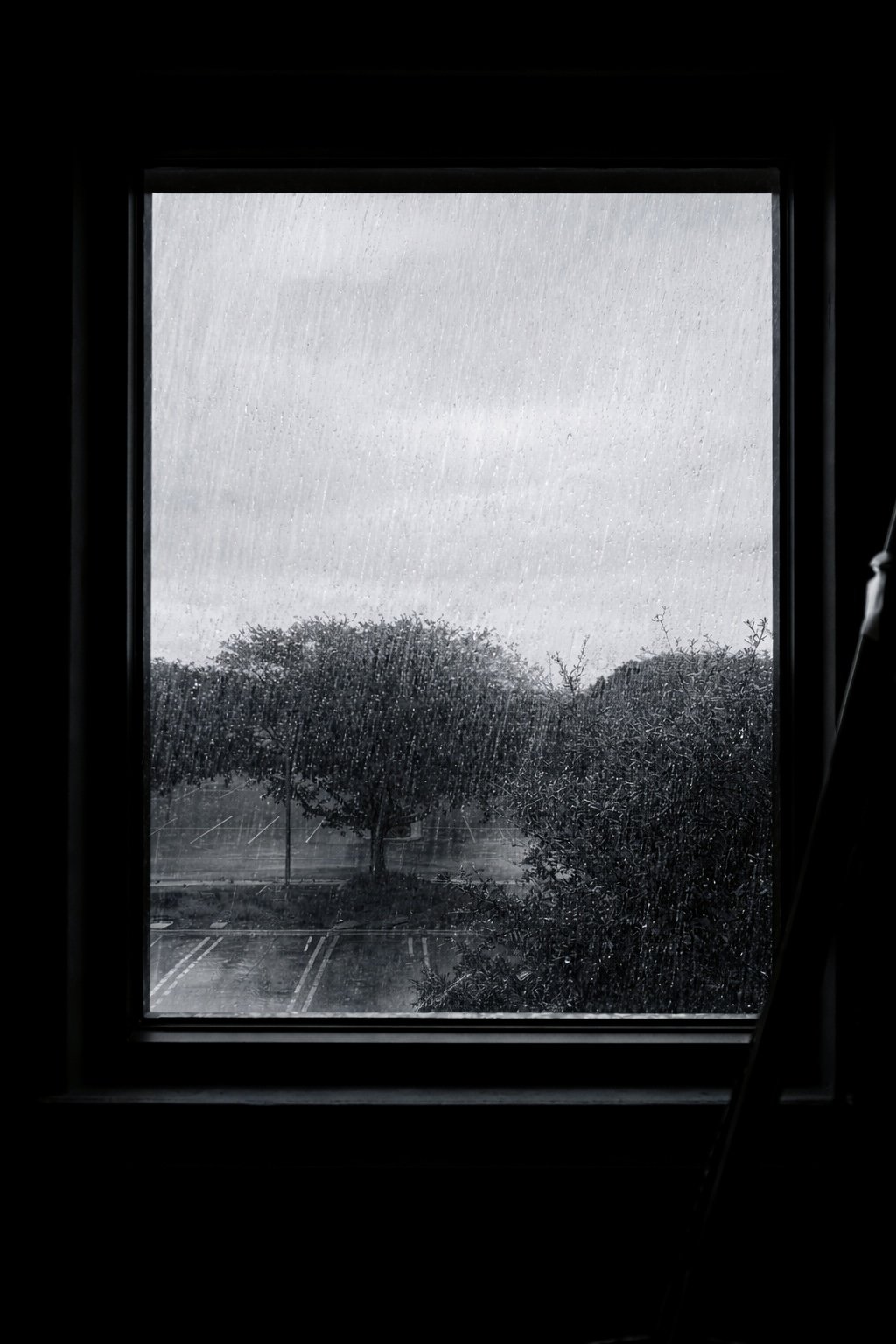
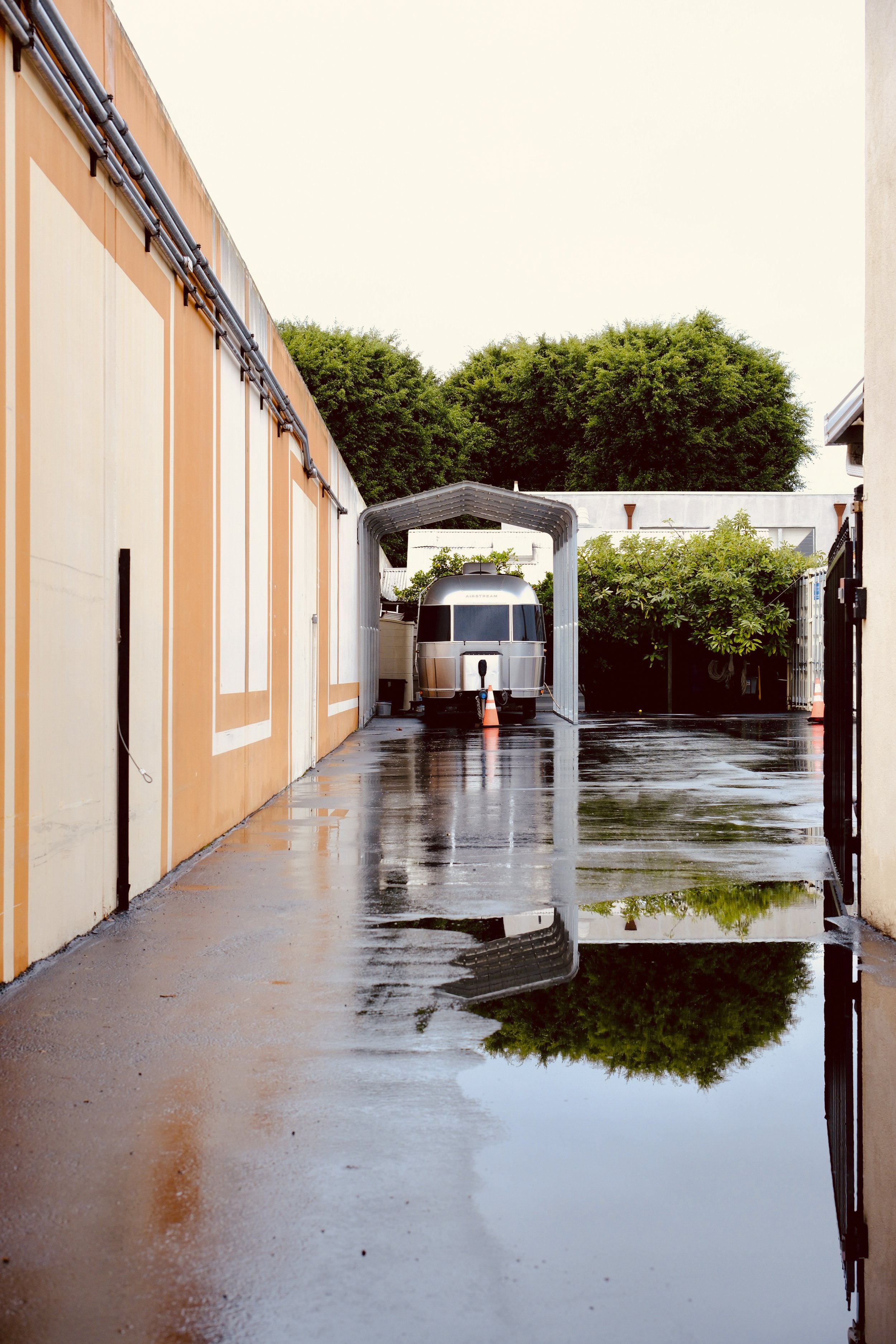
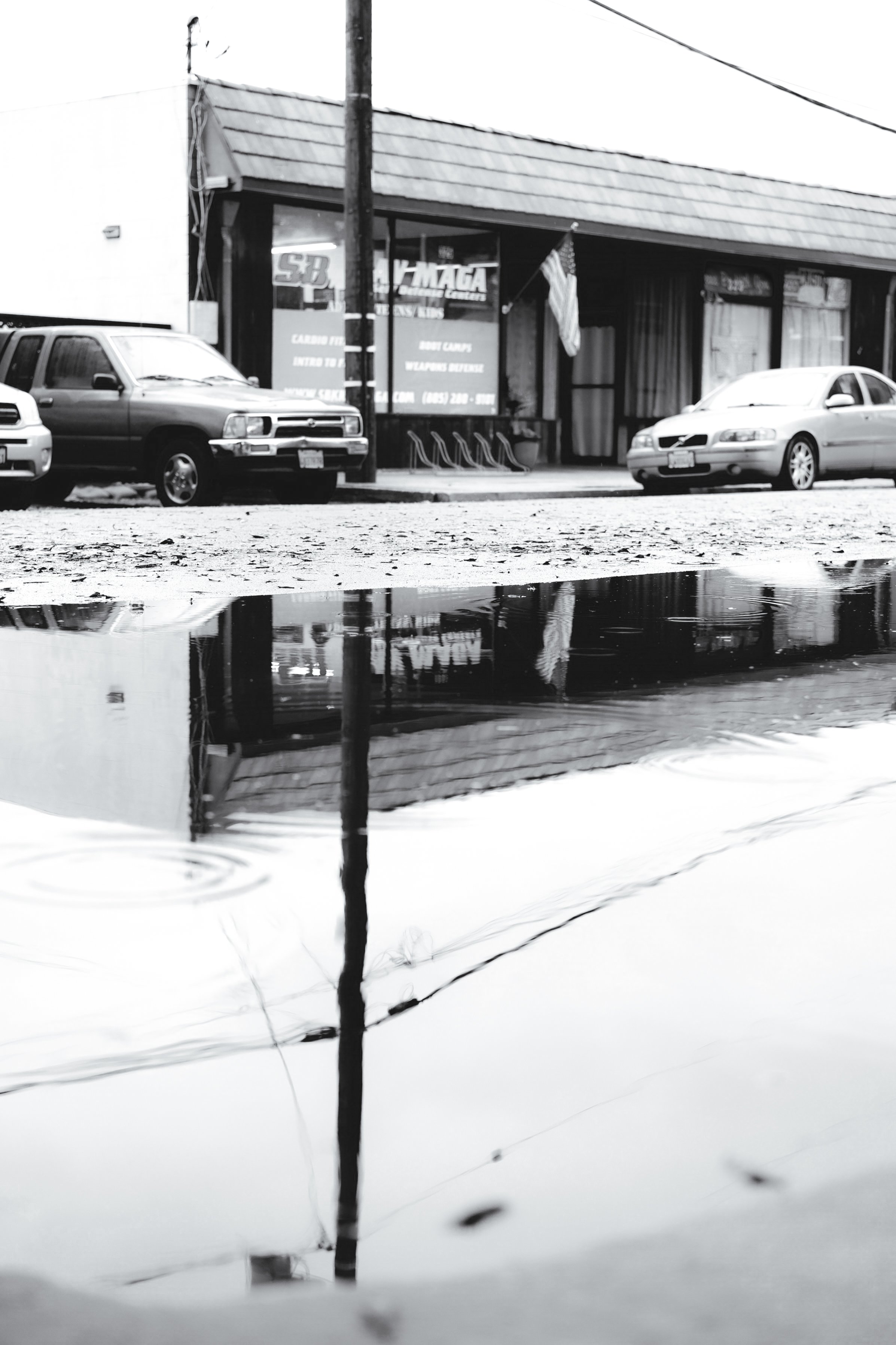
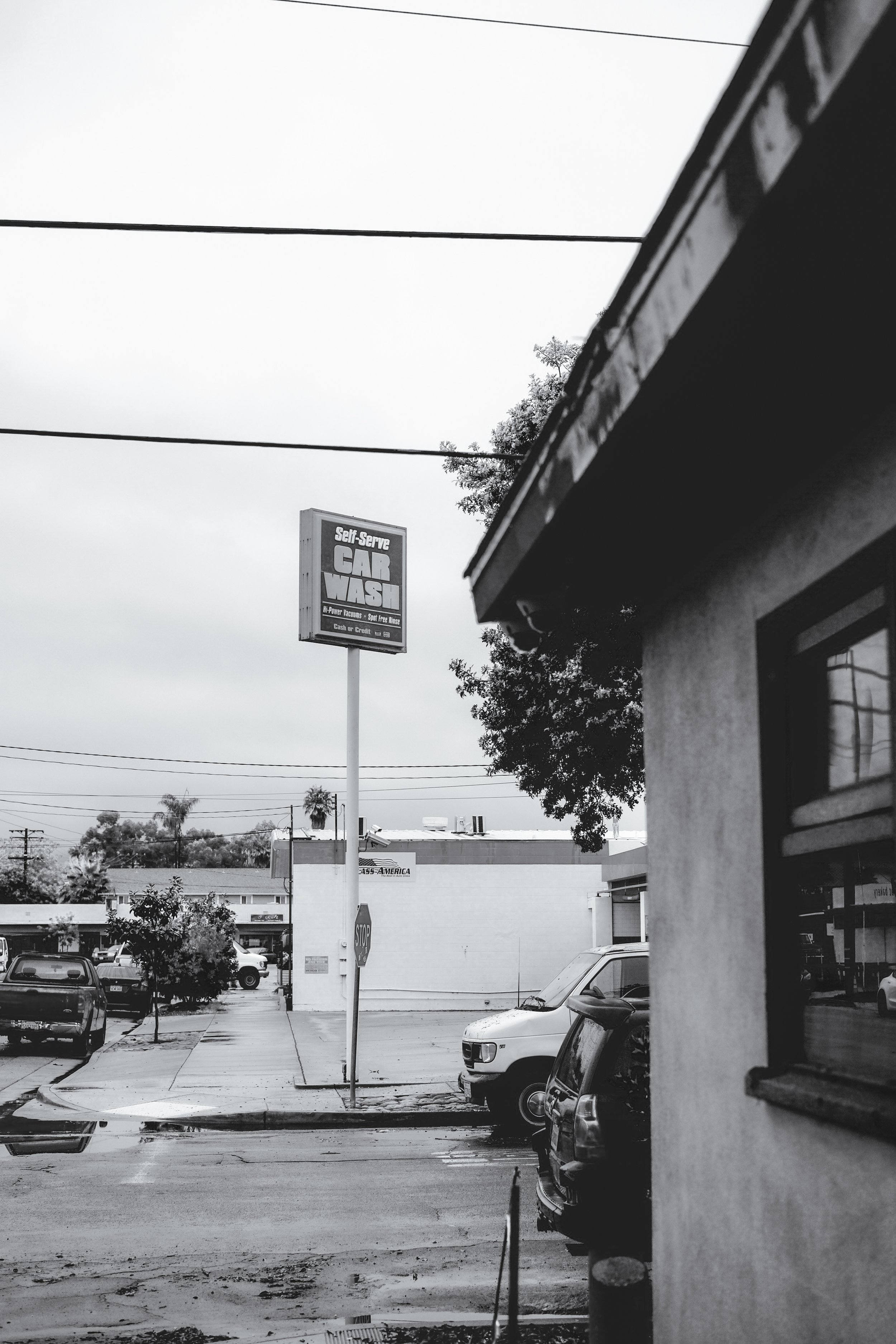
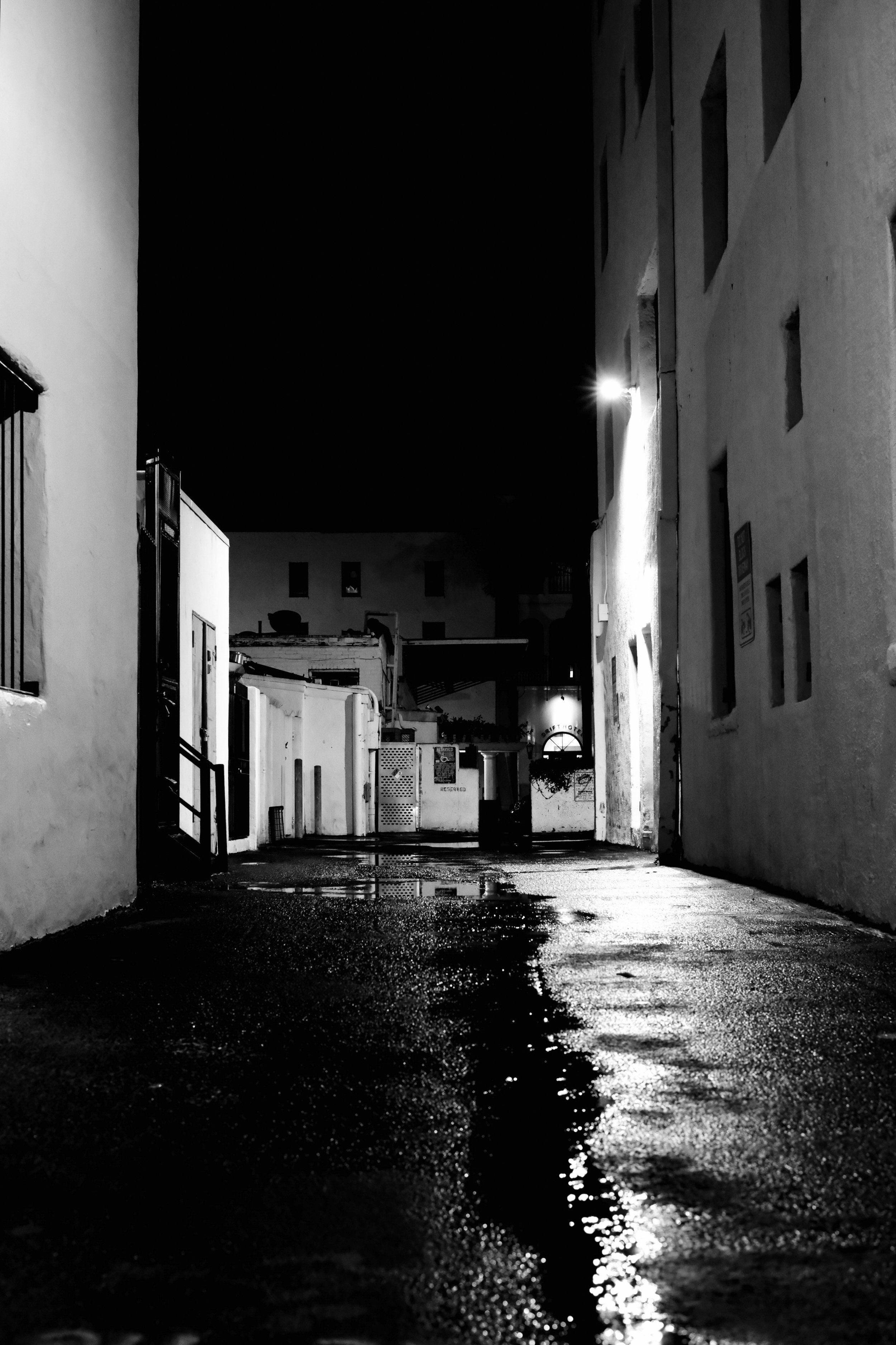
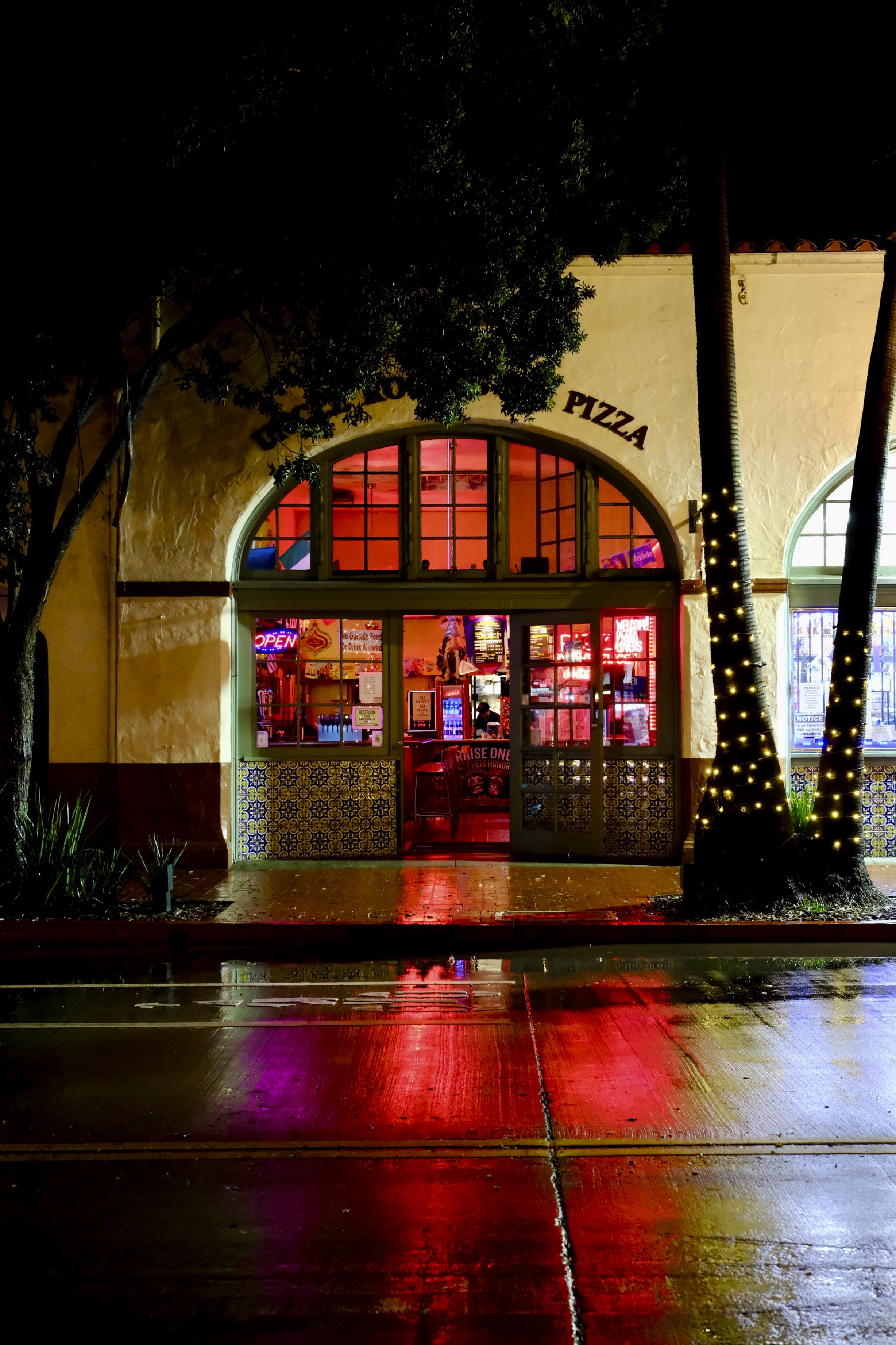
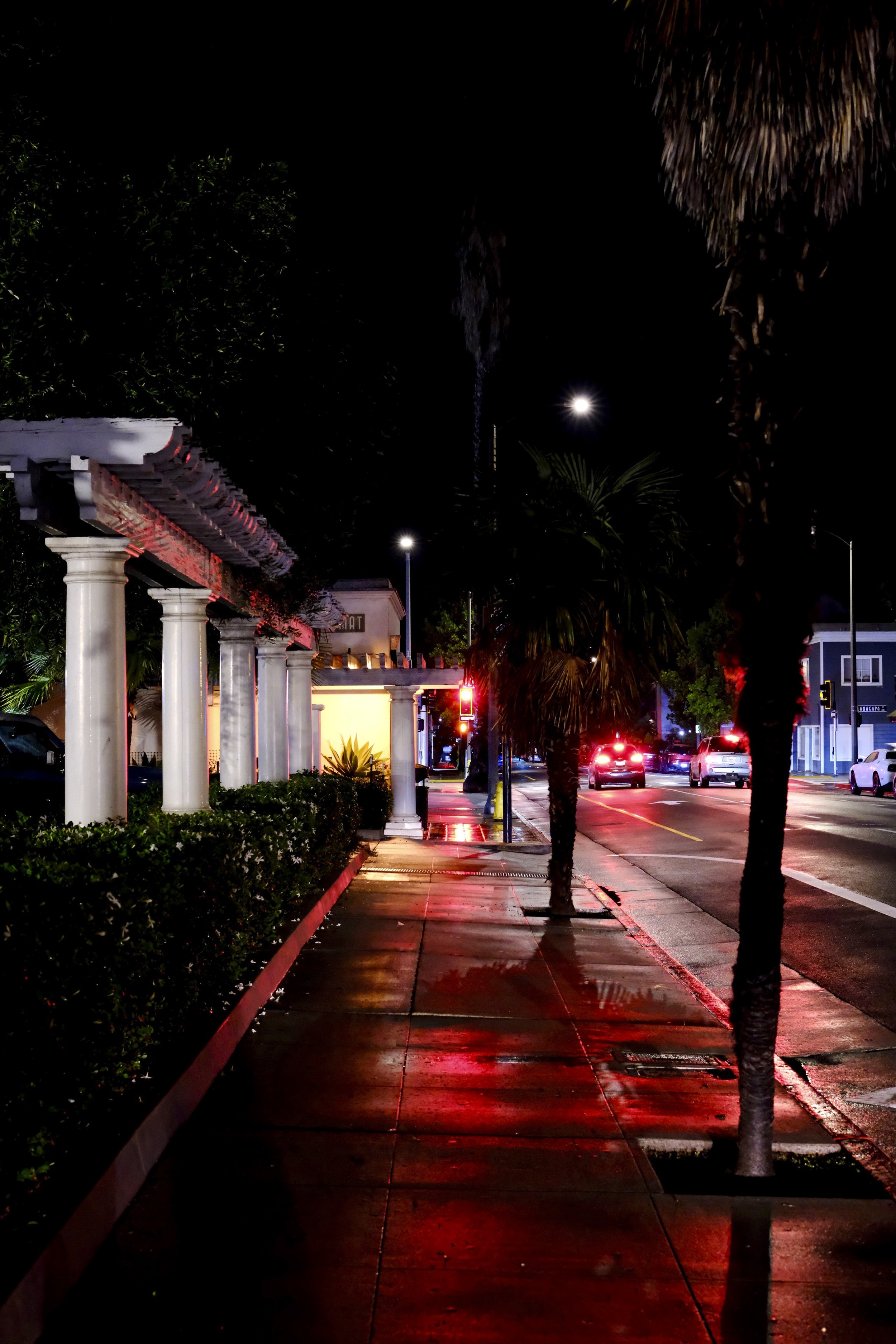
Santa Barbara Rain
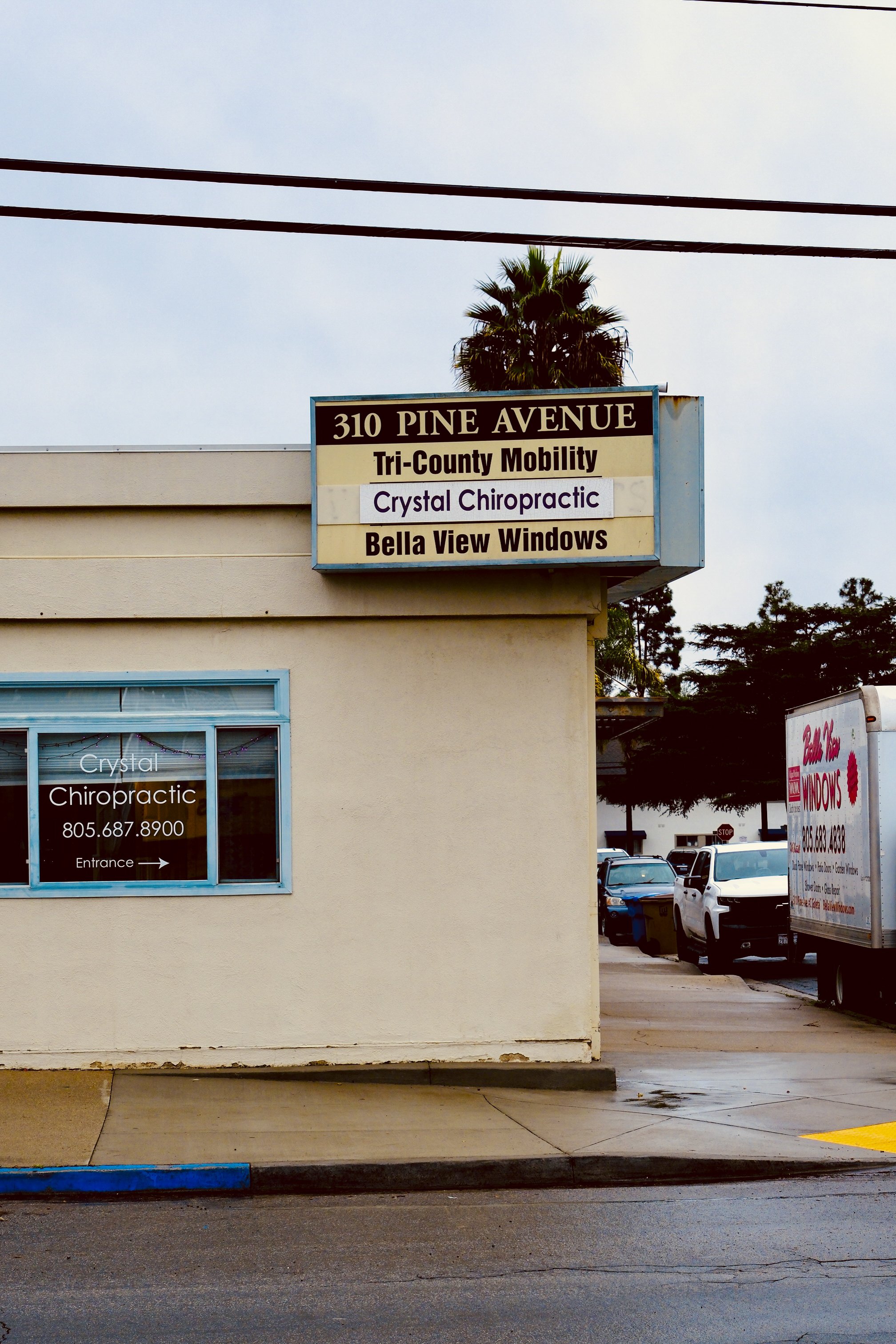
I went for a walk on my lunch break, which was a nice way to break up the day. Wandering around and taking photos always relaxes me. The curious stares are almost funny, and every now and then someone asks not to be photographed or wants to know what I’m doing. Really, I’m just out trying to unwind and capture whatever resonates with me or catches my eye. Alexa and I ended the evening with ramen, which was the perfect finish to the day.
This Week and Sluttony at Soho
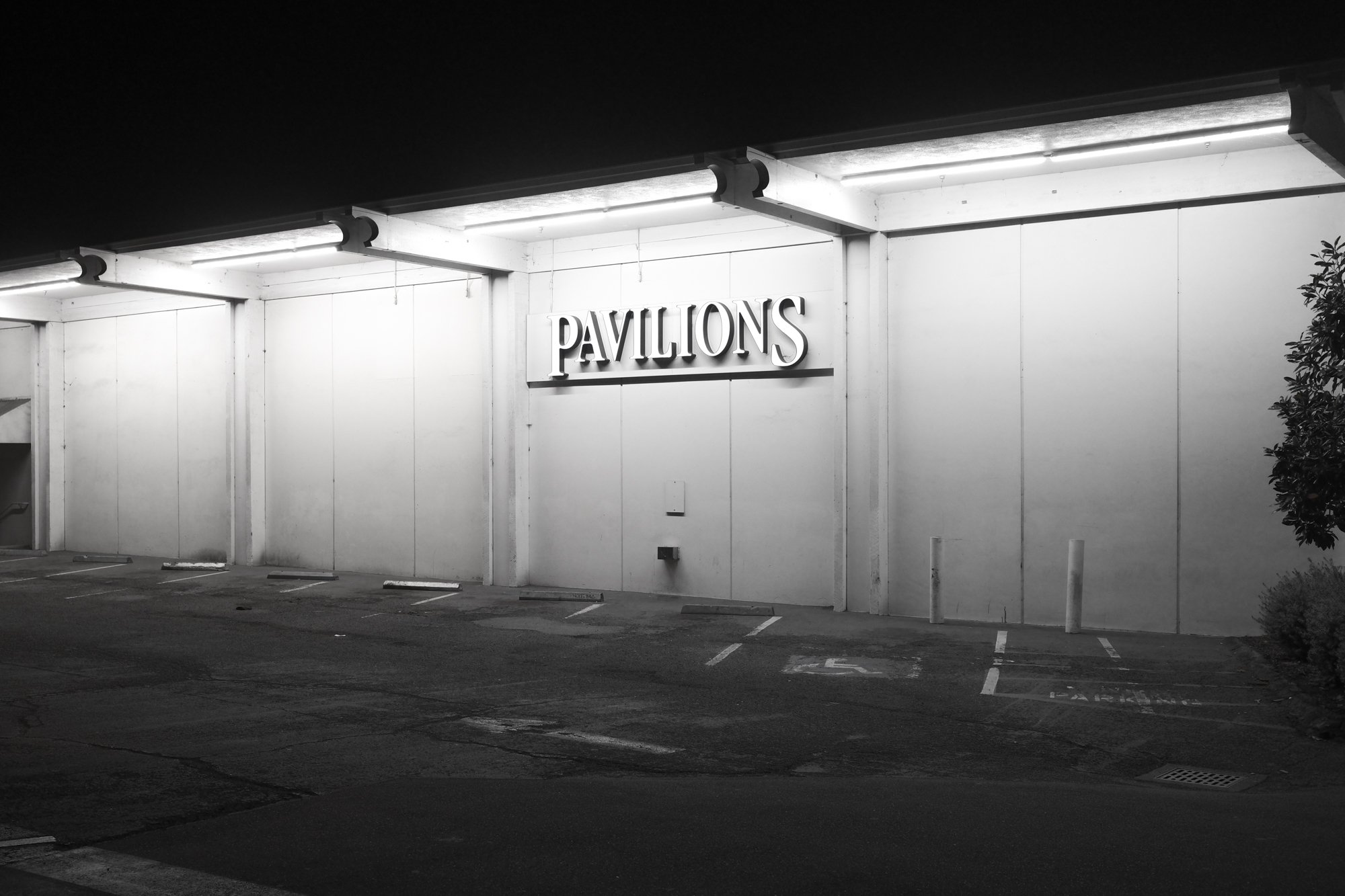
I can’t take credit for sharing this one — my friend and fellow photographer David Kafer Photography texted it to me the other week.
This online panel brings together top photo and creative directors, agency leaders, and hiring decision-makers to discuss how photographers can stand out, get hired, and build lasting client relationships. Moderated by Karen Williams, author of The Photo Hustle, the conversation offers candid, practical advice for photographers at all levels on what matters most in portfolios, pitches, and professional relationships in 2025.

Took the camera out for a show at Soho, a great little venue in Santa Barbara. Snapped a few shots of Sluttony — killer energy and an awesome crowd. A few favorites below 👇
Your Favorite Skater’s Favorite Photographer
Atiba Jefferson
Stories That Stuck With Me
A few times a week, I like to browse and lose myself in photography videos—these are a few that really caught my attention. I also listened to a couple of photo podcasts while doing some mindless editing, and together they reminded me why I love capturing everyday life.
Light, Texture, and a Bit of Stillness
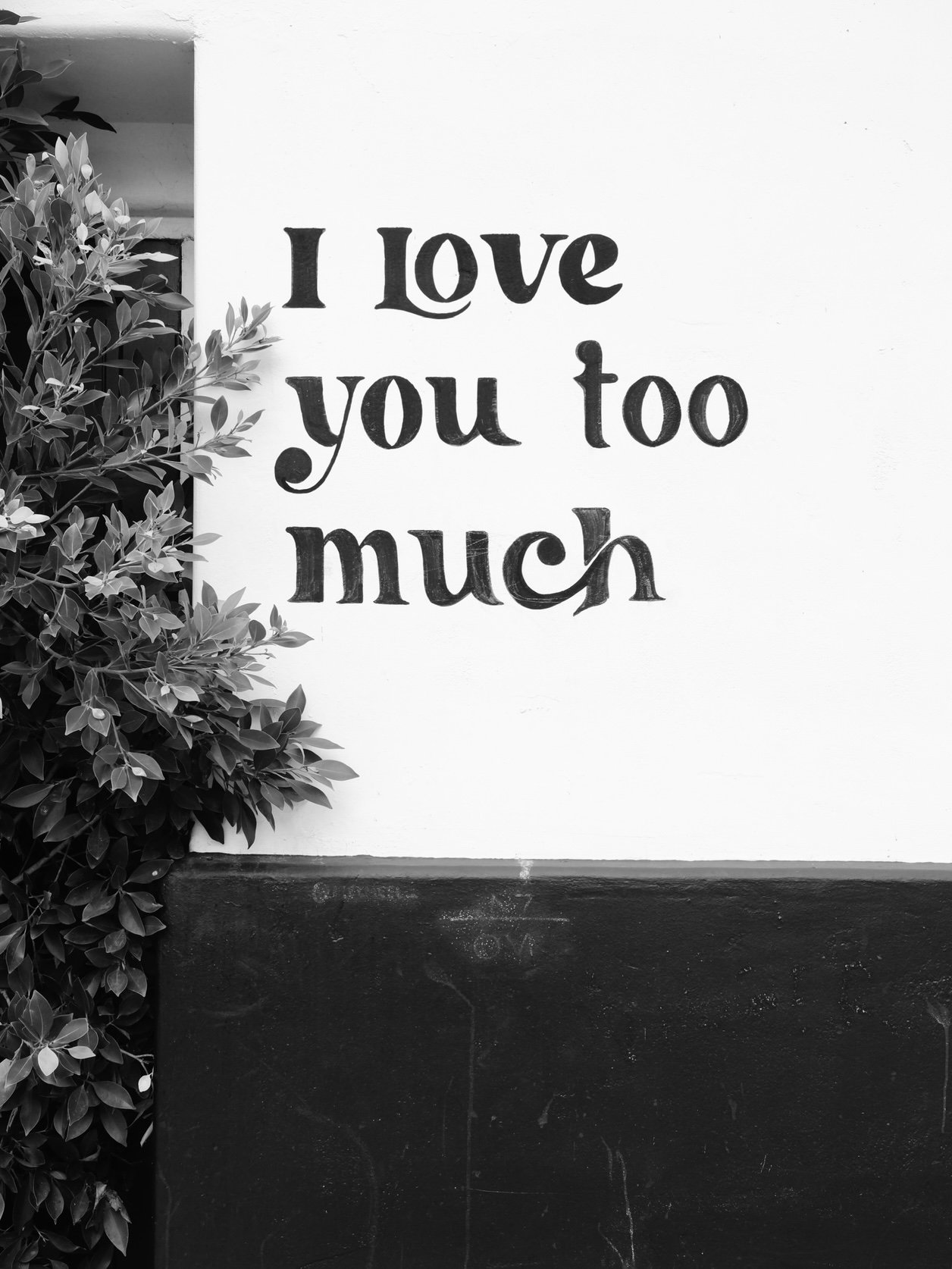
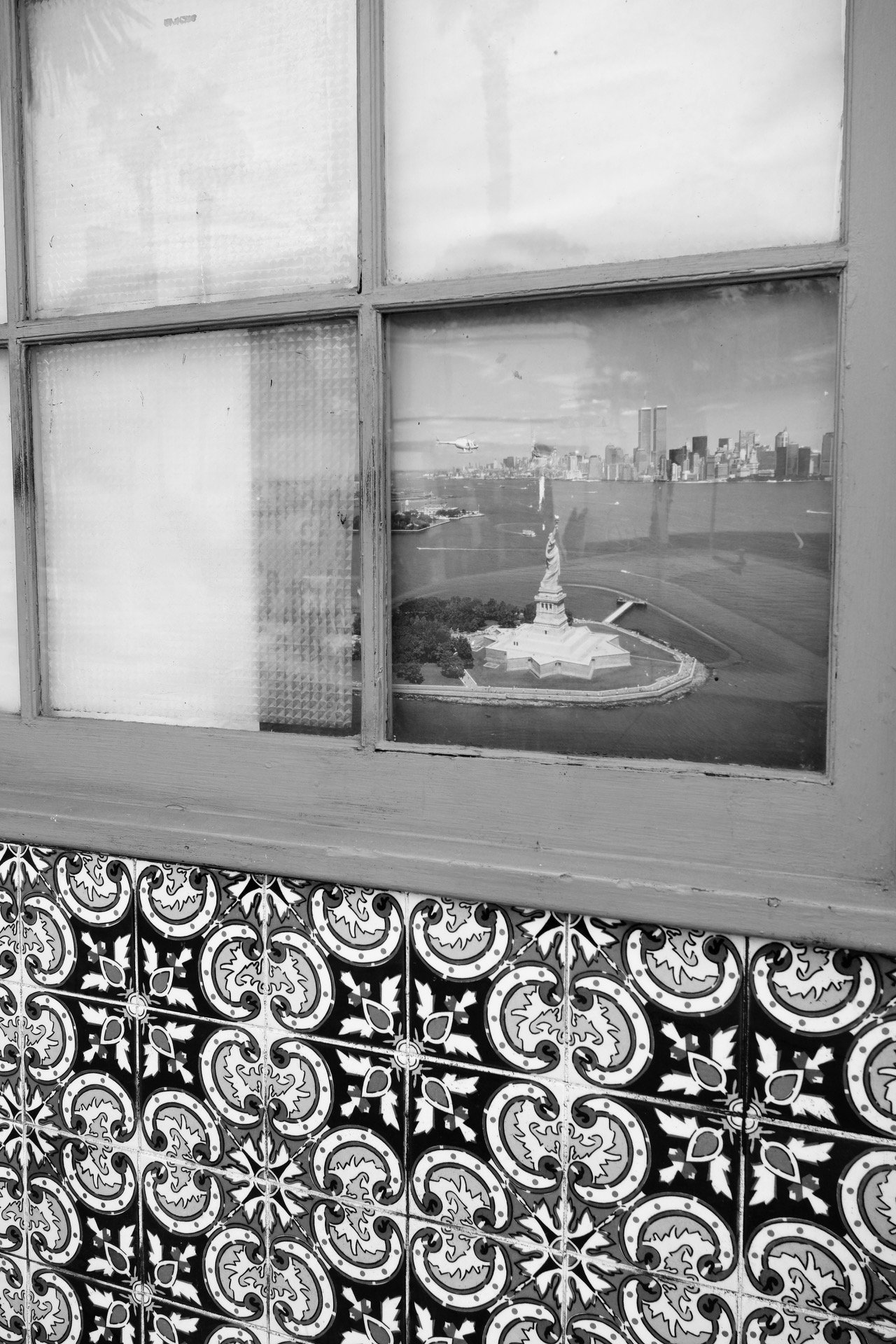
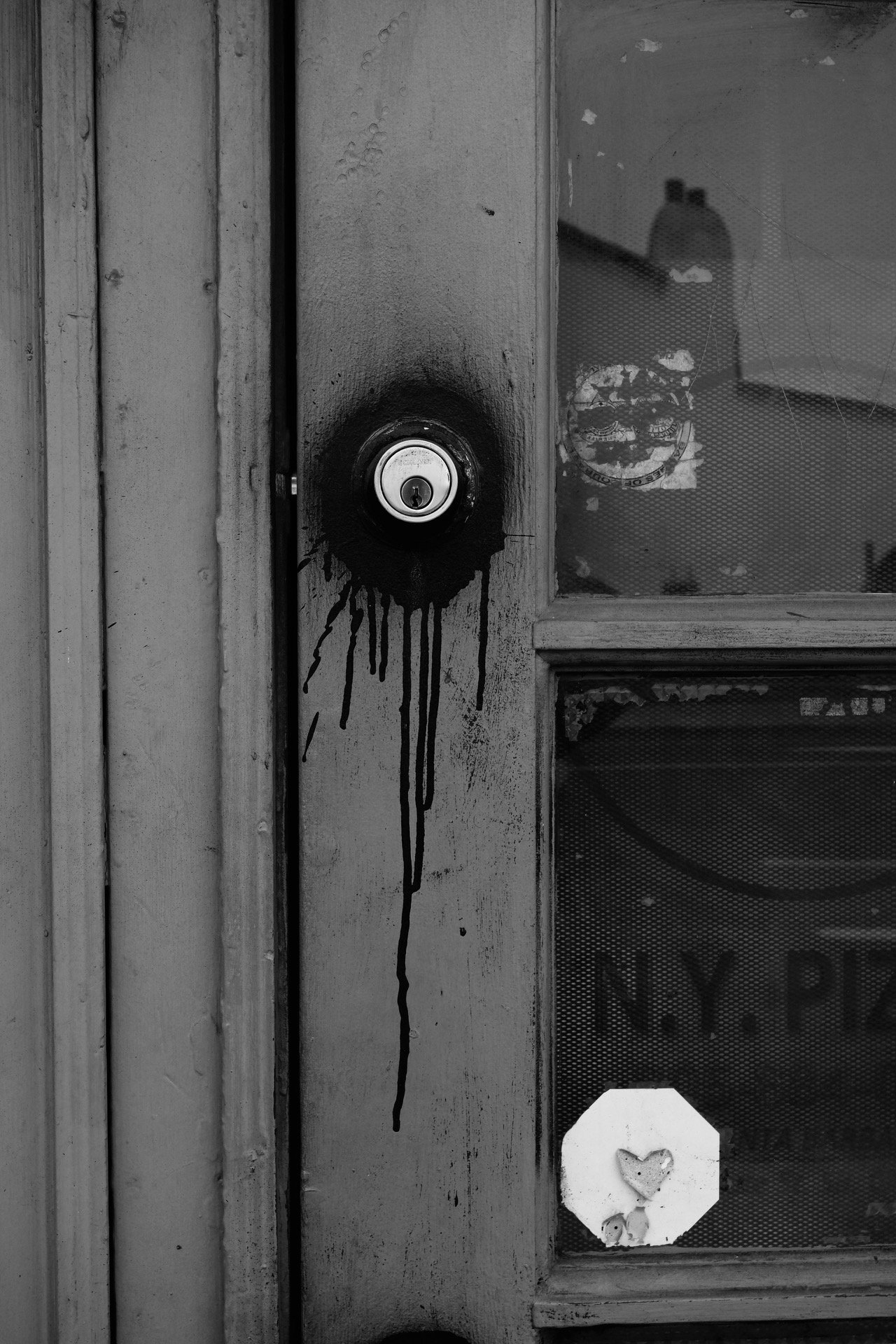
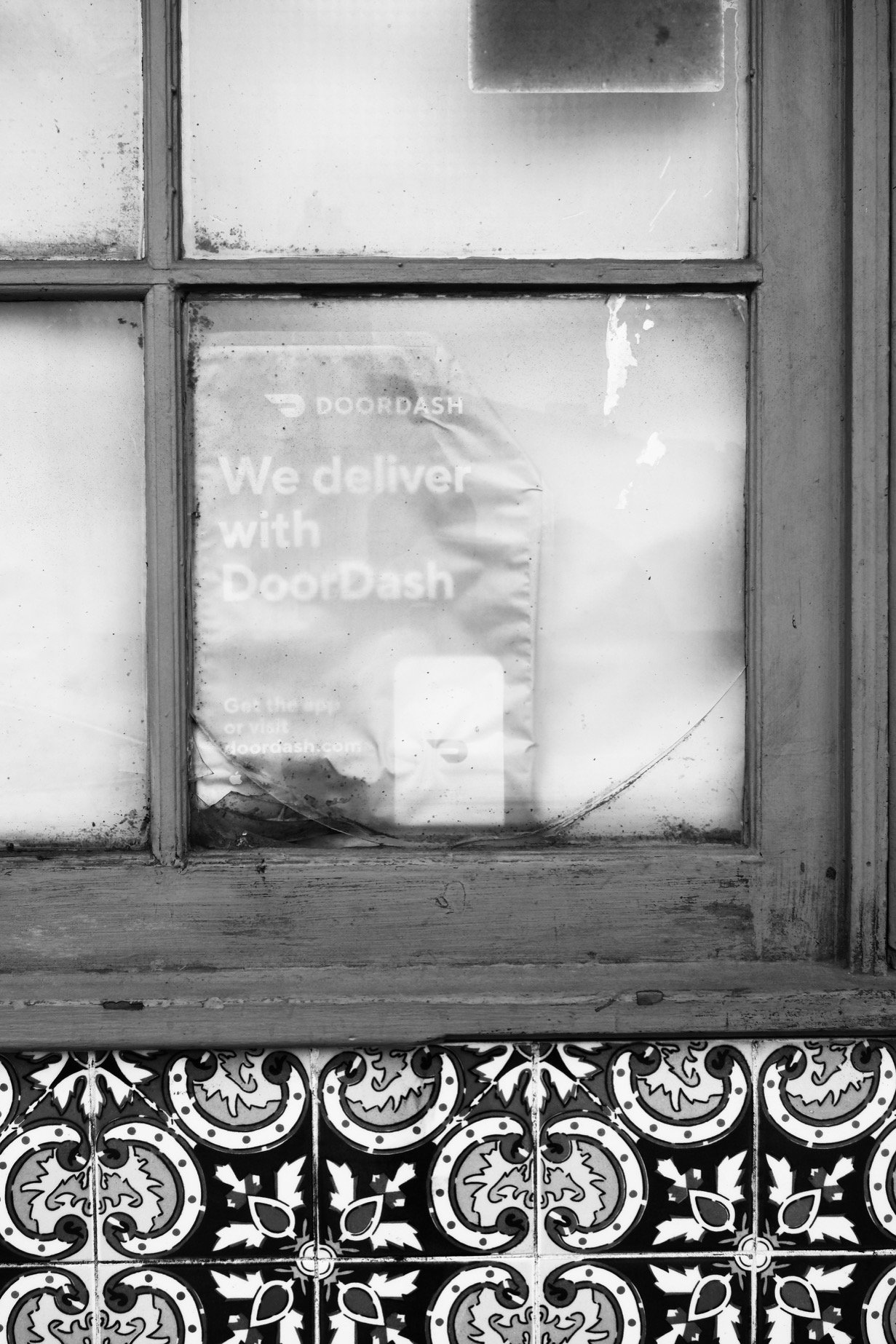
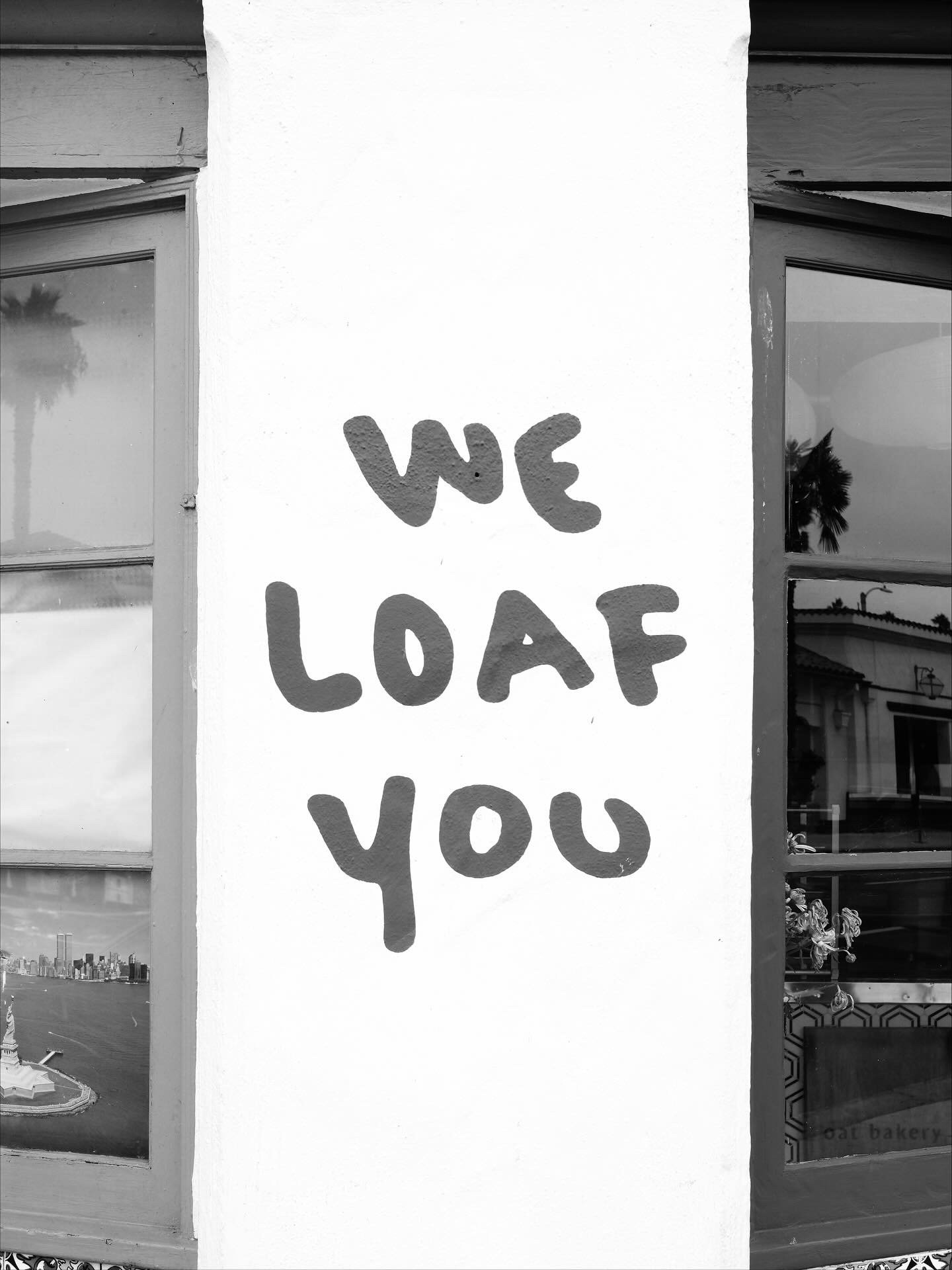
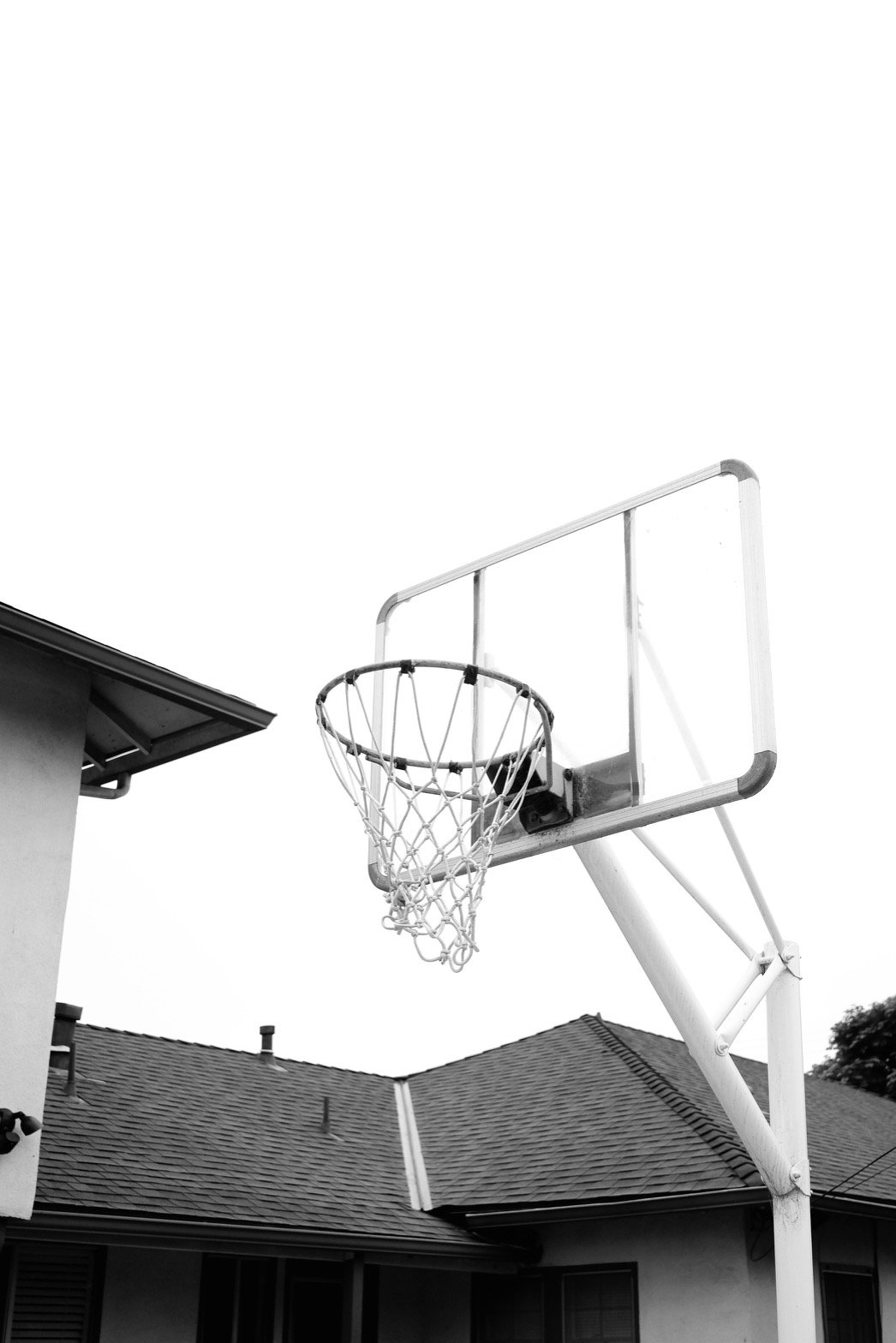
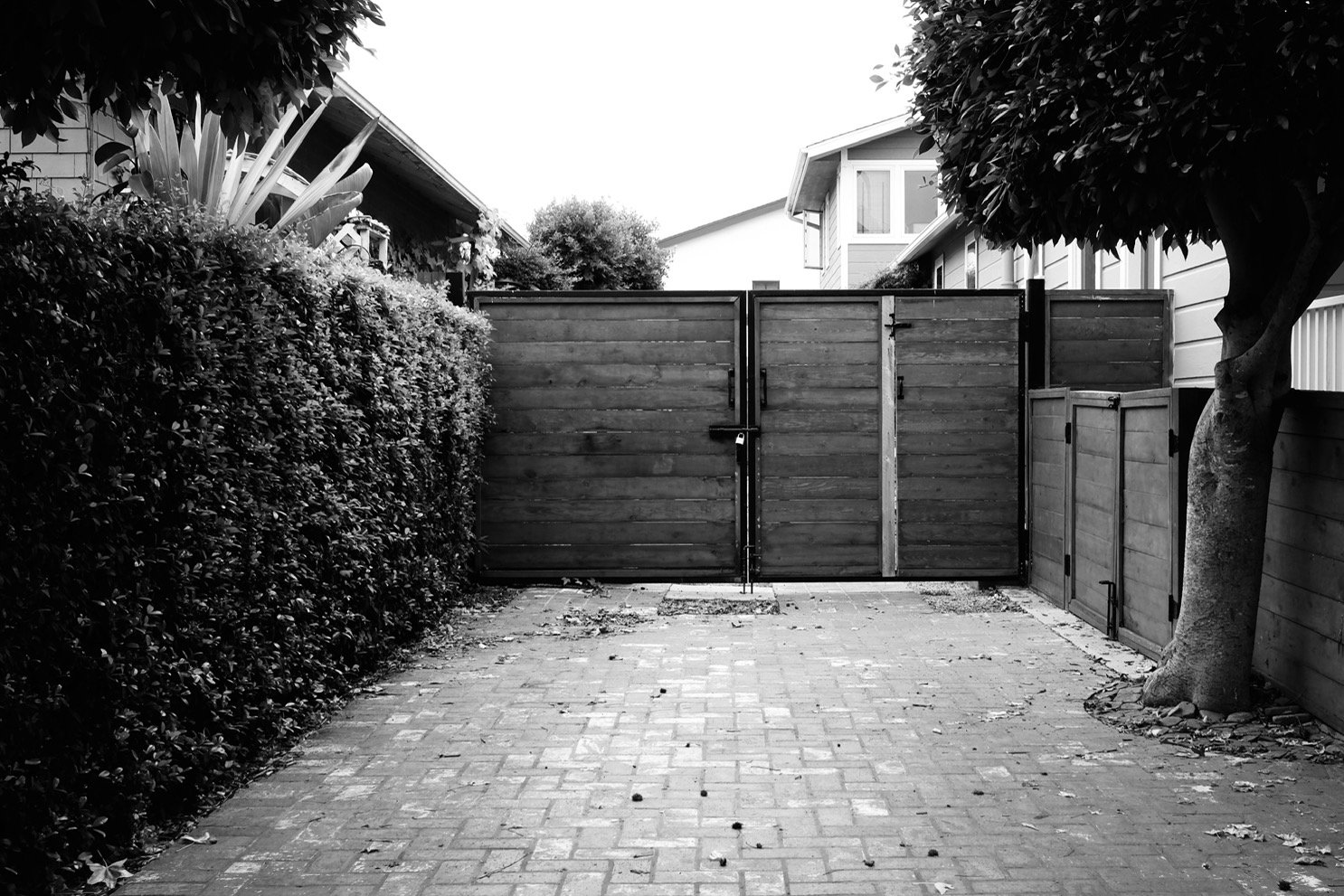
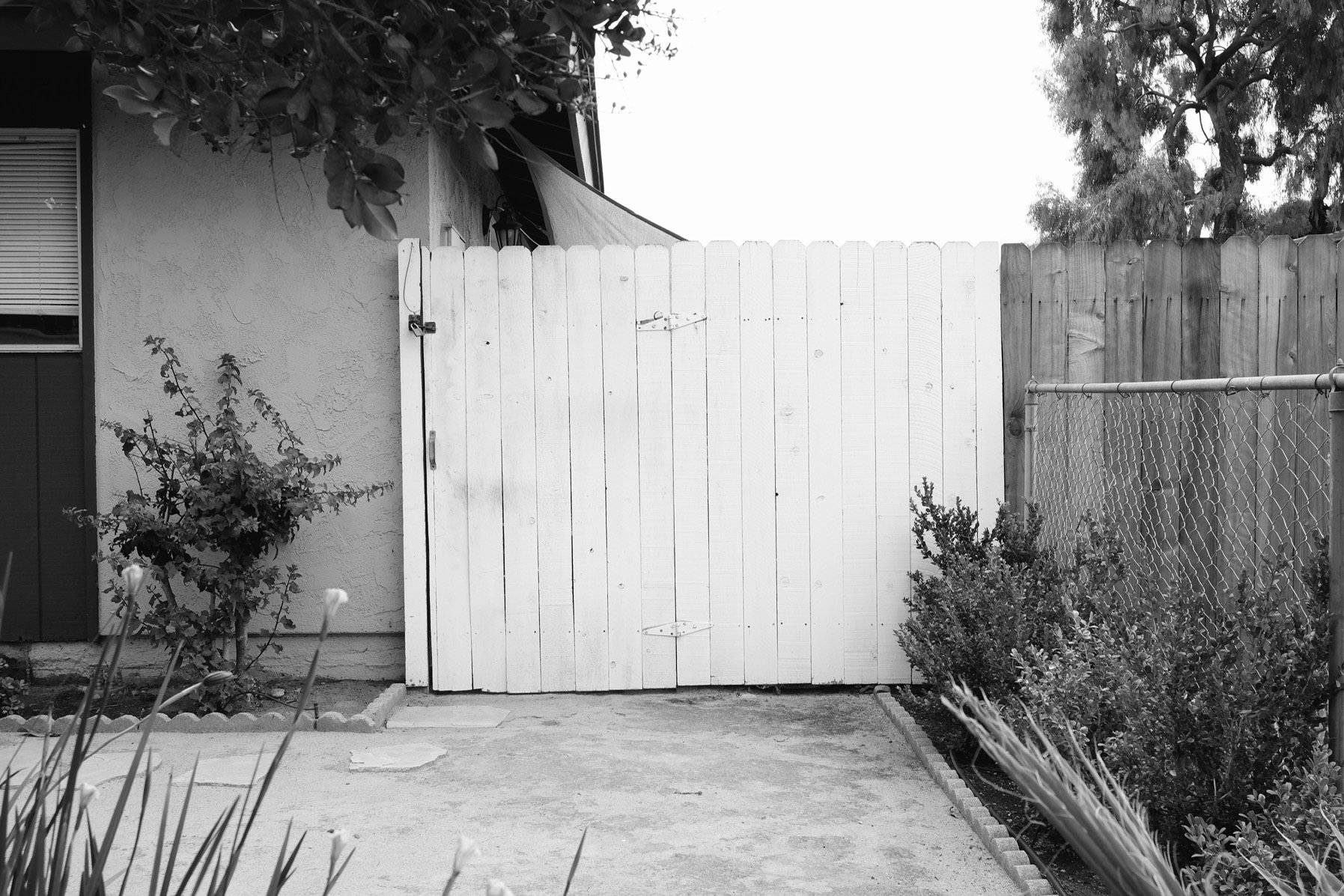
I didn’t go out looking for anything in particular — just light, texture, and a bit of stillness. I took these photos on a quiet morning walk — just small moments that caught my eye. A bakery sign that says “We loaf you,” an old basketball hoop, a worn door with patterned tiles. Nothing special, but each felt like a piece of everyday life worth noticing. In black and white, everything feels simpler and more honest. Just light, texture, and the calm that comes from slowing down long enough to really see things.
Sometimes the quietest moments say the most. — Aaron Bratkovics