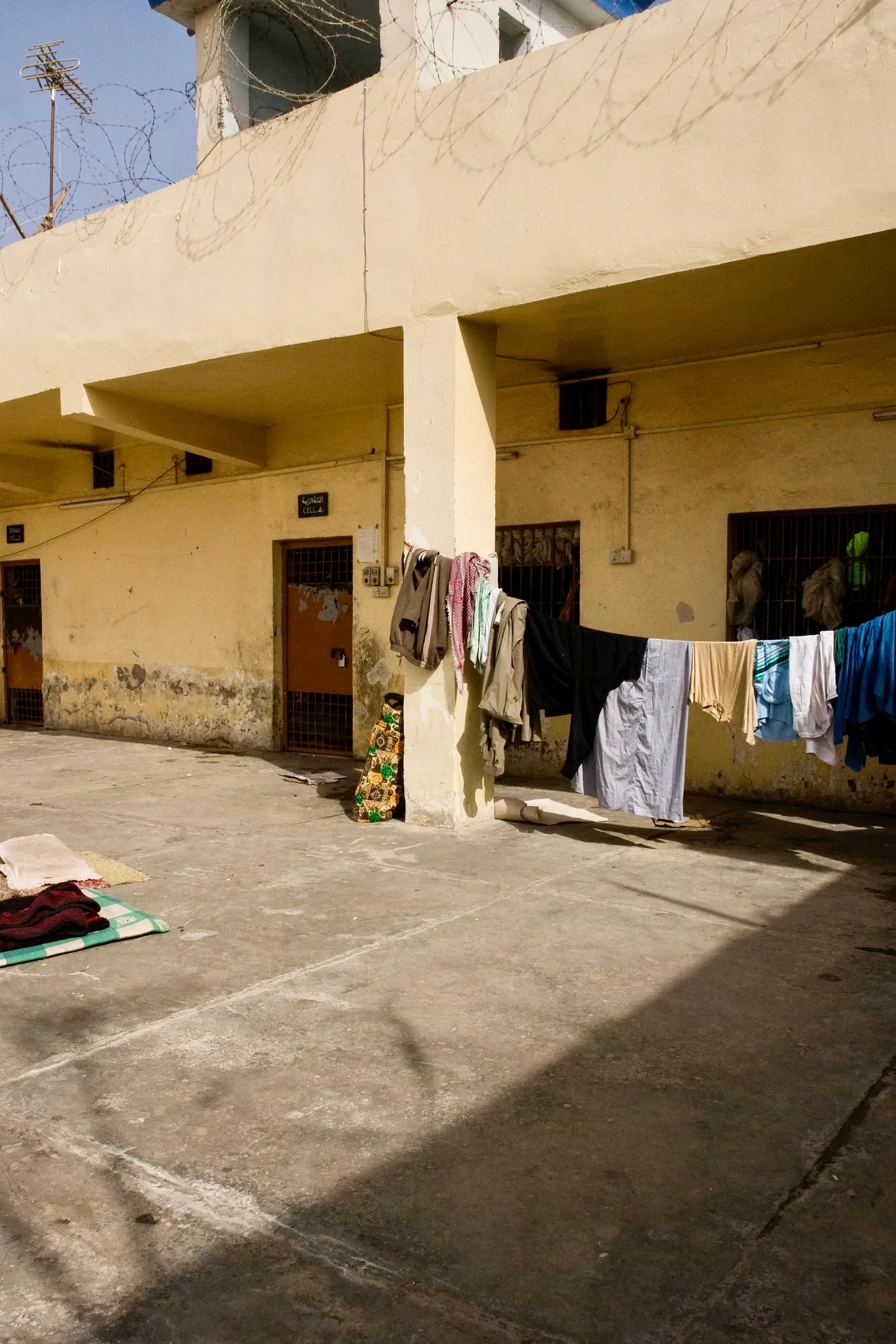
We were visiting a remote Iraqi prison to observe to understand how it functioned and to see if there was anything we could help improve. Another platoon sergeant asked to come along, partly because I had a camera and he thought it would be a good opportunity for me. After asking for permission and getting the green light from my leadership, I didn’t hesitate. I jumped at the chance. I wanted to document Americans and Iraqis working side by side small moments of cooperation inside a place most people would never see.
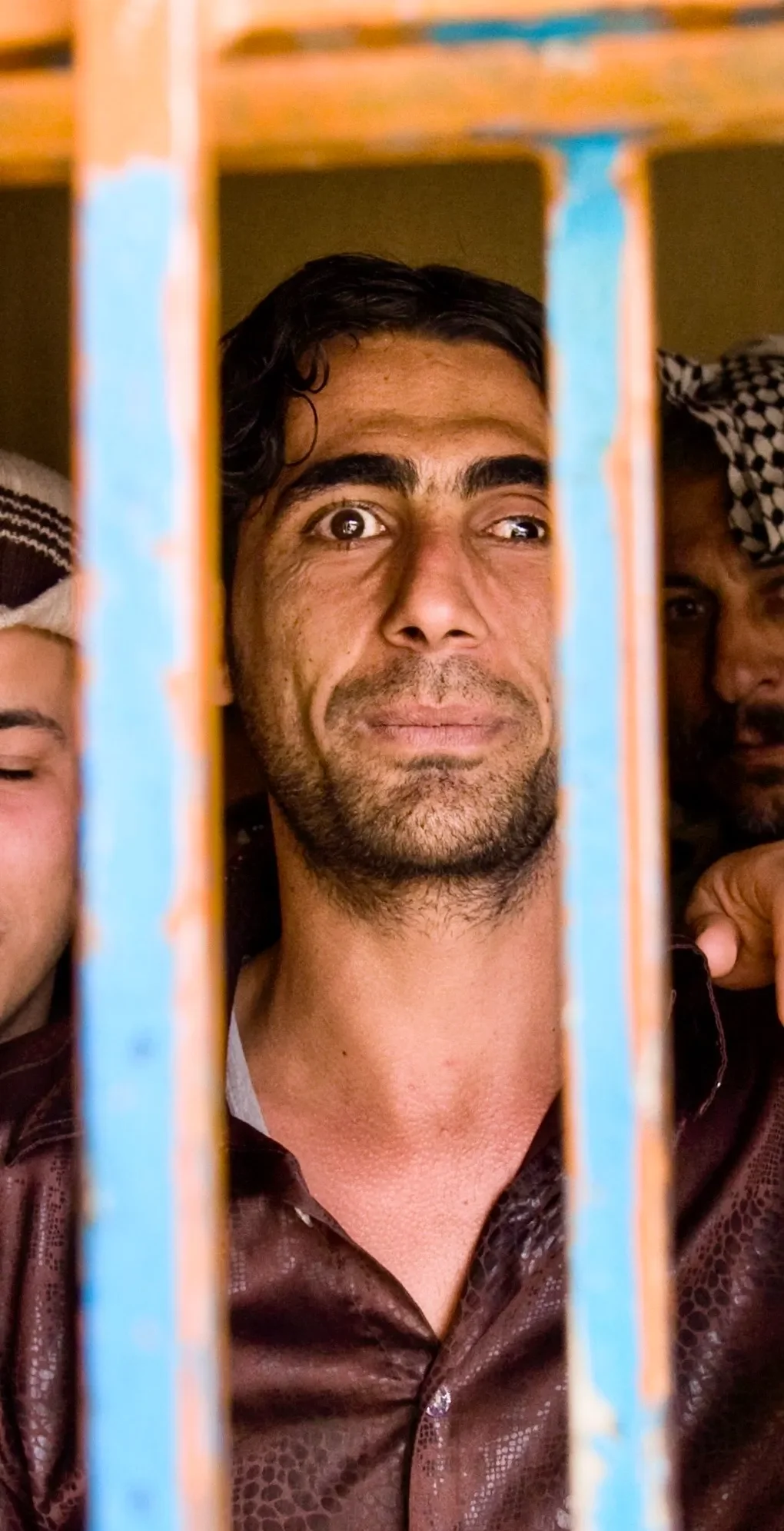
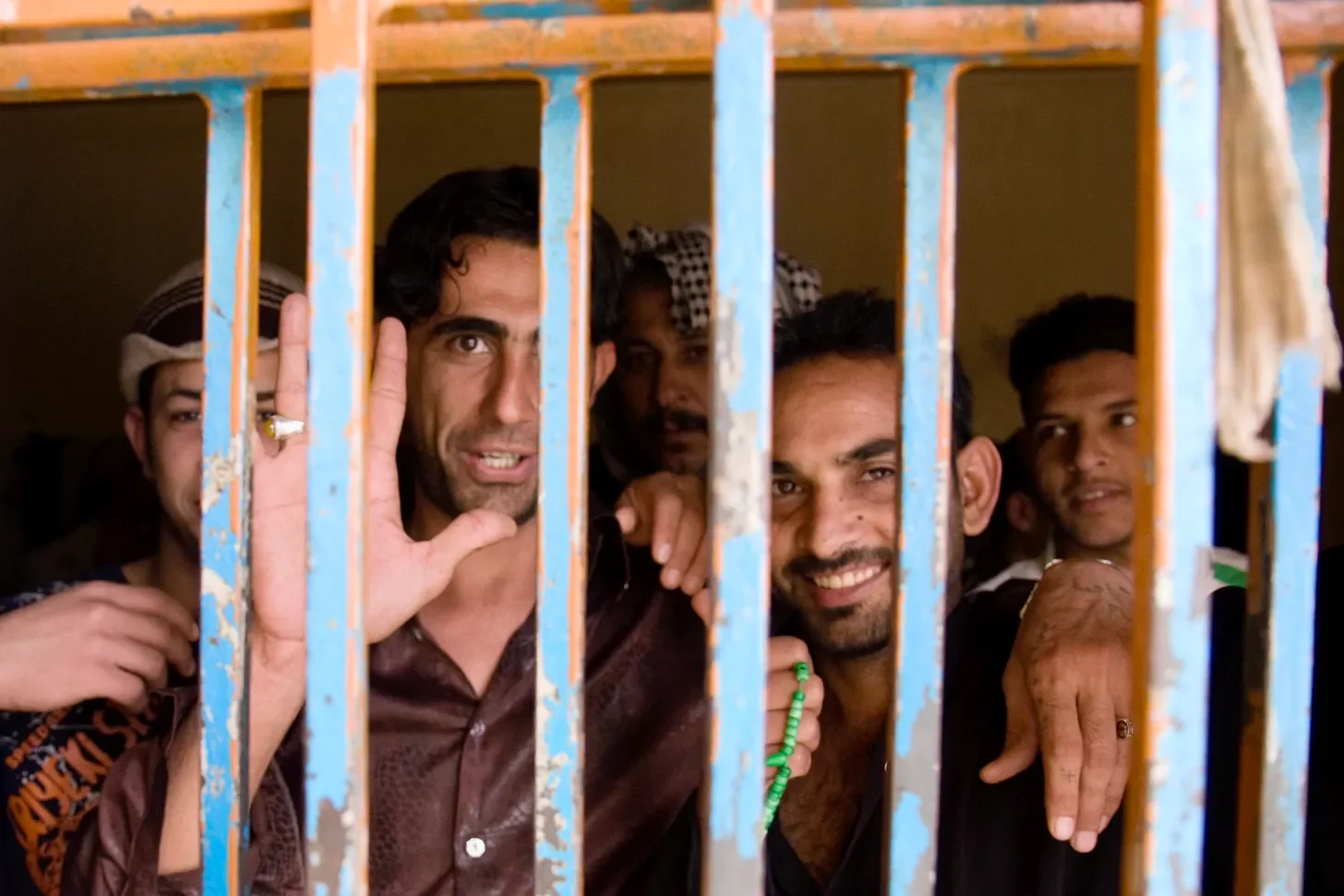
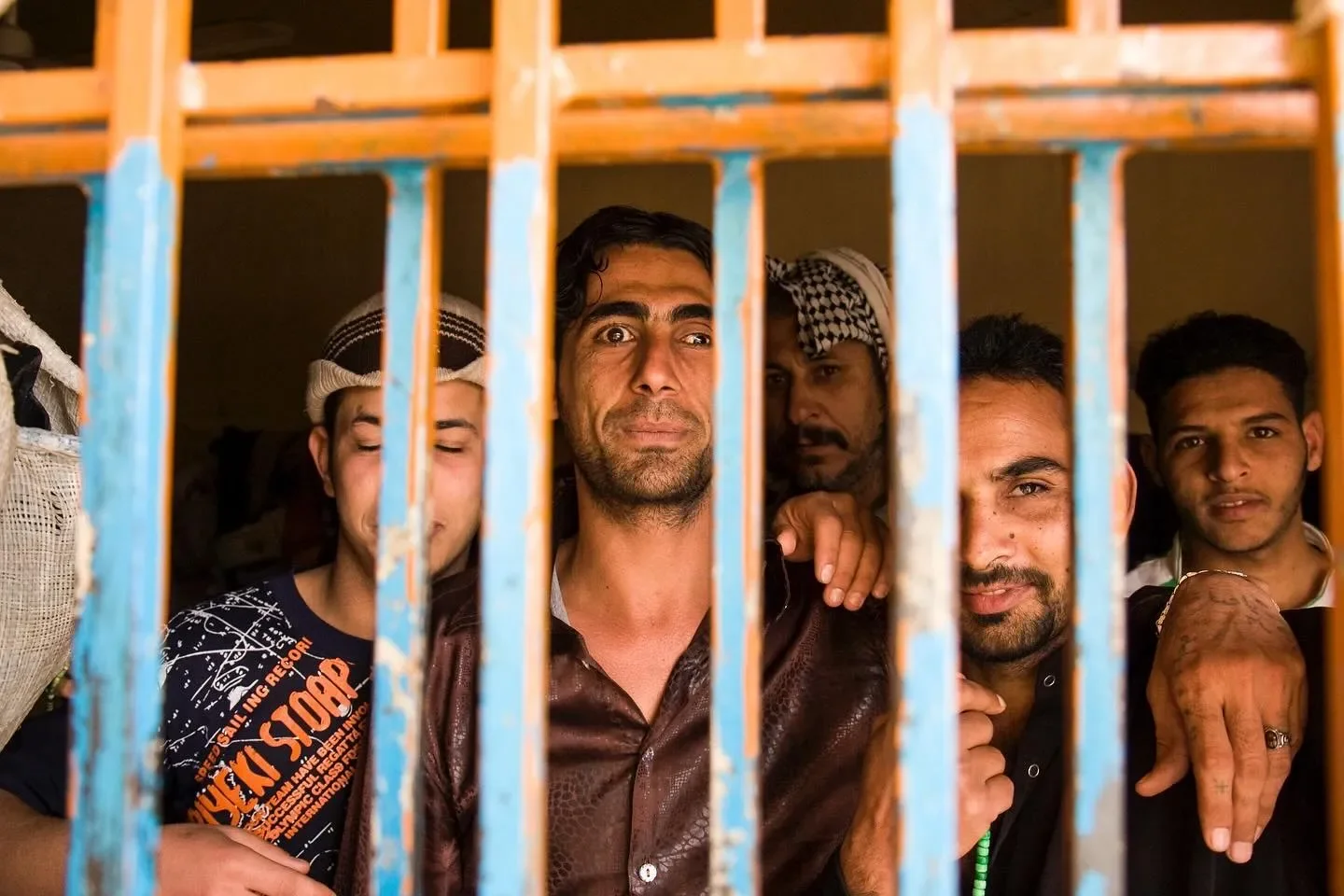
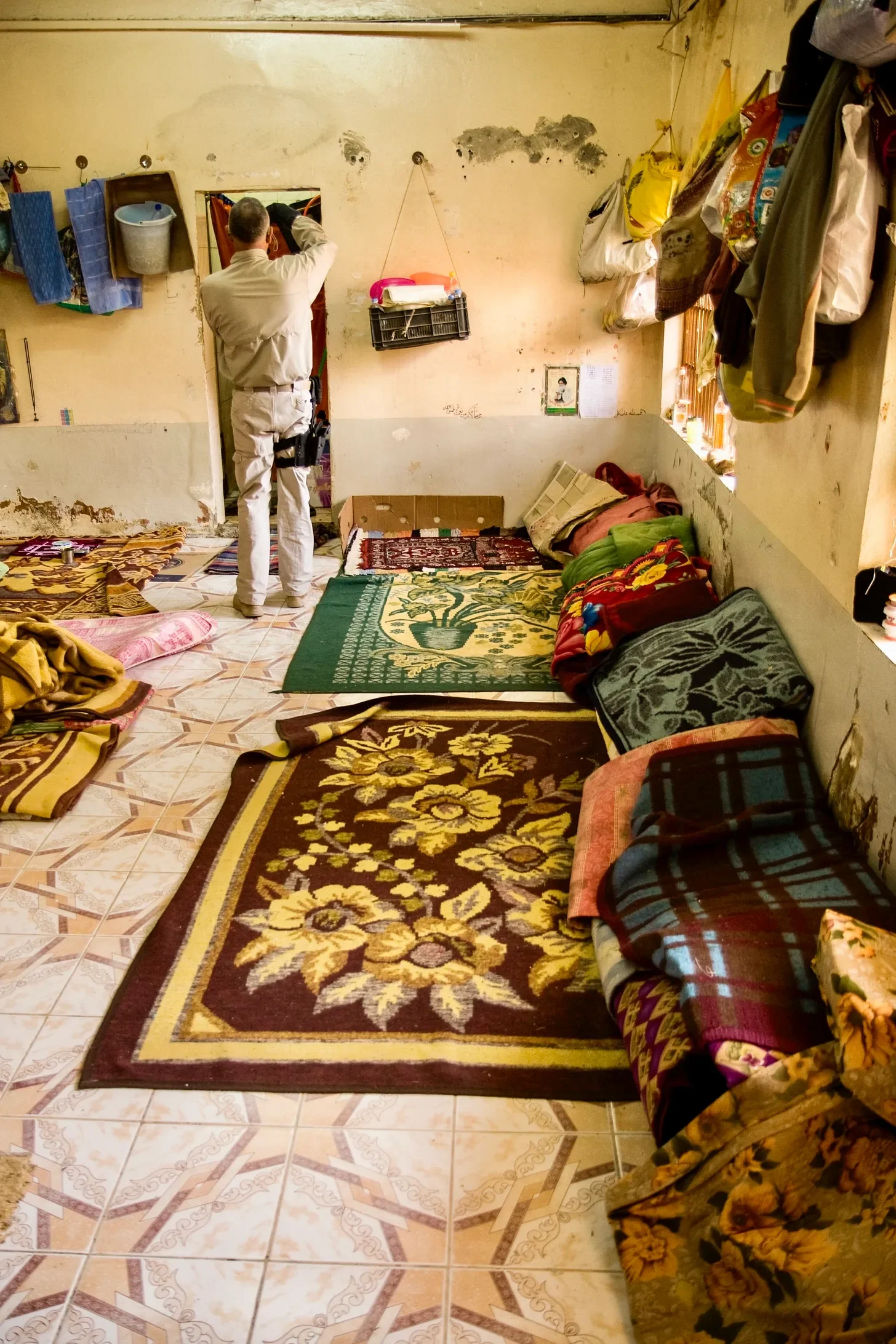
It was hot in the way that drains thought. The kind of heat that presses down and doesn’t let you forget where you are. As we approached the outpost, the conditions didn’t shock me. By then, shock had already burned off. What stopped me was the math of it all the range of ages, the number of bodies packed into rooms never meant to hold that many lives.
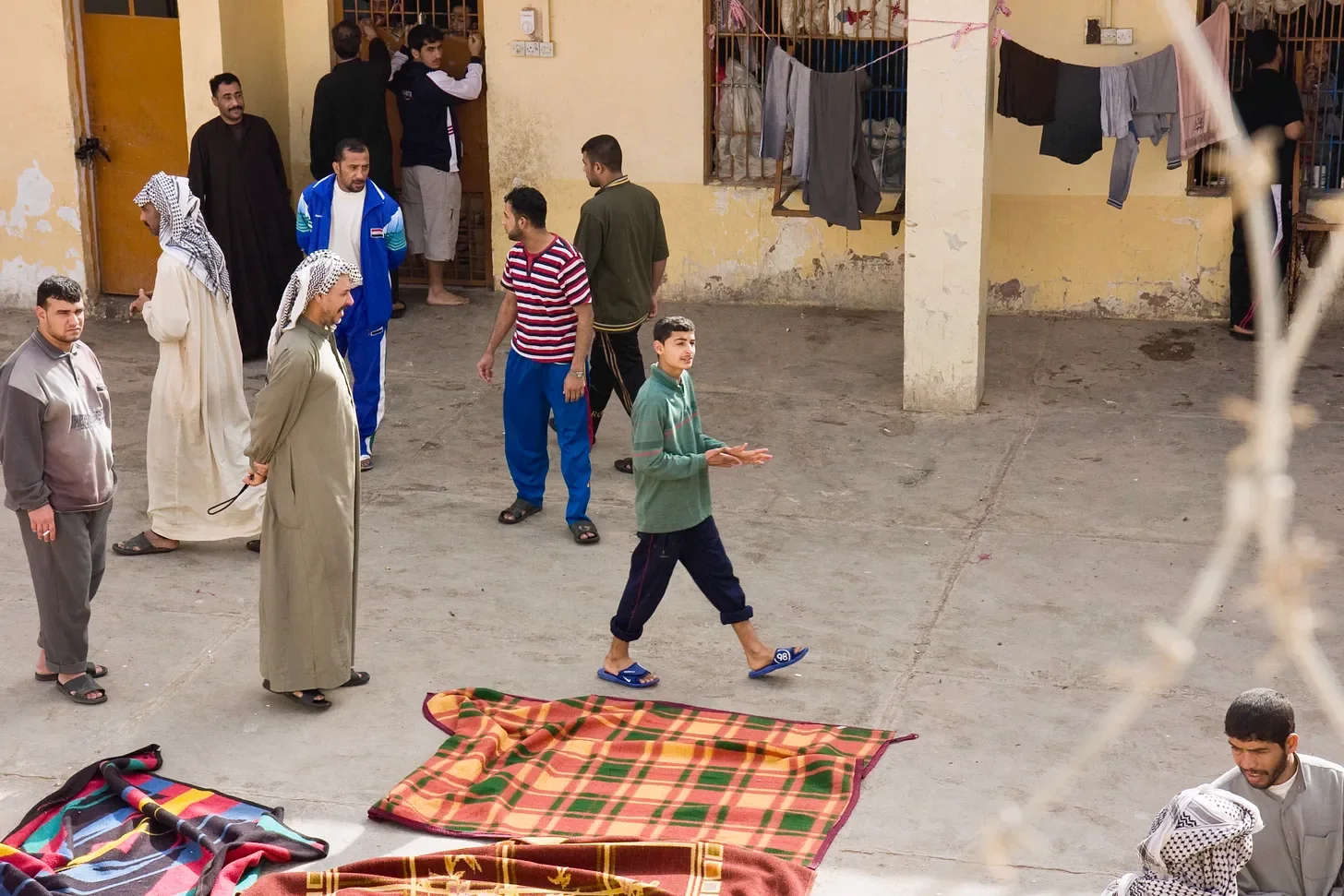
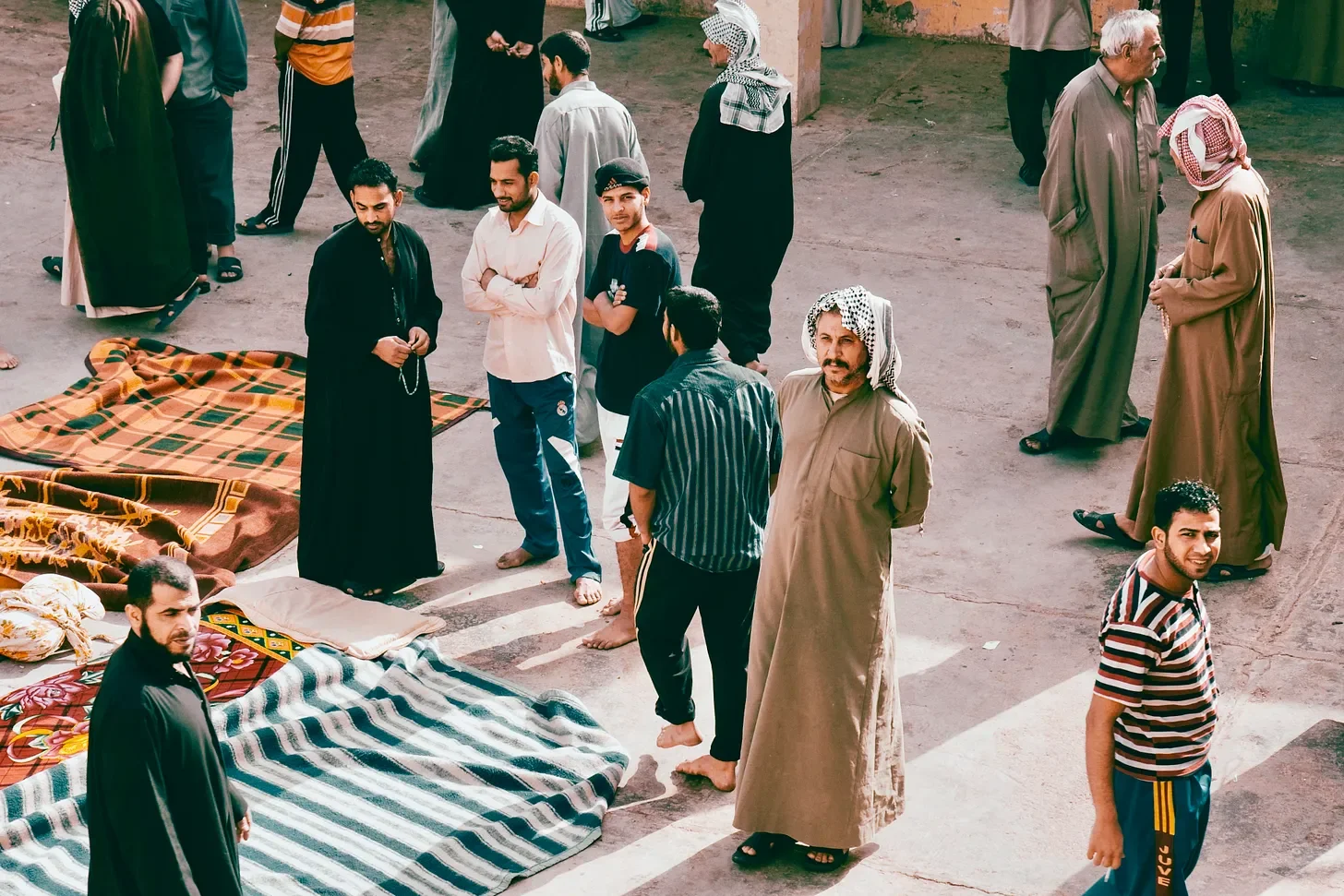
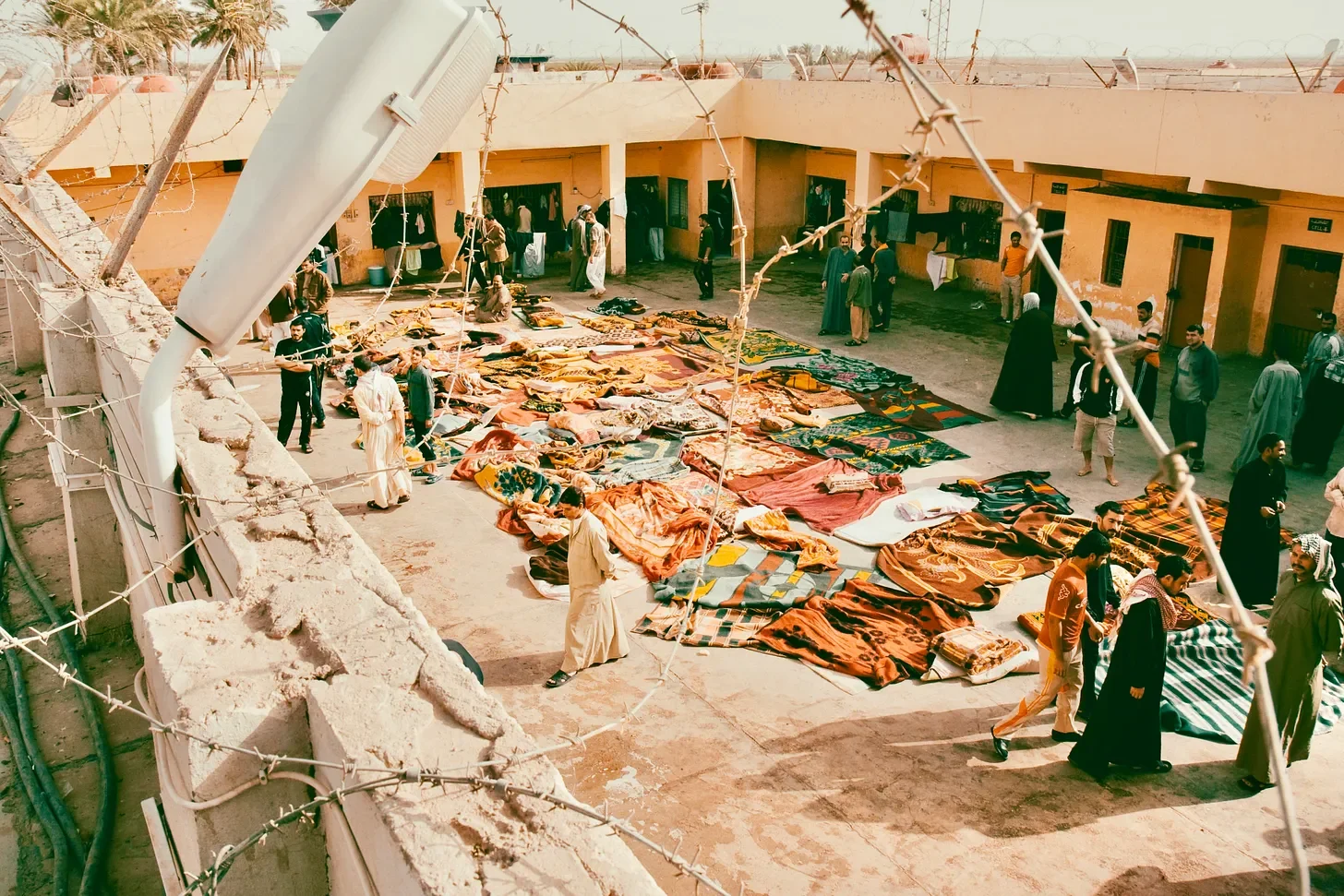
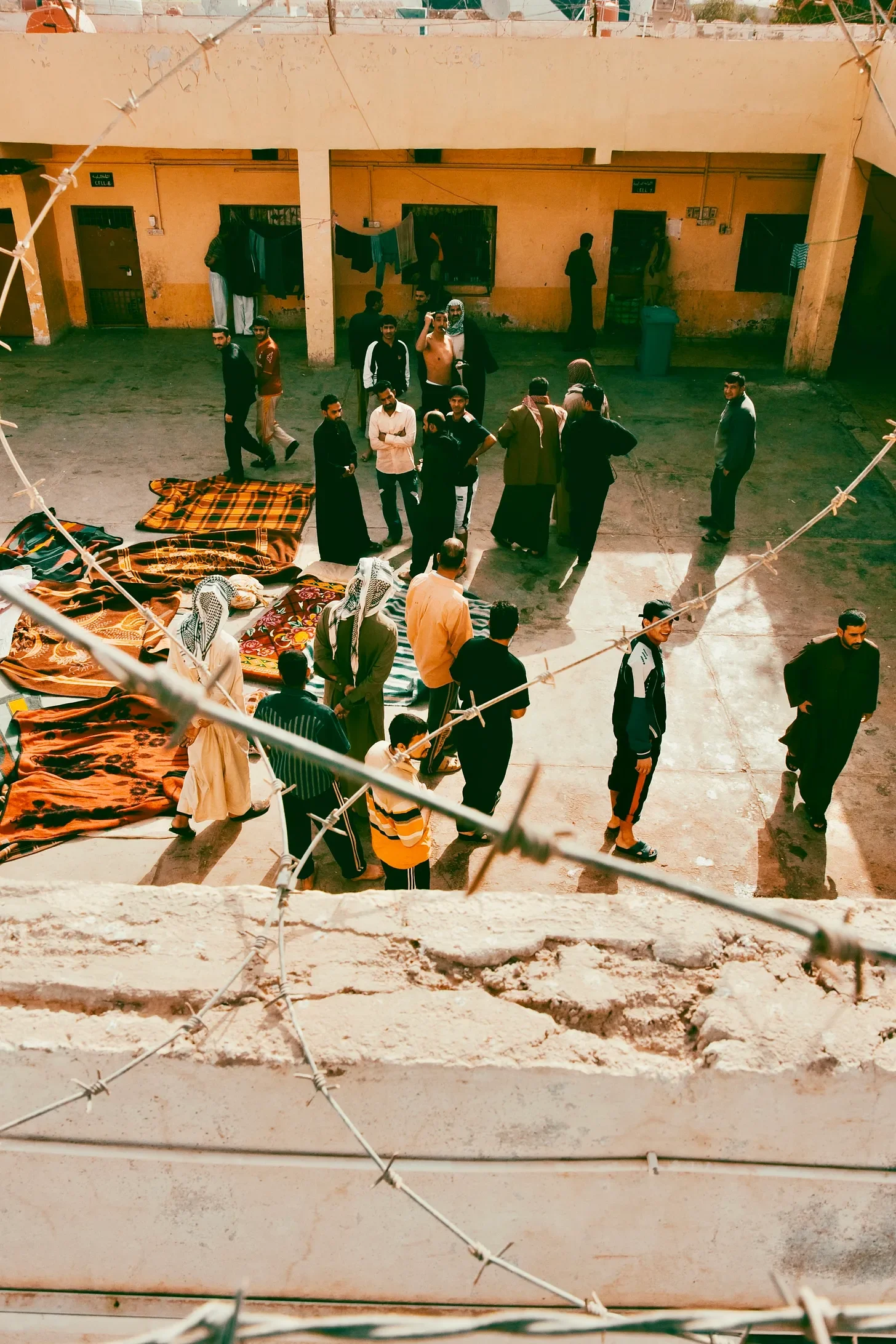
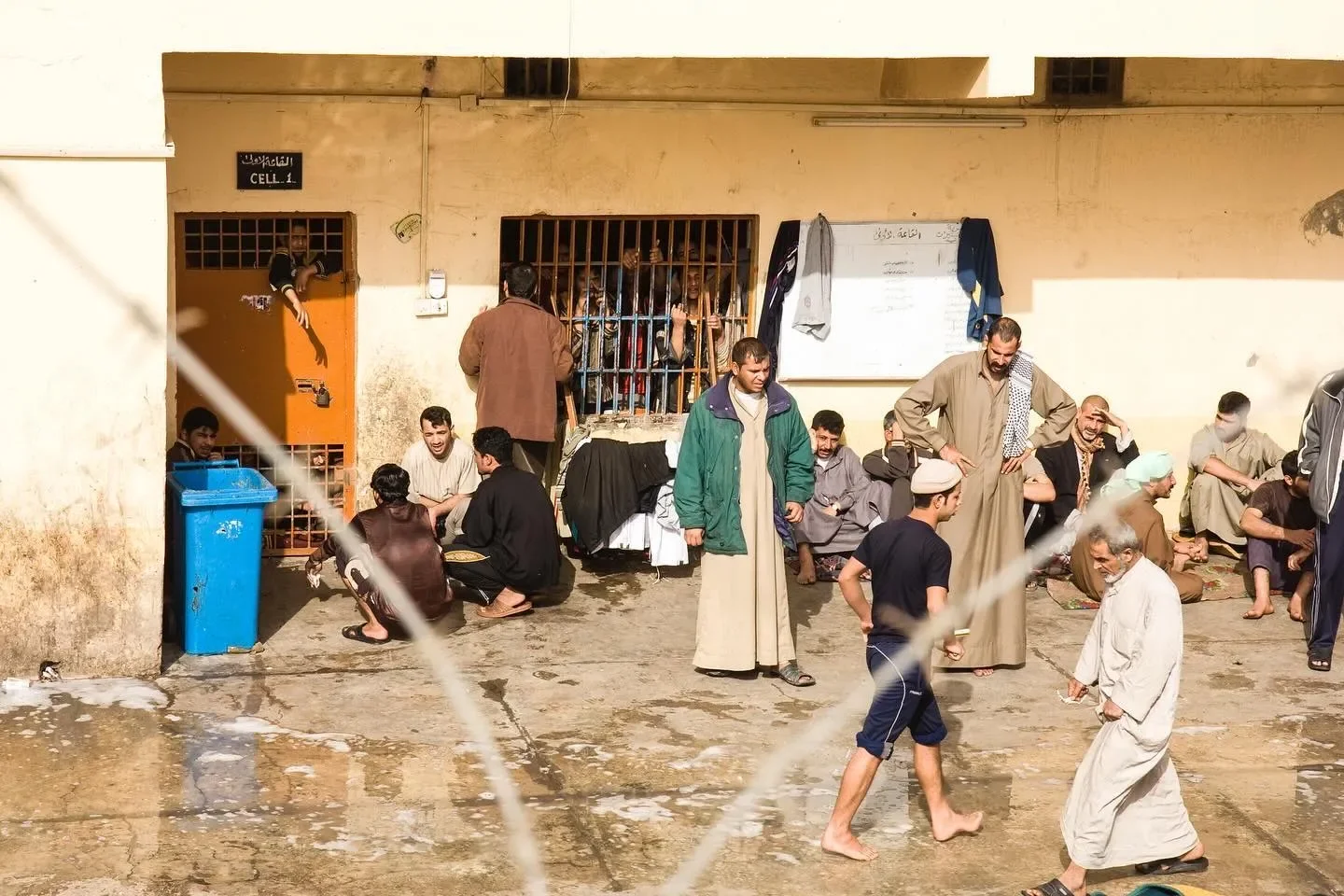
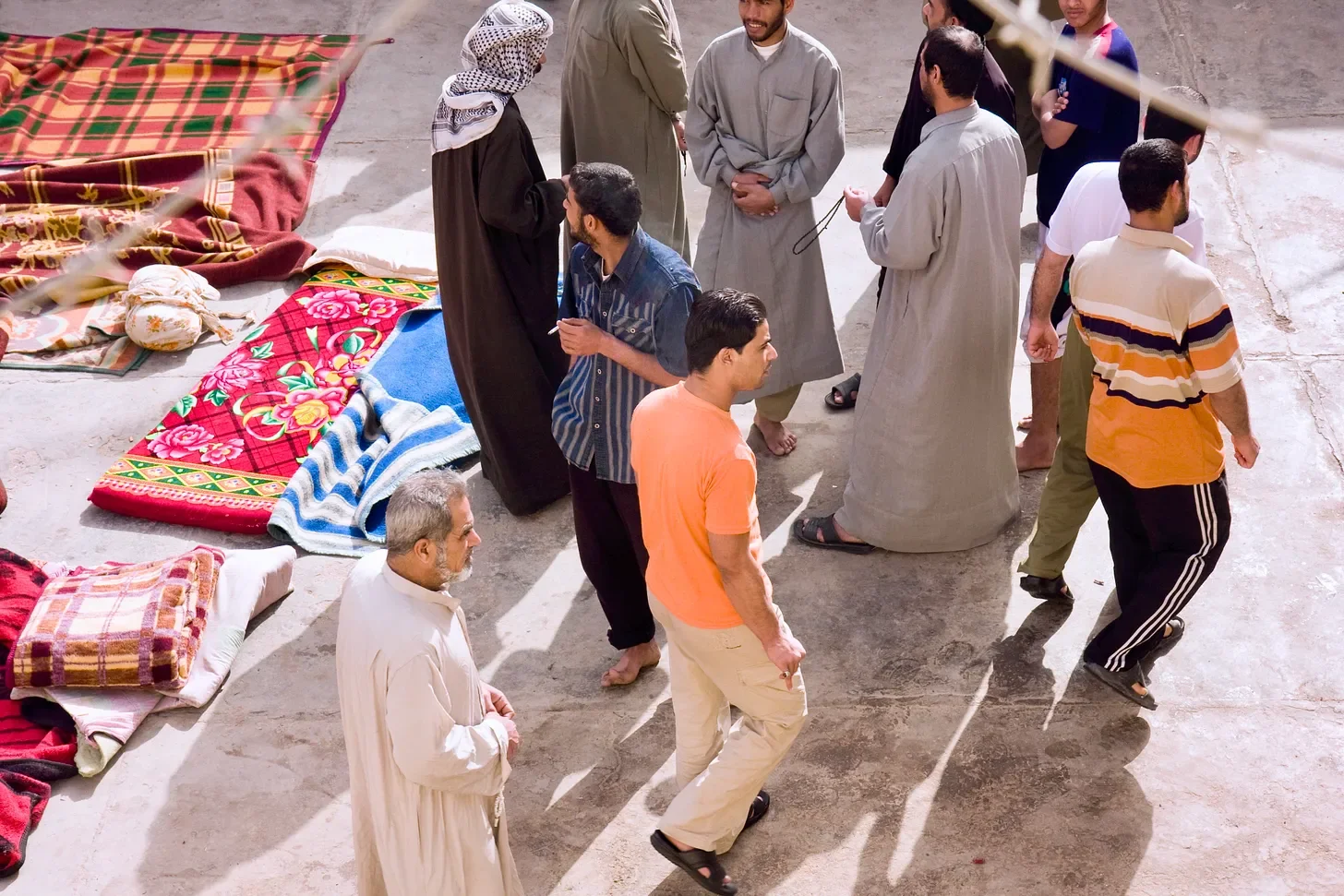
Too many people. Too little space. No privacy. No quiet.
I photographed it in color because black and white would have lied. Color showed the dust on the walls, the sweat on skin, the stains that never come out. It showed that this wasn’t symbolic or abstract. This was daily life. This was heat and concrete and time stretching endlessly forward.
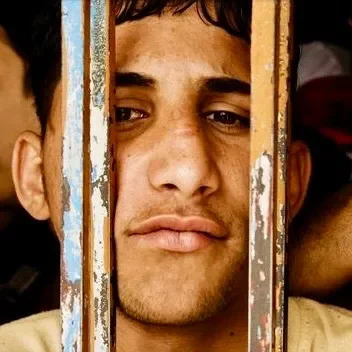
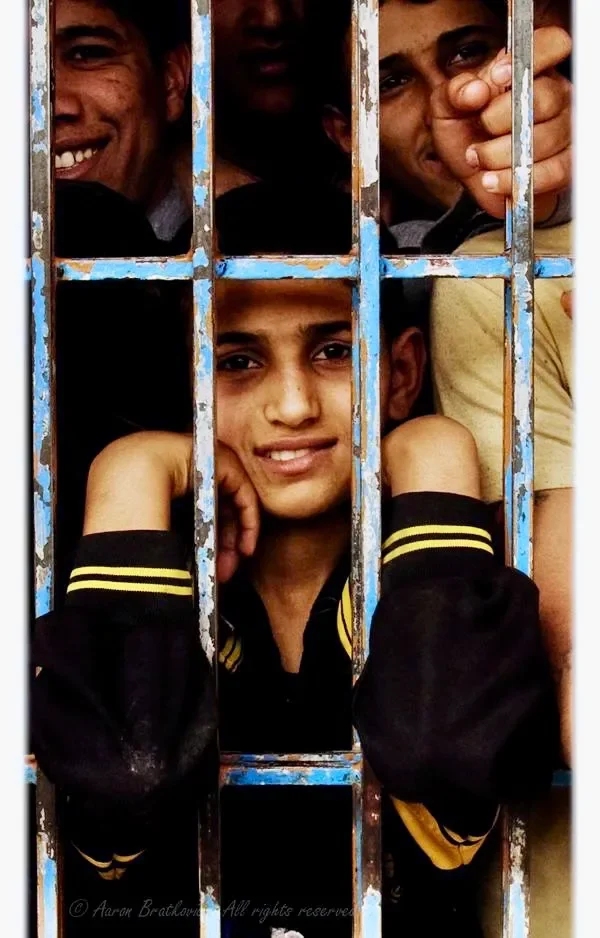
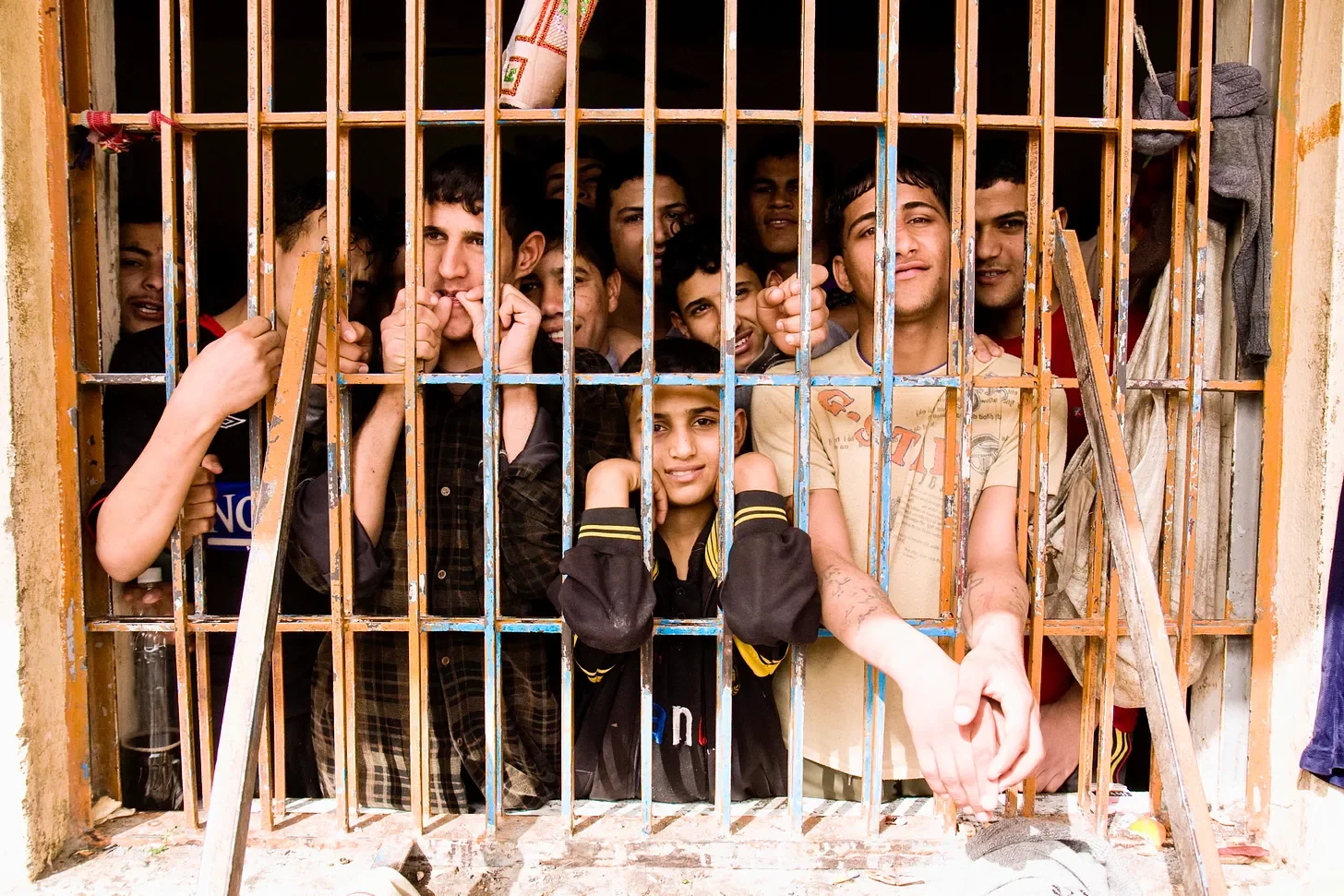
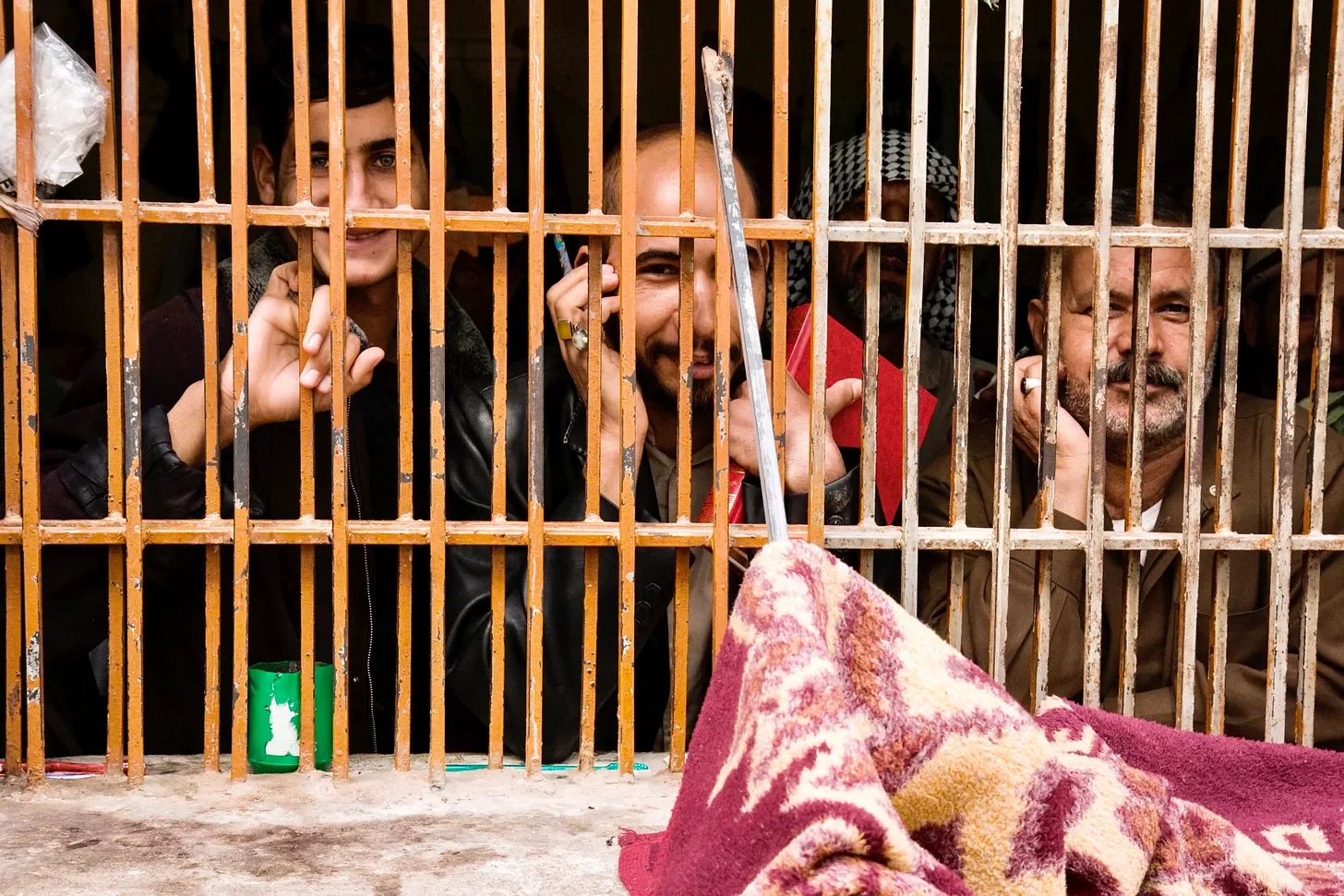
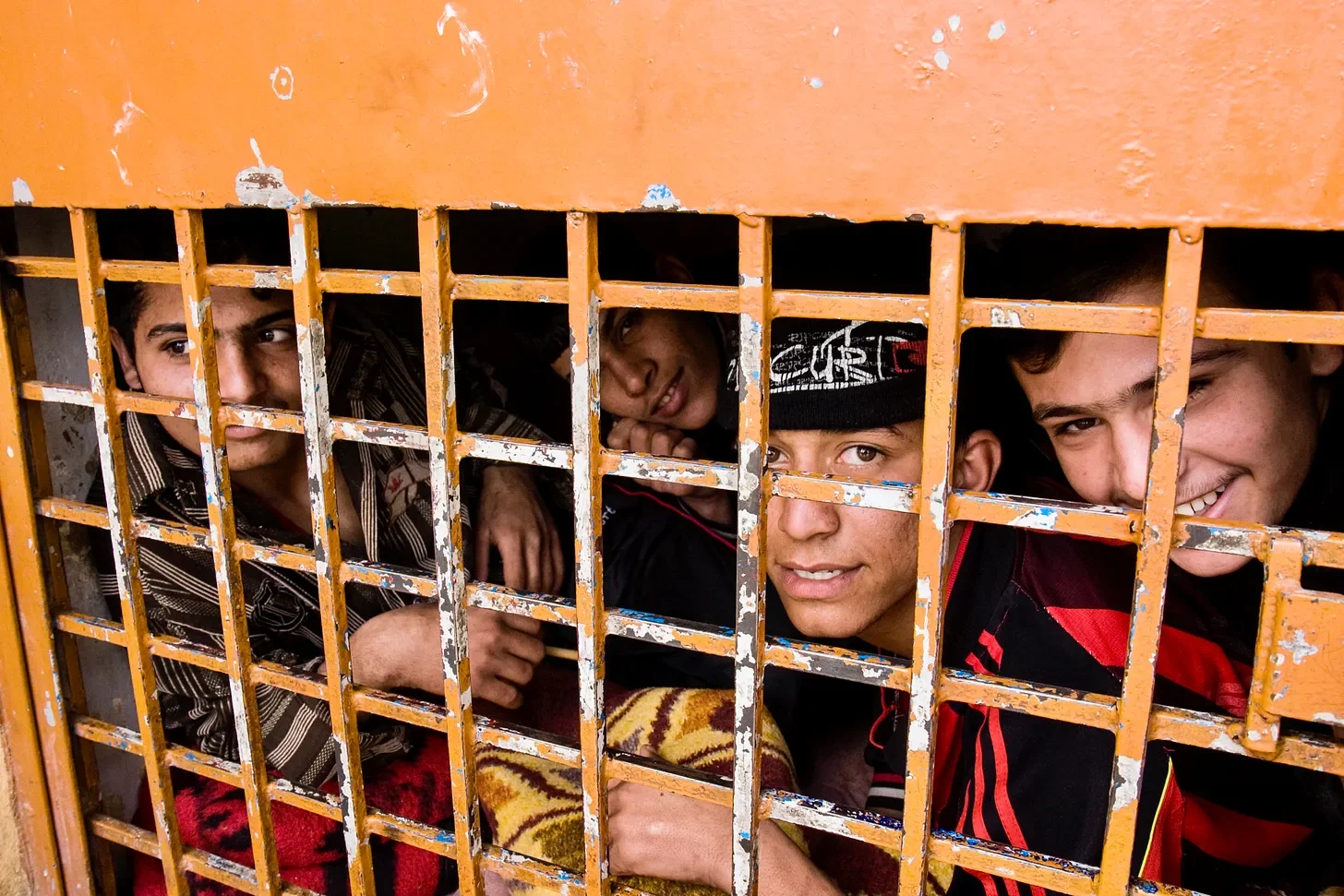
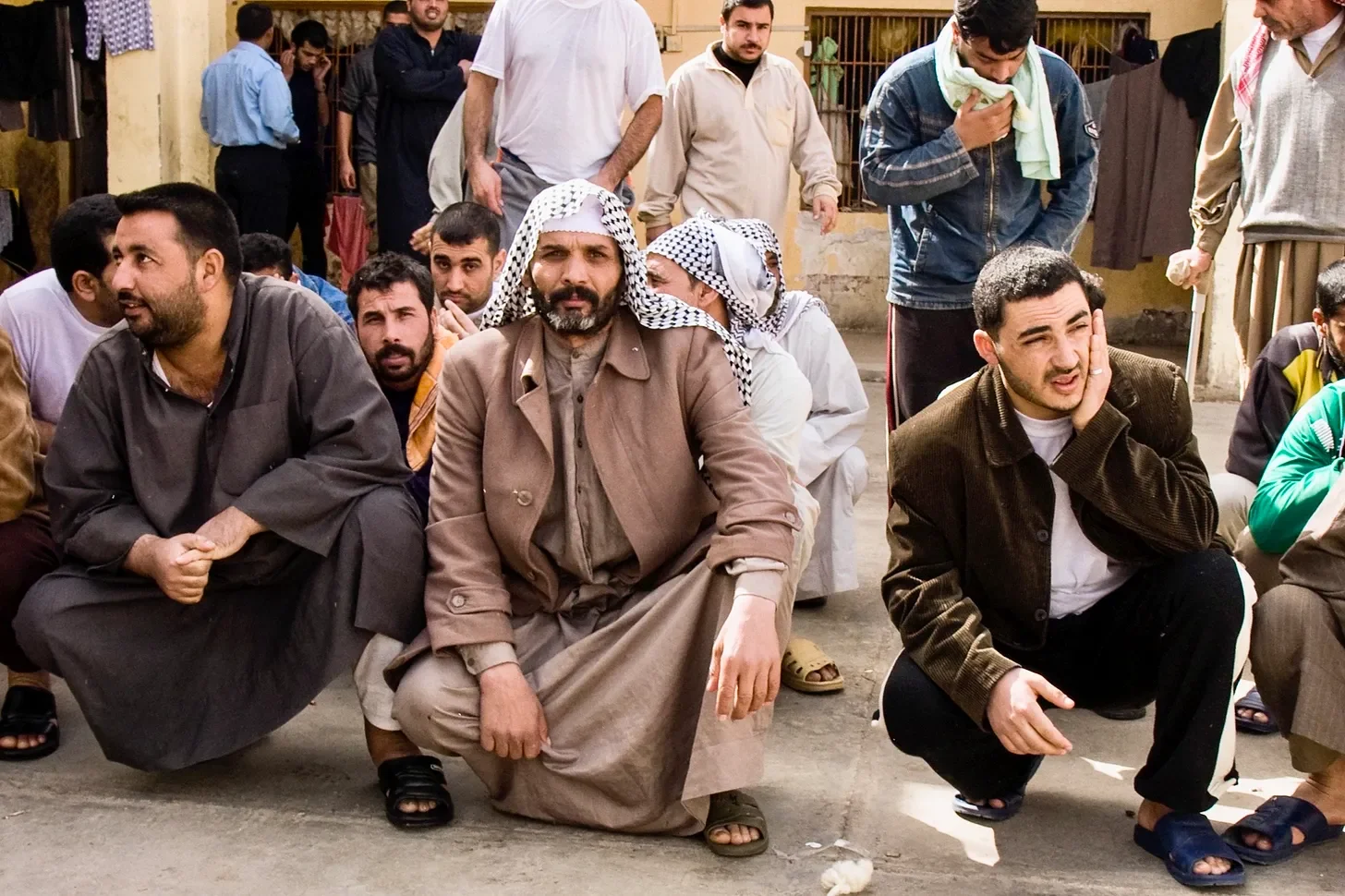
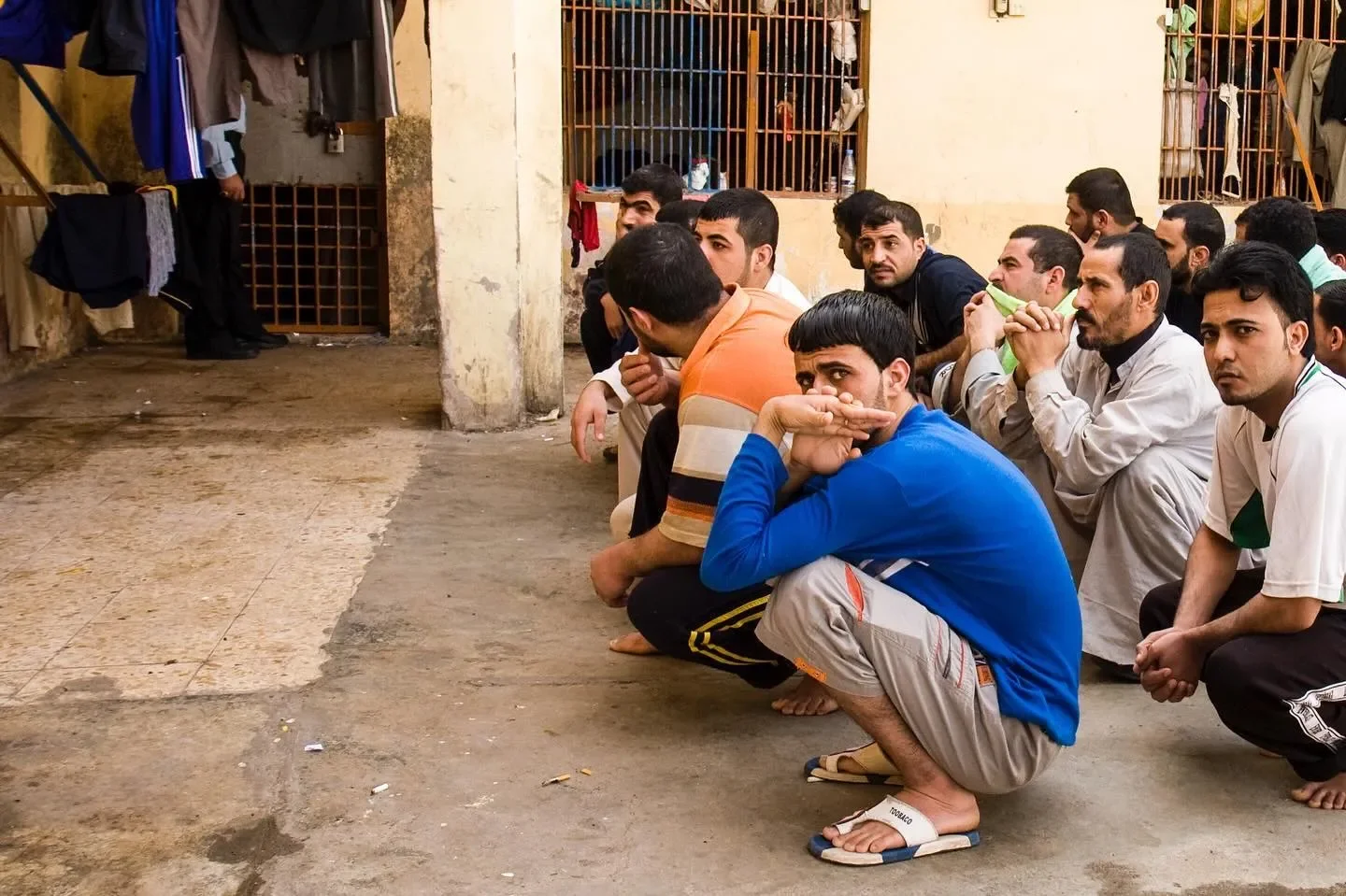
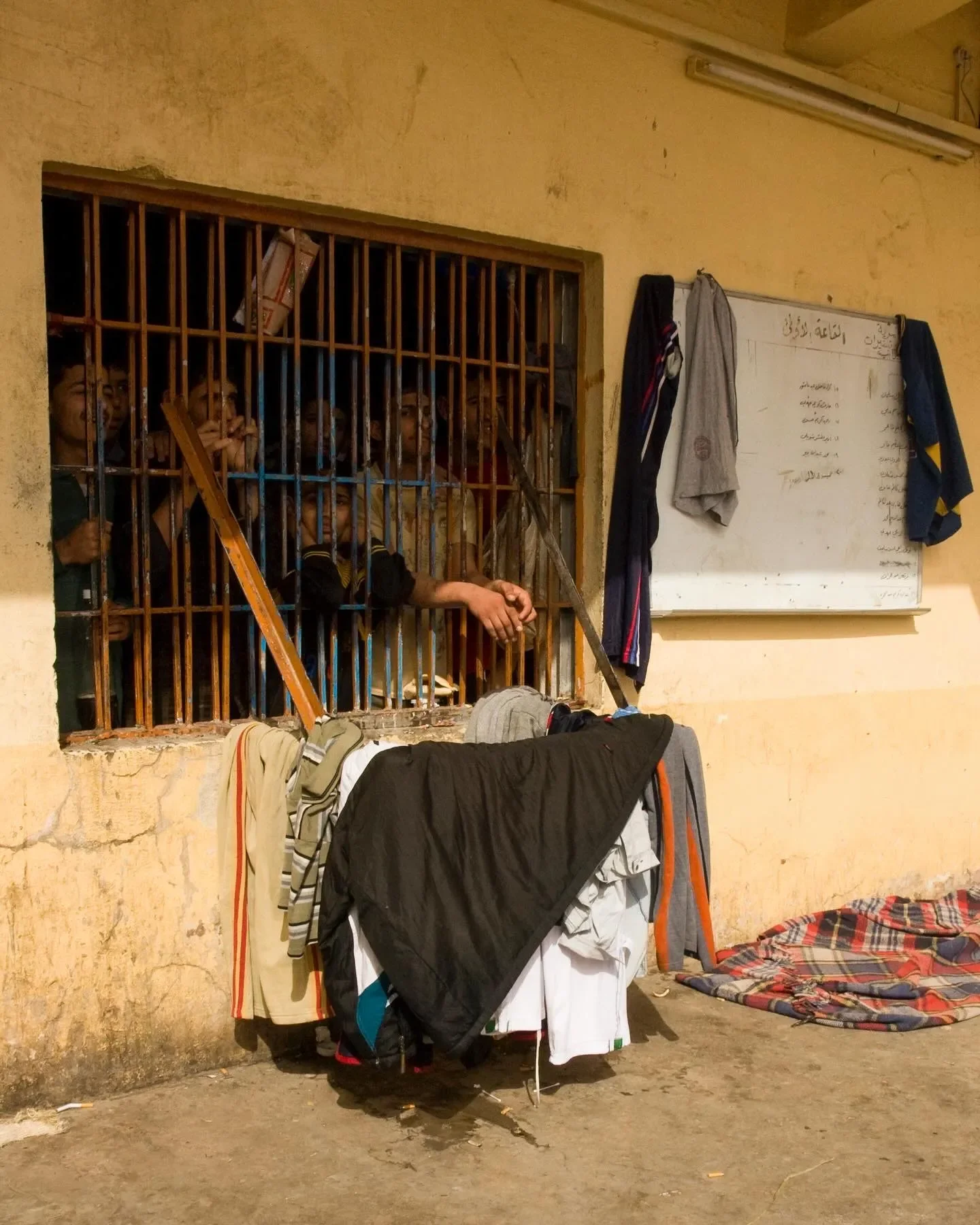
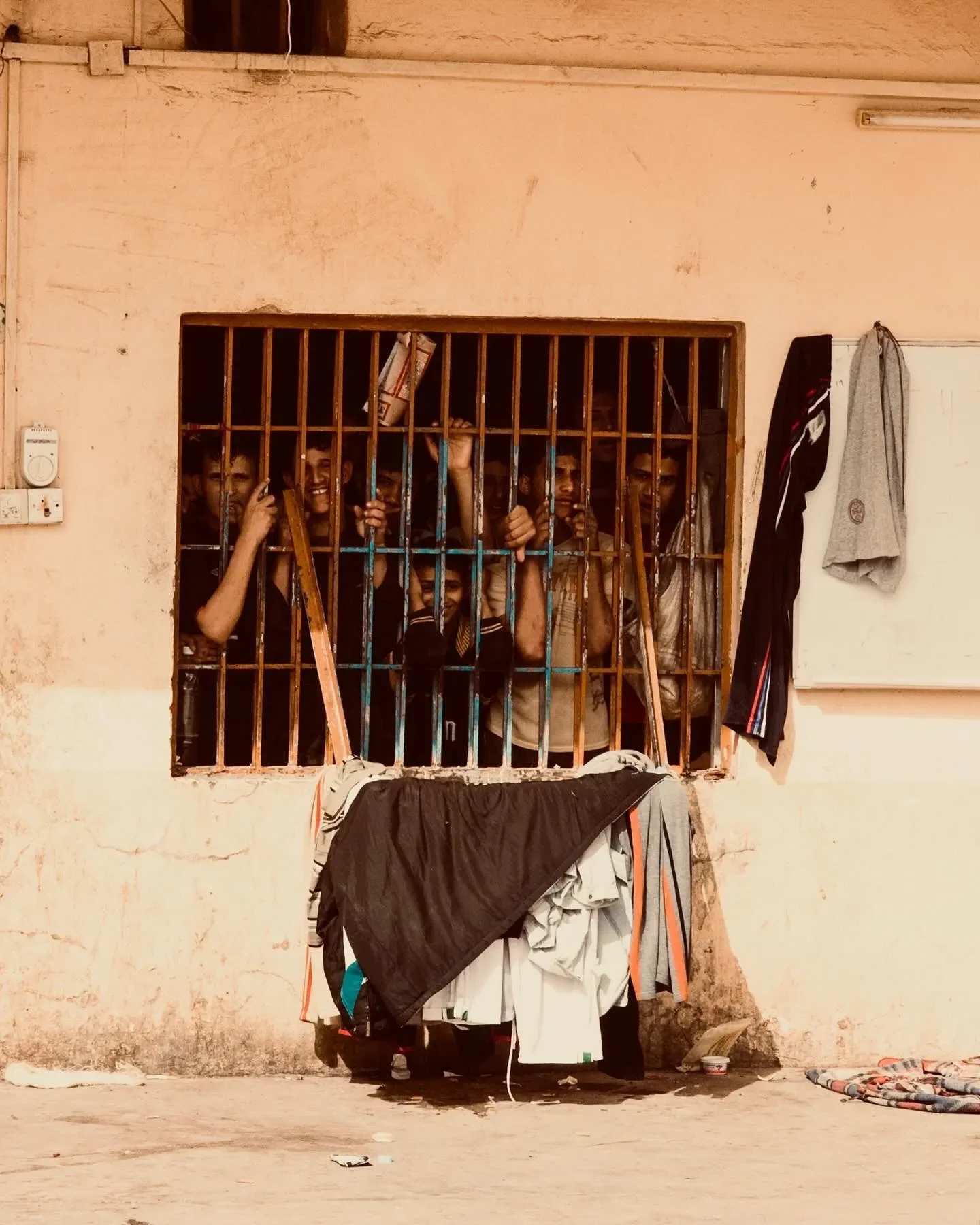
They walked us through their routines. Counts. Cells. Procedures. The doors opened and closed with a rhythm that felt practiced and final. The Iraqi guards explained how things worked, almost formally, as if structure alone could justify permanence.
It felt like they wanted us to see it. Not to approve it just to understand it.
I kept thinking about how many of these men would never leave. How this wasn’t a pause in their lives, but the remainder of them. That freedom wasn’t delayed it was already gone.
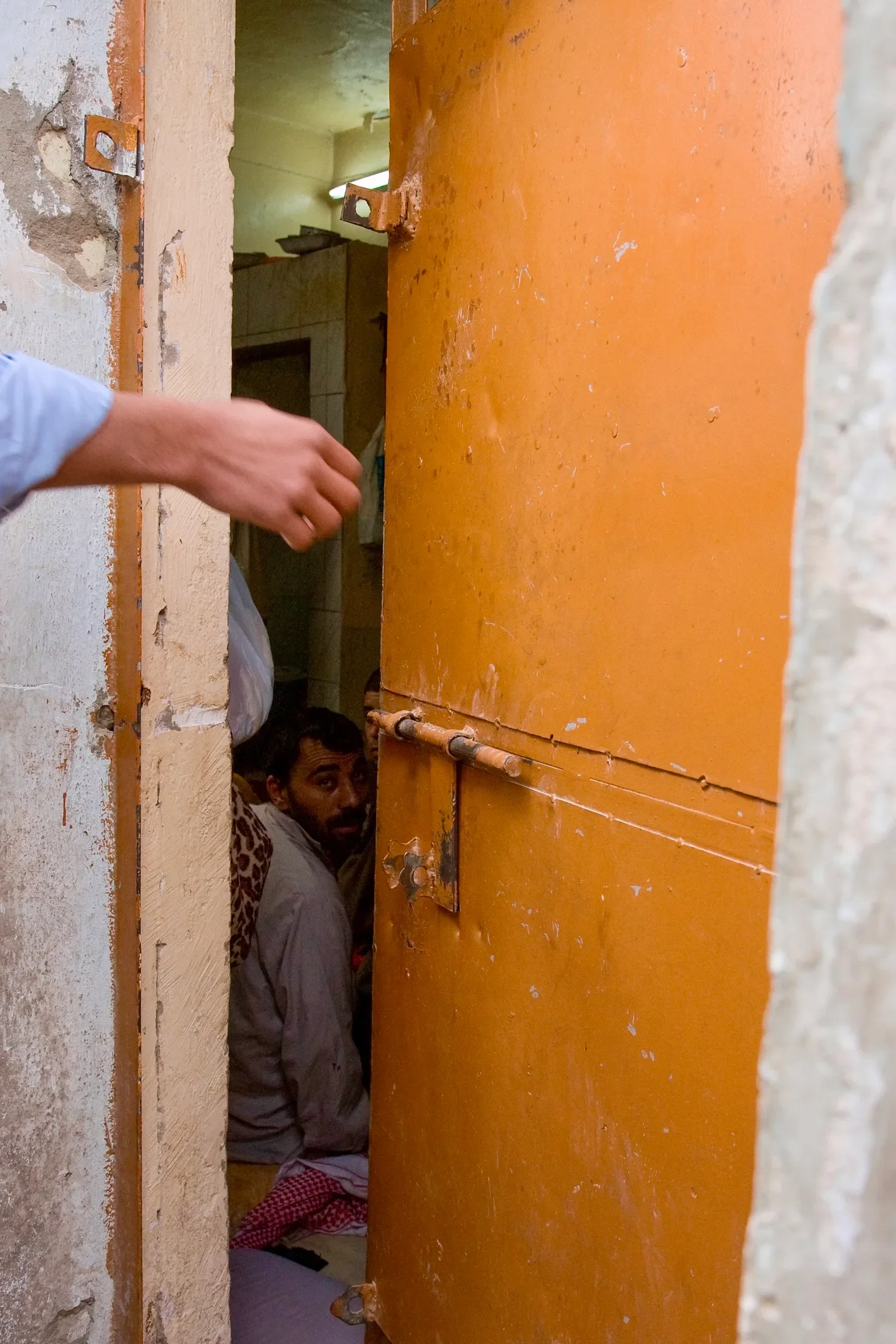
I left knowing that some places aren’t meant to be passed through. They’re meant to contain. To hold time still. And once you’re inside, the world doesn’t come back for you.